
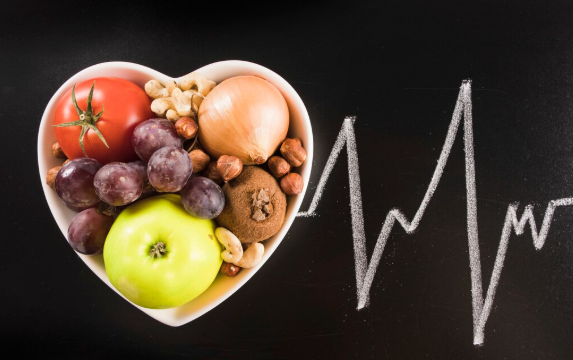
Choosing the best food for heart health is one of the simplest ways to build a healthier eating pattern. A heart-healthy diet is not about relying on one special food or following a restrictive diet. Instead, it focuses on eating a variety of vegetables, fruits, whole grains, beans, legumes, nuts, seeds, fish, and other nutritious foods while limiting excess sodium, added sugars, saturated fat, and highly processed foods.
The American Heart Association’s updated 2026 dietary guidance emphasizes an overall heart-healthy eating pattern rather than individual foods. Its recommendations include eating plenty of vegetables and fruits, choosing whole grains, selecting healthy protein sources, replacing saturated fats with unsaturated fats, minimizing highly processed foods, reducing added sugars and sodium, and maintaining an appropriate balance between food intake and physical activity.
Whether you are planning everyday meals, improving your diet after a health checkup, or simply looking for nutritious choices, understanding the best food for heart health can make grocery shopping and meal planning easier.
What Makes a Food Heart-Healthy?
Heart-healthy foods generally provide important nutrients while helping you reduce foods and ingredients associated with cardiovascular risk.
A heart-supportive eating pattern commonly emphasizes:
- Vegetables and fruits
- Whole grains
- Beans and legumes
- Nuts and seeds
- Fish and seafood
- Lean sources of protein
- Low-fat or fat-free dairy where appropriate
- Unsaturated plant oils
- Minimally processed foods
At the same time, it is helpful to reduce foods high in saturated fat, sodium, added sugars, and highly processed ingredients. The CDC similarly recommends eating plenty of fruits and vegetables and fewer processed foods as part of heart disease prevention.
1. Leafy Green Vegetables
Leafy greens are among the most useful foods to include in a heart-conscious diet.
Examples include:
- Spinach
- Kale
- Swiss chard
- Collard greens
- Romaine lettuce
- Mustard greens
They can be added to salads, soups, vegetable dishes, sandwiches, smoothies, and cooked meals.
Rather than focusing on one vegetable as a “miracle food,” aim for variety. Different vegetables provide different combinations of fiber, vitamins, minerals, and other beneficial nutrients.
The American Heart Association recommends eating a wide variety of vegetables as part of a heart-healthy dietary pattern.
2. Berries and Other Fruits
Fruit is another important part of a heart-healthy eating pattern.
Good choices include:
- Blueberries
- Strawberries
- Raspberries
- Blackberries
- Apples
- Oranges
- Pears
- Bananas
- Guava
- Papaya
Whole fruit is generally preferable to sugary fruit drinks because it provides fiber and requires more chewing.
Fresh fruit is convenient, but frozen fruit without added sugar can also be useful. Canned fruit can fit into a healthy diet when you choose options without added sugar.
The CDC recommends a healthy eating pattern that includes a variety of fruits and vegetables.
3. Oatmeal and Other Whole Grains
Whole grains are an important source of dietary fiber and can be a useful replacement for refined grains.
Heart-friendly whole-grain choices include:
- Oatmeal
- Brown rice
- Barley
- Quinoa
- Whole-wheat bread
- Whole-grain pasta
- Whole-grain cereals
- Millets
Oats are particularly convenient for breakfast. You can combine them with berries, bananas, nuts, seeds, or unsweetened yogurt.
The American Heart Association recommends choosing foods made mostly with whole grains rather than refined grains. Whole grains also provide dietary fiber.
4. Beans and Lentils
Beans and lentils are excellent sources of plant-based protein and fiber.
Examples include:
- Black beans
- Kidney beans
- Chickpeas
- Lentils
- Pinto beans
- Green peas
- Soybeans
For Indian meals, options such as dal, rajma, chana, and other legumes can fit naturally into a heart-conscious diet.
Beans can be added to soups, salads, curries, wraps, grain bowls, and vegetable dishes.
The American Heart Association highlights beans, peas, lentils, and other legumes as healthy protein choices.
When using canned beans, look for low-sodium or no-salt-added varieties, or rinse them before eating.
5. Fatty Fish
Fish can be an excellent protein choice, particularly fatty fish that provide omega-3 fatty acids.
Examples include:
- Salmon
- Mackerel
- Sardines
- Trout
- Herring
- Tuna
The American Heart Association recommends fish as part of a heart-healthy eating pattern, and its consumer guidance identifies fatty fish as a source of omega-3 fats.
Try preparing fish by baking, grilling, steaming, or roasting rather than deep-frying it.
6. Nuts and Seeds
Nuts and seeds provide healthy fats, protein, fiber, and other nutrients.
Good choices include:
- Almonds
- Walnuts
- Pistachios
- Pecans
- Chia seeds
- Flaxseeds
- Pumpkin seeds
- Sunflower seeds
Choose unsalted or lightly salted varieties when possible.
Because nuts and seeds are energy-dense, portions matter. A small serving can be added to oatmeal, yogurt, salads, vegetables, or whole-grain meals.
The American Heart Association identifies nuts and seeds as sources of healthy fats and nutrients that can support heart and overall health.
7. Avocados
Avocados provide mostly unsaturated fats and can be used in place of foods higher in saturated fat.
You can add avocado to:
- Whole-grain toast
- Salads
- Grain bowls
- Sandwiches
- Vegetable wraps
The goal is not simply to add more fat to your diet, but to use foods containing unsaturated fats as alternatives to foods high in saturated fats.
The American Heart Association recommends replacing saturated fats with unsaturated fats as part of a heart-healthy dietary pattern.
8. Olive and Other Liquid Plant Oils
Cooking oils can make a difference in the overall quality of your diet.
Heart-conscious options include liquid plant oils such as:
- Olive oil
- Canola oil
- Sunflower oil
- Soybean oil
- Safflower oil
The American Heart Association recommends unsaturated plant oils instead of solid fats and tropical oils that are higher in saturated fat.
Using a healthier oil does not mean unlimited amounts are appropriate. Portion size still matters.
9. Low-Fat or Fat-Free Dairy
Dairy products can provide protein and important nutrients.
Depending on your dietary needs, options can include:
- Low-fat milk
- Fat-free milk
- Plain low-fat yogurt
- Low-fat cottage cheese
- Reduced-fat cheese
Choose products without excessive added sugar when possible.
The American Heart Association includes low-fat and fat-free dairy products among foods that can fit within a heart-healthy dietary pattern.
10. Lean Poultry and Other Healthy Proteins
Protein is an important part of a balanced diet.
If you eat meat, options can include:
- Skinless chicken
- Turkey
- Lean cuts of meat
Other protein choices include fish, eggs, beans, lentils, tofu, nuts, and seeds.
The American Heart Association recommends choosing healthy sources of protein and emphasizes plant proteins and fish while advising people to limit processed meats.
Foods to Limit for Better Heart Health
Knowing what to limit is just as important as knowing the best food for heart health.
Processed Meats
Foods such as bacon, sausage, hot dogs, and some deli meats can be high in sodium and saturated fat.
Consider replacing processed meats with beans, fish, poultry, or other less processed protein sources.
Foods High in Saturated Fat
Large amounts of saturated fat can make it more difficult to maintain a heart-healthy dietary pattern.
Common sources include:
- Fatty meats
- Butter
- Full-fat dairy
- Certain processed foods
- Some tropical oils
The American Heart Association recommends replacing saturated fats with unsaturated fats.
Highly Processed Foods
Highly processed foods can contain substantial amounts of sodium, added sugars, saturated fat, or refined carbohydrates.
The 2026 AHA dietary guidance recommends choosing minimally processed foods instead of highly processed foods as part of a heart-healthy pattern.
Sugary Drinks
Soda, sweetened tea, energy drinks, and other sugar-sweetened beverages can add substantial amounts of added sugar.
Water is generally a simple alternative. Unsweetened tea and coffee can also fit into a healthy eating pattern for many adults.
Excess Sodium
Too much sodium can contribute to higher blood pressure.
Reduce sodium by:
- Cooking more meals at home
- Choosing low-sodium packaged foods
- Comparing nutrition labels
- Using herbs and spices instead of excess salt
- Limiting salty snacks and processed foods
The CDC notes that limiting dietary sodium can help lower blood pressure.
Best Food for Heart Health: A Simple Daily Meal Plan
A heart-conscious day of eating could look like this:
Breakfast
- Oatmeal
- Fresh berries or banana
- Walnuts
- Plain yogurt or unsweetened milk
Lunch
- Lentil or bean dish
- Large vegetable salad
- Brown rice or whole-grain roti
- Plain yogurt
Snack
- Apple or another whole fruit
- Small handful of unsalted nuts
Dinner
- Grilled or baked fish, tofu, beans, or skinless poultry
- Cooked vegetables
- Brown rice, quinoa, or another whole grain
Beverage
- Water
- Unsweetened tea
- Unsweetened coffee, if desired
This is only an example. A healthy eating pattern should reflect individual nutritional needs, cultural preferences, food availability, allergies, medical conditions, and dietary preferences.
How to Make Your Diet More Heart-Friendly
You do not need to completely change your diet overnight.
Try small substitutions:
Instead of butter: use a suitable liquid plant oil.
Instead of refined bread: choose whole-grain bread.
Instead of processed meat: try beans, lentils, fish, or skinless poultry.
Instead of sugary drinks: choose water or an unsweetened beverage.
Instead of salty snacks: choose unsalted nuts or fresh fruit.
Instead of deep-fried food: try baked, grilled, steamed, or roasted options.
The CDC recommends emphasizing vegetables, fruits, whole grains, healthy fats, and nutritious protein sources while limiting sodium, added sugars, saturated fats, and highly processed foods.
Reading Food Labels for Heart Health
Packaged foods can vary considerably, so reading nutrition labels can help you make better choices.
When comparing products, look at:
- Sodium
- Saturated fat
- Trans fat
- Added sugars
- Fiber
- Serving size
- Ingredient list
The American Heart Association recommends comparing nutrition labels and choosing foods with less sodium, saturated fat, and added sugar when possible.
Remember that a food does not have to be labeled “heart healthy” to be part of a balanced diet.
Does One Food Protect the Heart?
No single food can guarantee protection against heart disease.
The most important concept is an overall dietary pattern. The AHA’s 2026 guidance specifically emphasizes patterns rather than individual foods and recommends maintaining heart-healthy eating habits across the life course.
That means eating vegetables once does not compensate for an otherwise unhealthy diet, just as enjoying an occasional less nutritious food does not automatically make an overall healthy diet unhealthy.
Consistency matters.
Conclusion
Finding the best food for heart health does not require an expensive or complicated diet. Some of the most useful choices are everyday foods such as vegetables, fruits, oats and other whole grains, beans, lentils, nuts, seeds, fish, low-fat dairy, and foods containing unsaturated fats.
At the same time, it is helpful to limit highly processed foods, processed meats, excess sodium, added sugars, and foods high in saturated fat.
The American Heart Association’s 2026 dietary guidance emphasizes a broad heart-healthy eating pattern built around vegetables and fruits, whole grains, healthy protein, unsaturated fats, minimally processed foods, and lower amounts of sodium and added sugar.
A healthy diet is one part of cardiovascular health. Blood pressure, cholesterol, blood sugar, physical activity, sleep, smoking, alcohol use, body weight, and other factors also matter. The CDC recommends combining healthy eating with other healthy habits to reduce heart disease risk.
If you have heart disease, kidney disease, diabetes, or another medical condition that affects your diet, speak with your doctor or a registered dietitian about an eating plan appropriate for you.
FAQs About the Best Food for Heart Health
1. What is the best food for heart health?
There is no single best food. A heart-healthy diet emphasizes a variety of vegetables, fruits, whole grains, beans, legumes, nuts, seeds, fish, healthy plant oils, and other nutritious foods.
2. Are fruits good for heart health?
Yes. Fruits can be an important part of a heart-healthy eating pattern because they provide fiber and other nutrients. Choose a variety of whole fruits and limit fruit products with added sugars.
3. Is oatmeal good for the heart?
Oatmeal can be a heart-friendly whole-grain choice. Whole grains provide dietary fiber and are recommended as part of an overall heart-healthy dietary pattern.
4. Are nuts good for heart health?
Unsalted nuts such as almonds, walnuts, pistachios, and pecans can fit into a heart-healthy diet. They provide healthy fats, protein, fiber, and other nutrients.
5. What foods should I avoid for heart health?
Rather than focusing on an absolute list of forbidden foods, limit foods high in saturated fat, excess sodium, added sugars, processed meats, and highly processed ingredients.
6. Is fish good for heart health?
Fish can be an excellent protein choice. Fatty fish such as salmon, mackerel, sardines, trout, and herring provide omega-3 fatty acids and can fit into a heart-healthy dietary pattern.
7. Are beans good for the heart?
Yes. Beans, lentils, chickpeas, peas, and other legumes provide plant-based protein and fiber and are recommended as healthy protein choices.
8. What should I drink for better heart health?
Water is a simple choice. Unsweetened tea and coffee can also fit into a healthy eating pattern for many people. Limiting sugar-sweetened drinks is recommended.
9. Can I eat eggs on a heart-healthy diet?
Eggs can provide protein and nutrients and may fit into an overall balanced eating pattern. What matters is the overall diet and the other foods eaten with them. People with specific medical conditions should discuss dietary choices with their healthcare professional.
10. How can I start eating for better heart health?
Start with small changes: add more vegetables and fruit, replace refined grains with whole grains, choose beans or fish more often, use unsaturated plant oils instead of saturated fats, reduce sodium and added sugars, and choose minimally processed foods more often.
| Read More: Understanding an Agfa CR System |
