
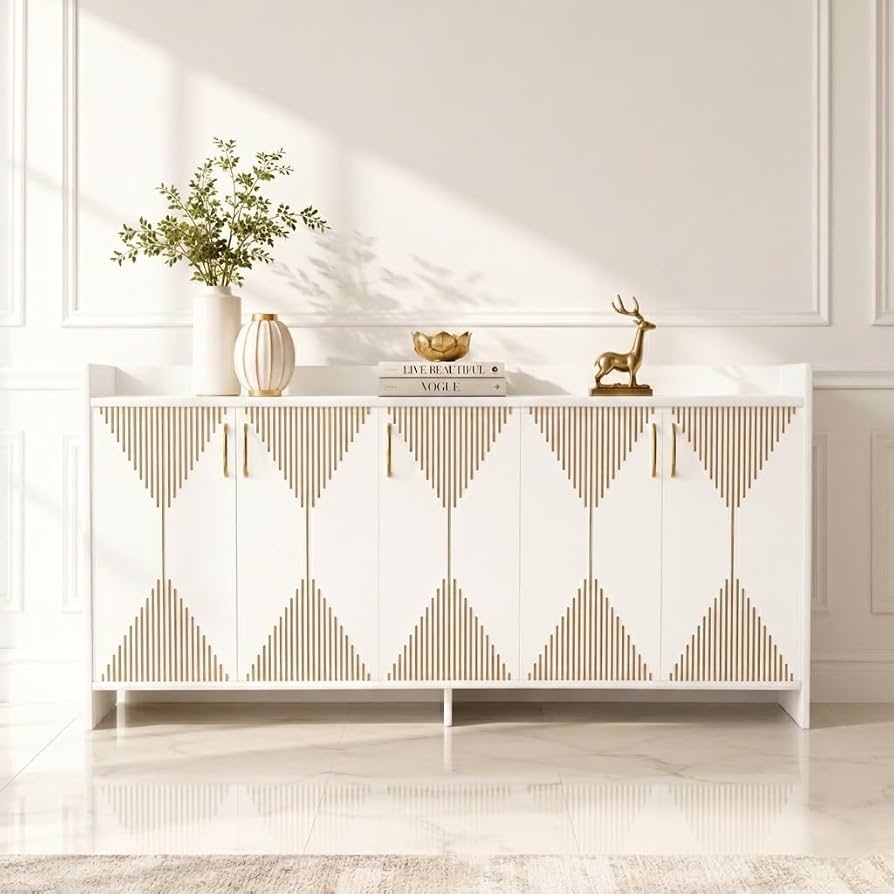
Sideboard Mid Century Style: A Timeless Guide to Choosing the Right Design
A sideboard mid century style is a practical and stylish furniture piece that can add warmth, character, and storage to almost any room. Inspired by the design movement that became popular during the mid-20th century, mid century sideboards are known for their clean lines, natural wood finishes, tapered legs, simple shapes, and functional layouts. Unlike bulky traditional storage furniture, a mid century sideboard usually has a streamlined appearance that works well in both classic and contemporary interiors. It can be placed in a dining room, living room, hallway, bedroom, or home office, providing useful storage without making the space feel crowded. Whether you are furnishing a new home or updating an existing interior, understanding the characteristics of mid century design can help you choose a sideboard that looks beautiful while meeting your storage needs. What Is a Sideboard Mid Century Style? A sideboard mid century style is a storage cabinet influenced by mid century modern furniture design. The style emphasizes simplicity, functionality, natural materials, and balanced proportions. Most mid century sideboards feature a long, relatively low profile. They may include cabinets, drawers, sliding doors, or a combination of storage compartments. The furniture is designed to provide practical storage while maintaining a clean and uncluttered appearance. Origins of Mid Century Furniture Mid century design became widely recognized during the middle decades of the 20th century. Designers focused on creating furniture that was functional, visually simple, and suitable for modern homes. The result was furniture with fewer decorative elements and greater emphasis on shape, proportion, materials, and usability. Sideboards became an important part of this approach because they provided storage without requiring excessive visual bulk. Characteristics of Mid Century Sideboards Common characteristics include: These features give the furniture its distinctive appearance while making it easy to combine with different interior styles. Why Choose a Mid Century Style Sideboard? A mid century sideboard can offer more than attractive design. It can become an important functional element in a room by providing concealed storage and a surface for displaying decorative objects. Timeless Appearance One of the biggest advantages of mid century furniture is its enduring visual appeal. The simple design does not rely heavily on complicated ornamentation or short-lived trends. A well-designed sideboard can therefore complement a room for many years while adapting to changes in décor. Practical Storage A sideboard provides an easy way to organize household items. Depending on the design, you can store dining accessories, table linens, books, electronics, serving dishes, office supplies, or other everyday belongings. Closed storage also helps keep the room looking organized and uncluttered. Versatile Placement A mid century sideboard does not have to remain in the dining room. Its clean shape makes it suitable for many areas of the home. It can work as a dining room cabinet, living room storage unit, hallway console, bedroom dresser, or media cabinet, depending on its dimensions and configuration. Key Features of a Sideboard Mid Century Style When shopping for a sideboard mid century style, look beyond the overall appearance and consider the details that create the characteristic design. Natural Wood Finishes Wood is one of the most recognizable materials associated with mid century furniture. Walnut, teak, oak, and other warm-toned woods can create a natural and inviting appearance. Wood grain is often allowed to remain visible rather than being hidden beneath heavy decorative finishes. Tapered Legs Tapered legs are another signature feature. The legs generally become narrower toward the floor, giving the sideboard a lighter visual appearance. This detail can make a substantial storage cabinet appear less bulky, particularly in smaller rooms. Minimal Hardware Mid century furniture often uses simple hardware. Small pulls, recessed handles, wooden knobs, or streamlined metal hardware can complement the clean lines of the cabinet. The hardware should support the design rather than become the main visual feature. Sliding Doors and Drawers Many mid century sideboards combine drawers with sliding cabinet doors. Sliding doors can be especially useful because they do not require additional space to open outward. Different storage configurations allow you to choose a sideboard based on what you need to keep inside. How to Choose the Right Size Sideboard Size is one of the most important considerations when purchasing furniture. A sideboard should provide enough storage without overwhelming the room. Measure the Available Space Before buying a sideboard, measure the wall where you plan to place it. Record the available width, height, and depth. Remember to consider doors, windows, electrical outlets, baseboards, and other furniture nearby. Consider the Room Proportion A very large sideboard can make a small room feel crowded, while a tiny cabinet may look lost against a large wall. For a balanced appearance, consider the scale of the sideboard in relation to nearby furniture such as dining tables, sofas, chairs, and shelving. Allow Enough Walking Space A sideboard should not obstruct natural walking paths. Leave sufficient space between the cabinet and other furniture so doors and drawers can be opened comfortably. This is particularly important in dining rooms, where chairs may already occupy significant floor space. Sideboard Mid Century Style for the Dining Room The dining room is one of the most traditional locations for a sideboard. It provides convenient storage for dishes, glassware, table linens, serving pieces, and other dining essentials. Creating a Functional Dining Area Positioning a sideboard against a wall can free up cabinet space in the kitchen while keeping dining items close to the table. The top surface can also be used for decorative displays, serving food during gatherings, or placing lamps and artwork. Decorating a Dining Room Sideboard Keep the decoration balanced. A large mirror, framed artwork, vase, table lamp, or small collection of decorative objects can create an attractive focal point. Avoid covering the entire surface with accessories. The clean lines of mid century furniture often look best when the top remains relatively uncluttered. Mid Century Sideboards for Living Rooms A sideboard can also be a useful addition to a living room. It provides concealed storage while creating a surface for decorative
