

What is gut health is a common question for people who want to improve digestion, support their immune system, and maintain overall wellness. Gut health refers to the condition and functioning of the digestive system, particularly the gastrointestinal tract and the community of microorganisms living inside it, known as the gut microbiome.
A healthy gut helps the body digest food, absorb nutrients, eliminate waste, and maintain a balanced relationship with beneficial and potentially harmful microorganisms. It also communicates with other body systems, including the immune system and the nervous system.
Gut health is influenced by many factors, including diet, hydration, physical activity, sleep, stress, medications, and existing medical conditions. Although there is no single food or supplement that guarantees a healthy gut, consistent lifestyle habits can support normal digestive function.
Understanding gut health can help you recognize common digestive symptoms, make better food choices, and know when professional medical advice is necessary.
What Is Gut Health?
Gut health describes how well the digestive system functions and how effectively it performs its essential tasks. These include breaking down food, absorbing nutrients, moving waste through the intestines, and maintaining the intestinal lining.
The gut contains trillions of microorganisms, including bacteria, fungi, and other microbes. Together, these organisms form the gut microbiome. Some microorganisms help break down dietary fiber, produce useful substances, and support the body’s natural defenses.
A healthy gut does not mean that every microorganism is beneficial or that digestive symptoms will never occur. Instead, it involves a functioning digestive system, an appropriate intestinal barrier, and a microbial community that supports normal body processes.
Main Parts of the Digestive System
- Stomach: Breaks down food using digestive acids and enzymes.
- Small intestine: Absorbs most nutrients from digested food.
- Large intestine: Absorbs water and helps process remaining material with the assistance of gut microorganisms.
- Intestinal lining: Acts as a barrier between the contents of the gut and the rest of the body.
- Gut microbiome: Helps process certain foods and supports several digestive and immune functions.
These parts work together to help the body obtain nutrients and remove waste efficiently.
Why Is Gut Health Important?
Gut health matters because digestion affects more than just the stomach. The digestive system contributes to nutrient absorption, immune function, and communication between the gut and other organs.
1. Supports Digestion
The digestive system breaks food into smaller components that the body can absorb and use. When digestion functions normally, the body can obtain energy, vitamins, minerals, fats, proteins, and carbohydrates from food.
Persistent digestive symptoms, however, may indicate a food intolerance, infection, medication effect, or another health condition.
2. Helps Support the Immune System

The gut contains immune cells and protective barriers that help the body respond to microorganisms and other substances. Gut microbes also interact with the immune system.
A balanced diet and healthy lifestyle can support these normal functions, although no particular food or supplement can guarantee immunity from illness.
3. Helps Process Dietary Fiber
Certain gut bacteria break down fiber that the human digestive system cannot fully digest on its own. This process produces short-chain fatty acids, which help support the intestinal environment and perform other functions in the body.
Foods such as beans, lentils, oats, vegetables, fruits, nuts, and seeds provide fiber that can support these processes.
4. Influences Bowel Regularity
Adequate fiber, sufficient fluids, and regular physical activity can help many people maintain normal bowel movements.
Changes in bowel habits can also result from medications, stress, infections, food intolerances, or medical conditions, so persistent changes should not automatically be attributed to poor gut health.
5. Communicates With the Brain
The gut and brain communicate through nerves, hormones, immune pathways, and microbial metabolites. This is commonly called the gut-brain axis.
Stress and anxiety can influence digestive symptoms, while ongoing digestive problems can affect mood and quality of life. However, gut health is only one part of mental and emotional well-being.
Signs of a Healthy Gut
There is no single symptom or test that proves someone has a healthy gut. Nevertheless, certain everyday patterns can suggest that digestion is functioning normally.
Common signs include:
- Bowel movements that are reasonably regular for the individual.
- Stools that pass without excessive straining.
- No persistent abdominal pain or severe bloating.
- The ability to eat a varied diet without frequent digestive discomfort.
- No ongoing diarrhea or unexplained constipation.
- Normal appetite and the ability to maintain adequate nutrition.
Bowel habits differ between people. For example, some healthy adults have bowel movements several times a day, while others have them less frequently. What matters is the person’s usual pattern and whether there are concerning changes.
Signs of an Unhealthy Gut
Digestive symptoms may suggest that something needs attention, but they do not automatically mean the gut microbiome is unhealthy.
Common Digestive Symptoms
Frequent bloating: Gas, constipation, food intolerance, and other conditions can cause abdominal fullness or swelling.
Constipation: Hard stools, infrequent bowel movements, or difficulty passing stools may be associated with inadequate fiber, dehydration, medications, or underlying conditions.
Diarrhea: Loose or watery stools may result from infections, food reactions, medications, or digestive disorders.
Abdominal discomfort: Recurring cramps or pain may have several causes and should be evaluated if persistent.
Excessive gas: Gas is a normal part of digestion, but major changes or symptoms accompanied by pain may require assessment.
Heartburn or reflux: These symptoms involve stomach contents moving toward the esophagus and are not necessarily signs of a gut microbiome problem.
When to Seek Medical Advice
Consult a healthcare professional if digestive symptoms persist, repeatedly return, or interfere with everyday activities. Seek urgent medical attention for severe abdominal pain, blood in the stool, black tarry stools, persistent vomiting, signs of significant dehydration, or unexplained weight loss.
Foods That Support Gut Health
Diet is one of the most practical ways to support digestive function. A varied eating pattern that includes fiber-rich plant foods can help nourish beneficial gut microorganisms and promote bowel regularity.
| Food group | Examples | Potential digestive benefit |
|---|---|---|
| Whole grains | Oats, whole-wheat bread, brown rice | Provide fiber that supports regular bowel movements |
| Legumes | Lentils, chickpeas, beans | Supply fiber and plant-based protein |
| Fruits | Apples, bananas, berries, oranges | Provide fiber, water, and other nutrients |
| Vegetables | Carrots, spinach, broccoli | Supply fiber and a variety of micronutrients |
| Nuts and seeds | Almonds, chia seeds, flaxseeds | Provide fiber and unsaturated fats |
| Fermented foods | Yogurt with live cultures, kefir, some fermented vegetables | May provide live microorganisms, depending on the product |
| Water | Drinking water throughout the day | Helps support normal digestion and prevent dehydration |
Increase fiber gradually rather than making a sudden, large change. A rapid increase can temporarily cause gas and bloating, particularly for people who are not accustomed to eating much fiber.
Some people with irritable bowel syndrome or other digestive conditions may need individualized dietary advice because particular high-fiber or fermentable foods can worsen symptoms.
What Are Probiotics and Prebiotics?
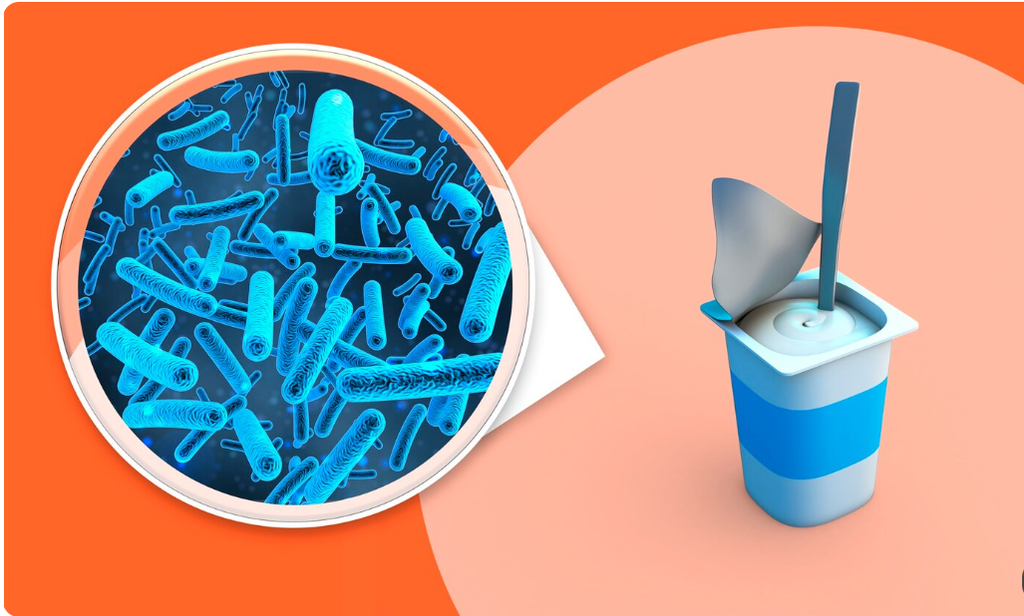
Probiotics and prebiotics are often discussed in relation to gut health, but they have different functions.
Probiotics
Probiotics are live microorganisms that provide a health benefit when consumed in adequate amounts. Some specific strains have evidence supporting particular uses, but not all probiotic products have the same effects.
Yogurt containing live cultures and certain other fermented foods may provide beneficial microorganisms. Probiotic supplements may be useful for selected conditions, but their benefits depend on the strain, dose, and reason for use.
Prebiotics
Prebiotics are substances, often specific types of dietary fiber, that beneficial microorganisms can use. Foods containing prebiotic fibers include onions, garlic, oats, legumes, and some other plant foods.
Eating a variety of fiber-rich foods is a practical way to support the gut microbiome without relying on expensive supplements.
| Feature | Probiotics | Prebiotics |
|---|---|---|
| What they are | Live microorganisms with demonstrated health benefits | Substances used by certain beneficial microorganisms |
| Common sources | Some yogurts, selected fermented foods, supplements | Oats, onions, garlic, legumes, and other plant foods |
| Main consideration | Benefits depend on the specific strain and condition | Tolerance depends on the type and amount of fiber |
Neither probiotics nor prebiotics are a universal cure for digestive problems.
Daily Habits That Improve Gut Health Naturally
Gut health depends on more than diet. Several everyday habits can help maintain normal digestive function.
1. Eat a Variety of Plant Foods
Try to include different fruits, vegetables, legumes, whole grains, nuts, and seeds across the week. Different plant foods provide different fibers and nutrients, supporting a varied diet.
You do not need to change your entire diet overnight. Start by adding a serving of vegetables to a meal or replacing some refined grains with whole grains.
2. Drink Enough Water
Adequate fluid intake helps the body function normally and can make stools easier to pass, particularly when fiber intake increases.
Fluid needs vary according to weather, activity level, health conditions, and medications. People with medical conditions that require fluid restrictions should follow their clinician’s advice.
3. Exercise Regularly
Walking, cycling, swimming, and other forms of physical activity support general health and may help bowel regularity.
Even a daily walk can be a useful starting point for people who spend much of the day sitting.
4. Get Consistent Sleep
Regular, sufficient sleep supports overall health and may help maintain healthy daily routines. Poor sleep can also affect stress levels and the experience of digestive symptoms.
Aim for a consistent sleep schedule and reduce habits that interfere with restful sleep.
5. Manage Stress
Stress can influence gut movement and sensitivity, potentially worsening symptoms such as abdominal discomfort or changes in bowel habits.
Relaxation techniques, breathing exercises, physical activity, and adequate rest may help manage stress. Persistent digestive symptoms should still be medically evaluated rather than assumed to be caused by stress alone.
6. Use Antibiotics Responsibly
Antibiotics can affect gut microorganisms, but they are important medicines when prescribed for appropriate bacterial infections.
Do not take leftover antibiotics or use them without medical advice. Follow the prescribing clinician’s instructions and ask about possible side effects if digestive symptoms develop.
Common Gut Health Myths
Online information about gut health can be confusing. Understanding a few common misconceptions can help people make safer decisions.
Myth 1: Everyone needs a probiotic supplement.
Not necessarily. Many people can support digestive health through a varied diet. Supplements are not required for everyone, and evidence differs by product and condition.
Myth 2: Bloating always means poor gut health.
No. Bloating can occur after normal digestion or result from constipation, food intolerance, irritable bowel syndrome, and other causes. Persistent or severe symptoms deserve attention.
Myth 3: A gut detox removes harmful toxins.
Commercial detox products are not necessary for routine digestive health. The liver, kidneys, and digestive system already perform essential processes involved in processing and eliminating waste.
Myth 4: All fermented foods are probiotics.
Not always. Some fermented foods contain live microorganisms, while others may be heated or processed in ways that reduce or eliminate them. The presence of live microbes alone does not guarantee a proven health benefit.
Myth 5: One food can repair the gut.
No single food can solve every digestive problem. A balanced eating pattern, suitable lifestyle habits, and appropriate medical care are more reliable approaches.
How to Build a Gut-Friendly Daily Routine

A simple routine can make healthy habits easier to maintain.
- Breakfast: Choose oats, fruit, or whole-grain foods, adjusting the meal to your tolerance.
- Lunch: Include vegetables, a source of protein, and a fiber-rich grain or legume.
- Throughout the day: Drink water regularly and move around instead of sitting continuously.
- Dinner: Aim for a balanced meal with vegetables and suitable protein sources.
- Evening: Maintain a regular bedtime and use relaxing activities to manage stress.
- Over time: Increase dietary variety gradually and pay attention to persistent symptoms.
People with diagnosed digestive conditions may need a different approach. A registered dietitian or healthcare professional can help identify suitable foods without unnecessarily restricting the diet.
Conclusion
Gut health refers to the normal functioning of the digestive system and its relationship with the microorganisms living in the gastrointestinal tract. It plays an important role in digestion, nutrient absorption, bowel regularity, and interactions with the immune and nervous systems.
A practical approach to supporting gut health includes eating a varied, fiber-rich diet, drinking adequate fluids, exercising regularly, sleeping well, managing stress, and using medicines responsibly. Probiotics and prebiotics may have a role in selected circumstances, but no supplement or single food guarantees a healthy gut.
If symptoms are persistent, severe, or unusual, seek professional medical advice instead of relying only on dietary changes or online remedies.
Frequently Asked Questions
1. What is gut health in simple words?
Gut health refers to how well your digestive system works and how the microorganisms in your intestines interact with your body. It includes digestion, nutrient absorption, bowel function, and the intestinal barrier.
2. What are the signs of poor gut health?
Possible signs include recurring bloating, constipation, diarrhea, abdominal discomfort, or persistent changes in bowel habits. These symptoms can have many causes and do not automatically indicate a microbiome problem.
3. Which foods are best for gut health?
Fiber-rich foods such as oats, lentils, beans, vegetables, fruits, nuts, and seeds can support digestion. Yogurt with live cultures and selected fermented foods may also be useful for some people.
4. How can I improve gut health naturally?
Eat a varied diet, increase fiber gradually, drink enough water, exercise regularly, get adequate sleep, manage stress, and avoid unnecessary antibiotic use. Seek medical advice if digestive symptoms continue.
5. Do I need probiotics for a healthy gut?
Not everyone needs probiotic supplements. Their effects depend on the particular microorganism, product, and health condition. A balanced diet is a useful foundation, and a healthcare professional can advise whether a probiotic is appropriate for your situation.
| Read more: Fitness 19 Cancel Membership: A Complete |
