
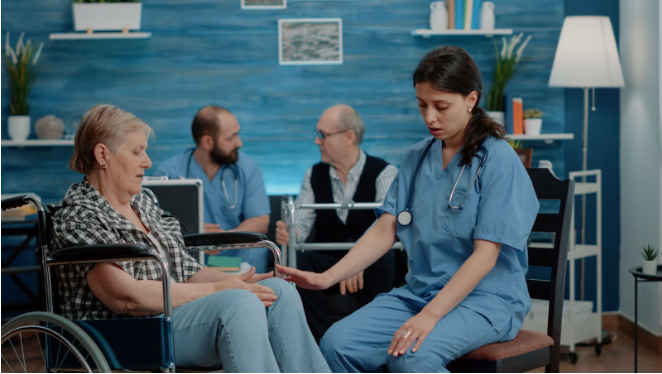
When people get older or have certain health issues, it is necessary to determine the appropriate level of care. Most families find it hard to decide between assisted living and in-home caregiver services. Caregiver services combined with assisted living placement, however, are a balanced and efficient solution. This model offers an individualized care plan and access to professional care and a safe environment. By knowing the merits of this combination, families can make sound and decisive choices.
1. Personalized Care with Professional Support
Personal care is one of the greatest benefits of integrating caregiver services with assisted living. Although assisted living facilities offer organized assistance, caregivers deliver individualized care based on the needs of the person. This will take care of the daily routine of bathing, dressing, and medication management of residents. Individualized care promotes comfort and assists people to sustain dignity and independence.
2. Enhanced Safety and Supervision
The assisted living placement is safety-oriented. These are emergency response systems, safe layouts, and 24-hour trained personnel. Residents are under continuous supervision when they are combined with personal caregiver support. Health changes can be monitored, and emergency responses can be made fast. This type of care can greatly minimize the number of accidents and health complications.
3. Improved Health Monitoring and Medical Support
Caregivers collaborate closely with assisted living staff in observing the health condition of residents. They note daily habits, eating patterns, and physical or emotional issues. This regular check-up will identify health problems at an early stage. Early access to healthcare specialists results in improved health outcomes and reduces unnecessary trips to hospitals.
4. Emotional Support and Companionship
Among the elderly, loneliness is a typical issue. Assisted living offers social interaction; however, one-on-one companionship by a caregiver offers emotional solace. Nurses develop good rapport with the residents and provide talk, encouragement, and emotional support. This is a personal relationship that minimizes feelings of loneliness and enhances mental health in general.
5. Customized Daily Routines and Flexibility
Habits and preferences are not the same with everyone. With assisted living combined with caregiver services, residents can keep up their personal routines and obtain the needed support. Caregivers assist the residents in keeping to well-known routines, be it meals, activities, or sleeping schedules. The flexibility encourages autonomy and maintains a normalcy.
6. Support for Families and Loved Ones
Caring for aging individuals may be stressful to families. Professional caregiving combined with assisted living alleviates this burden. The families can trust that their loved ones are safe, comfortable, and well taken care of. This setup enables family members to spend quality time as opposed to their day-to-day caregiving duties.
7. Improved Quality of Life
A combination of individualized care and formal assistance results in increased quality of life. It provides residents with social activities, professional care, and emotional support in a safe environment. Having fewer concerns with day-to-day activities, they may enjoy their lives and remain active. This integrated approach creates a supportive environment where individuals can thrive with confidence and care.
