
Feel the difference

Book Visit With Us!

Edit Template

Choosing Digital X-Ray Technology for Faster, Smarter Patient Care Now

Modern healthcare facilities need imaging technology that supports quick examinations, reliable image quality, and efficient patient care. Digital radiography has become an important part of this transition. Technologies such as an Agfa CR system, DR x ray machine, and mobile DR system can help imaging departments improve workflow while adapting to different clinical requirements. The right system depends on factors such as patient volume, available space, existing infrastructure, examination types, and the need for bedside imaging. Understanding how these technologies work can help healthcare providers make a more informed decision. Understanding an Agfa CR System An Agfa CR system uses computed radiography technology to convert X-ray information captured on imaging plates into digital images. It can be particularly useful for facilities looking to move from conventional radiography toward a digital workflow without completely replacing existing X-ray equipment. A modern Agfa CR system can support general radiography applications while offering features designed to simplify image processing and improve workflow. Compact CR systems can also be suitable for smaller clinics, rural healthcare facilities, and other locations with limited space. Where a DR X-Ray Machine Fits In A DR x ray machine uses digital detectors to capture X-ray images directly. This can reduce the number of processing steps involved in image acquisition and support faster examination workflows. For busy hospitals and diagnostic centres, a DR x ray machine can be valuable when higher patient throughput is required. Fixed digital radiography rooms can also include automated positioning, multiple detector configurations, and software-assisted workflow features. These capabilities can help radiographers work more efficiently while maintaining consistent imaging procedures. Why Mobile DR Systems Matter Not every patient can easily travel to an imaging room. Intensive care units, emergency departments, isolation areas, and patient wards may require imaging directly at the bedside. A mobile DR system addresses this requirement by bringing digital X-ray capabilities to the patient. Modern systems are designed for maneuverability and can support wireless detectors, making them practical in areas where space and movement are restricted. A mobile DR system can also contribute to smoother workflows because images can be processed and reviewed without moving the patient unnecessarily. This is especially useful when patients have limited mobility or require continuous clinical monitoring. Making a Practical Investment Before selecting an Agfa CR system, DR x ray machine, or mobile DR system, healthcare providers should consider patient volume, room size, staffing, examination requirements, upgrade possibilities, and long-term operating costs. A technology choice that matches the facility’s actual workflow can deliver more value than simply selecting the most advanced equipment. Conclusion For healthcare providers seeking dependable radiology technology, the right combination of digital imaging, workflow support, mobility, and service can make a meaningful difference. A specialised imaging solutions provider can offer options covering CR, fixed DR, mobile DR, detectors, software, and workstations, allowing facilities to build an imaging setup around their clinical and operational needs.

Everyday Support Essentials: Choosing the Right Aid for Better Comfort

Daily comfort can be affected by lower back strain, abdominal weakness, limited mobility, or difficulty using the bathroom safely. The right support can make routine activities easier, but it should complement healthy movement and professional advice rather than become something a person depends on all day. When a Lumbar Support Belt Can Help A lumbar support belt provides external support around the lower back and waist. It may be useful during activities that make the back feel tired or uncomfortable. It can also help some people feel more secure while moving, especially when recommended by a healthcare professional. It should not replace strengthening exercises or treatment when these are needed. For occasional discomfort, a back belt for pain may offer temporary support during daily activities. It should fit comfortably without being excessively tight. Prolonged or unnecessary use of rigid supports may reduce the work done by back and abdominal muscles. Understanding Back Support Good support is not only about wearing a belt. Changing positions, taking movement breaks, sitting comfortably, and following suitable exercises can contribute to better mobility. There is no single perfect posture for everyone, so back support should be chosen according to individual needs. A back belt for pain can be considered when extra stability is needed, while a lumbar support belt may be useful for specific activities. If pain continues, becomes severe, or comes with concerning symptoms, professional medical advice is important. When a Hernia Belt May Be Considered A hernia belt is different from a standard belt. It is designed to provide support around a hernia and may help reduce discomfort for some people. It should be selected and fitted appropriately, ideally with guidance from a doctor or orthotist. It does not repair the underlying hernia, and some hernias require medical or surgical treatment. Using this support incorrectly can be risky, especially if a hernia cannot be reduced or becomes very painful. Seek urgent medical attention for severe pain, tenderness, redness, nausea, vomiting, or sudden changes. Safer Bathroom Support at Home Bathroom safety is another part of everyday independence. Commode toilet seats can help people who have difficulty walking to the bathroom or lowering themselves onto a standard toilet. Depending on the design, commode toilet seats may provide a higher sitting position and easier access. When choosing commode toilet seats, consider stability, seat height, weight capacity, cleaning, and safe transfers. They should be placed on a stable, level surface and used according to the manufacturer’s instructions. Good lighting and suitable grab support can also improve bathroom safety. Bathroom-related injuries can be a particular concern for older adults, making safe setup important. A Practical Approach to Everyday Comfort Quality healthcare supports should balance comfort, fit, stability, ease of use, and everyday practicality. Thoughtful design can help people manage routine movements with confidence. For those seeking dependable mobility and daily-living aids, a trusted healthcare solutions provider offers thoughtfully designed options focused on comfort, support, safety, and practical use at home.

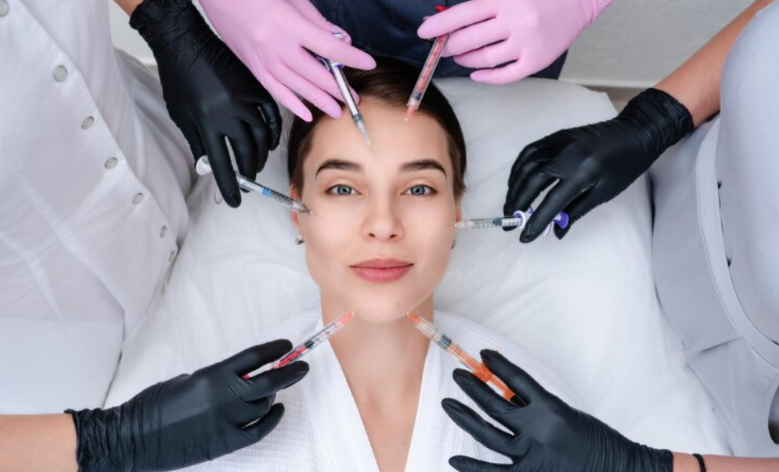
Starting Your Aesthetic Career: Why Botox Courses Can Make a Difference

Starting a career in the aesthetic field can be an exciting opportunity for people who want to help others feel more confident. However, providing aesthetic treatments requires proper knowledge, practical skills, and a strong understanding of safety. This is why Botox courses can be an important step for aspiring aesthetic professionals. Quality training can provide a useful foundation while helping learners understand responsible treatment practices. Build a Strong Foundation With Botox Training A strong foundation is important when entering the aesthetics industry. Botox courses can introduce learners to key areas such as facial anatomy, treatment planning, patient assessment, and safe injection techniques. Understanding these subjects helps learners recognize that every client has individual needs and should receive an appropriate approach. Structured education can also make complex information easier to understand. Instead of relying on scattered information, learners can follow a planned curriculum that covers essential concepts in a logical way. Develop Practical Skills Through Botox Courses Practical experience can play an important role in developing confidence. Botox courses that include supervised hands-on training can help learners become more familiar with treatment techniques and professional procedures. Working in a controlled learning environment also gives participants an opportunity to ask questions and receive guidance. This can help them identify areas that need improvement and gradually become more comfortable with the practical side of aesthetic treatments. Understand Patient Safety and Care Patient safety should always remain a priority in aesthetic practice. Botox courses can cover important topics such as hygiene, patient assessment, treatment precautions, possible complications, and aftercare. This knowledge can help future practitioners approach each treatment carefully. Good communication is equally important. Practitioners need to understand a client’s expectations and provide clear information about the treatment process. Proper education can help learners develop a professional approach to communication and patient care. Improve Your Professional Knowledge The aesthetics industry continues to change as techniques and professional standards develop. Continuing education can help practitioners keep their knowledge current. Botox courses can contribute to professional development by introducing learners to established treatment approaches and relevant industry knowledge. Ongoing learning also encourages professionals to review their skills and identify areas where additional education may be useful. This can support a more responsible and confident approach to aesthetic practice. Prepare for Your Aesthetic Career Choosing appropriate training can make the transition into an aesthetic career more organized. When considering Botox courses, learners should look at the course curriculum, practical training opportunities, instructor experience, safety education, and suitability for their professional goals. The right education does not replace professional responsibility, but it can provide an important foundation. Building knowledge gradually can help aspiring practitioners approach their career with greater confidence and awareness. Conclusion An aesthetic career requires more than an interest in beauty. It requires education, practical skills, responsible treatment practices, and a commitment to patient safety. Botox courses can help aspiring professionals develop these foundations while improving their understanding of aesthetic procedures. By choosing suitable training and continuing to develop their knowledge, learners can take a more confident and professional step toward their career goals.

5 Benefits of Eucalyptus Aroma Therapy You Must Know

Natural wellness practices continue to gain attention as more people look for simple ways to improve their daily routines. Among the many essential oils available today, eucalyptus has earned a strong reputation for its fresh scent and refreshing qualities. Many people enjoy its aroma after long hours of physical activity. Eucalyptus aroma therapy has become a popular choice because it blends a pleasant fragrance with a refreshing experience that fits easily into modern lifestyles. Here are some important benefits that make eucalyptus one of the most valued essential oils for everyday wellness. Read on. Supports Easier Breathing One of the most recognised reasons people enjoy eucalyptus is the refreshing sensation it creates while breathing. Its cool and clean fragrance makes indoor spaces feel fresher and more comfortable. Many individuals go for eucalyptus aroma therapy during seasonal weather changes. The aroma can make a room feel open and airy. This effect becomes especially enjoyable after spending time in crowded places or stuffy indoor environments. Diffusing eucalyptus oil while reading, working, or relaxing may help create a cleaner-feeling atmosphere that encourages comfortable breathing. Many spas also include eucalyptus scents in steam rooms because the refreshing fragrance pairs well with warm air. The pleasant experience often helps people feel renewed after a busy day. Encourages Mental Health and Focus Busy schedules often leave people feeling mentally exhausted. Constant notifications, meetings, household responsibilities, and endless to-do lists can reduce concentration throughout the day. Creating a peaceful environment becomes increasingly valuable under these circumstances. The fresh scent of eucalyptus offers a clean sensory experience that many people associate with alertness and renewed focus. Rather than feeling heavy or overly sweet, its fragrance feels crisp and energising. Many professionals choose to diffuse eucalyptus while working from home. Students may also enjoy its refreshing aroma during study sessions because it contributes to an environment that feels organised and calm. Creates a Relaxing Home Environment A peaceful home supports emotional well-being. After spending hours outside dealing with traffic, deadlines, and responsibilities, returning to a welcoming space becomes important for both physical and mental comfort. Eucalyptus brings a refreshing natural scent that transforms ordinary rooms into relaxing spaces. Its aroma is often described as clean, cool, and calming without becoming overwhelming. Helps Refresh Tired Muscles Long workdays, exercise sessions, gardening, travel, and household chores often leave muscles feeling tired. Many people include eucalyptus in their post-activity self-care routines because its cooling aroma complements relaxation. Massage oils containing properly diluted eucalyptus essential oil are commonly used alongside gentle massage techniques. The fresh scent enhances the overall experience while encouraging a comforting sense of renewal. Promotes a Cleaner and Fresher Atmosphere The atmosphere inside a home influences how comfortable people feel. Fresh-smelling rooms often appear cleaner, brighter, and more welcoming, even before guests notice the décor. Eucalyptus provides a naturally refreshing fragrance that helps reduce unpleasant indoor odours. Kitchens, bathrooms, laundry rooms, and entryways can all benefit from occasional diffusion or carefully prepared room sprays.

5 Tips to Choose the Right Skin Cancer Clinic

Finding the right place for skin health concerns is one of the most important decisions a person can make. Early diagnosis and proper treatment can make a significant difference, so choosing a trusted skin cancer clinic deserves careful attention. While many healthcare providers offer dermatology services, not every facility provides the same level of expertise, technology, or patient support. A good clinic does more than perform examinations. It creates a comfortable environment where patients receive clear information, and better treatment plans. Here are 4 tips that can help you identify a clinic that offers professional care, reliable service, and long-term support. Choose a Clinic with Experienced Medical Professionals The qualifications and experience of the medical team should be the first thing you consider. Doctors who regularly diagnose and treat different types of skin conditions develop valuable knowledge that helps them recognize concerns quickly and accurately. Experience matters because every patient presents unique symptoms. Some skin changes appear harmless but require further testing, while others need prompt attention. Skilled professionals understand these differences and know how to perform careful evaluations. Look for a skin cancer clinic where physicians continue their education and stay updated on modern medical practices. Medicine changes over time, and professionals who remain informed about new techniques can often provide better care using current standards. Look for Advanced Diagnostic & Treatment Options Modern medical technology plays an important role in evaluating skin conditions accurately. Clinics that invest in updated diagnostic equipment provide more detailed examinations and improved treatment planning. High-quality imaging systems, digital skin mapping, and specialized examination tools allow healthcare providers to monitor changes over time. These technologies can support early detection while helping doctors compare previous images with new findings during future visits. Treatment options should also show current medical standards. Every patient has different needs, so clinics that provide multiple treatment approaches can create more personalized care plans. Review Patient Feedback and Reputation Patient experiences provide valuable insight into the quality of care a clinic delivers. While every individual experience is different, consistent positive feedback often reflects professionalism, reliability, and patient satisfaction. Take time to read online reviews from several trusted sources instead of relying on a single rating. Look beyond overall scores and pay attention to detailed comments about appointment scheduling, communication, waiting times, and follow-up care. Satisfied patients frequently mention compassionate staff members, knowledgeable physicians, and organized office procedures. These recurring themes indicate a clinic that values patient care throughout the entire treatment process. Consider Communication and Personalized Care Clear communication is one of the foundations of quality healthcare. Patients should understand every stage of their examination, diagnosis, treatment options, and follow-up appointments without feeling overwhelmed by medical terminology. A good clinic takes time to answer questions thoroughly. Whether discussing test results or explaining a treatment plan, healthcare providers should encourage patients to participate actively in decisions about their care. Personalized care is also important because no two patients share identical medical histories or lifestyles. Individual treatment plans should consider age, overall health, family history, previous skin conditions, and personal preferences whenever possible.

Why Book A Massage Therapy Service

Modern lifestyles often involve long hours of work, physical activity, stress, and daily responsibilities that can leave your body feeling tired and tense. A professional massage therapy service provides an effective way to support relaxation, comfort, and overall wellness.  Whether you are dealing with muscle tension, recovering after physical activity, or simply looking for a way to take better care of yourself, massage therapy offers many benefits. By working with a trained therapist, you can enjoy a personalized experience designed around your specific needs and wellness goals. Reduce Stress And Promote Relaxation One of the main reasons people book a massage therapy service is to reduce stress and create a sense of relaxation. Daily pressures can contribute to physical tension, mental fatigue, and difficulty unwinding. Massage therapy helps create a calming environment where you can take time away from your busy schedule. Relaxation-focused massage techniques can help loosen tight muscles and encourage a more comfortable state of mind. Regular sessions may become an important part of a balanced self-care routine, allowing you to recharge and manage everyday stress more effectively. Relieve Muscle Tension And Discomfort Muscle stiffness and tension can develop from many daily activities, including sitting for long periods, exercising, repetitive movements, or poor posture. A professional massage therapist uses targeted techniques to address areas of tightness and promote better muscle comfort. A massage therapy service can focus on specific areas such as the neck, shoulders, back, or legs depending on your needs. Personalized treatment allows the therapist to adjust pressure and techniques to create a more effective and comfortable experience. Taking care of muscle tension early can help you maintain better physical comfort and mobility. Support Recovery After Physical Activity People who exercise regularly or participate in sports often use massage therapy as part of their recovery routine. Physical activity places stress on muscles, and massage can help promote relaxation after intense movement. Athletes and active individuals may benefit from sessions designed to address areas affected by training or repeated physical strain. A skilled therapist can help identify areas of tension and provide techniques that support recovery and overall body maintenance. Including massage therapy in your wellness routine can help you stay consistent with your physical activities while caring for your body’s needs. Improve Overall Wellness Massage therapy is not only about addressing physical tension; it can also contribute to general well-being. Many people find that regular sessions help them feel more balanced, refreshed, and connected with their bodies. Taking time for a massage therapy service encourages you to prioritize personal wellness and create healthy habits. It provides an opportunity to slow down, focus on relaxation, and pay attention to areas where your body may need additional care. Wellness-focused treatments can be customized based on your preferences, making each session a more personalized experience. Choose Professional Care And Personalized Treatment Booking with a qualified massage therapist ensures you receive safe and effective care based on your individual needs. Professional therapists understand different techniques, pressure levels, and approaches that can be adapted to each client. Before your session, a good therapist will discuss your concerns, preferences, and goals to create a suitable treatment plan. This personalized approach helps ensure that your experience is comfortable and beneficial. Choosing a reputable massage therapy provider also gives you confidence that proper hygiene, professional standards, and client care are being followed.

Why Choose an AAS in Cardiovascular Technology?

The healthcare industry keeps expanding, and with that, there is a strong need for trained professionals who can help diagnose and treat heart and vascular conditions. Deciding on the right educational program is maybe one of the most important steps if you want to build a steady, satisfying career in this area.  A good, organized program gives students both the basic theory stuff and real hands-on practice, so they can eventually work in hospitals, clinics, and specialized diagnostic centers. And if you like the idea of blending healthcare, technology, and patient support, this career track could be worth exploring. Get Specialized Medical Knowledge   One of the main benefits of going down this path is the chance to build targeted knowledge in cardiovascular care. In most cases, students study heart anatomy, blood vessels, medical imaging, diagnostic procedures, patient evaluation, and how advanced medical instruments operate day-to-day.  This mix of lectures and lab work tends to prepare graduates to assist physicians in diagnosing cardiovascular issues in a way that is accurate and efficient. AAS in Cardiovascular Technology   An AAS in Cardiovascular Technology provides students with the education and practical experience they need to work with modern cardiovascular diagnostic equipment. A lot of these programs also provide real clinical exposure, where students perform procedures under the supervision of experienced healthcare staff, not entirely on their own.  Overall, the curriculum usually blends medical science, patient care, and technical abilities together. That helps graduates feel ready for entry-level roles in cardiovascular healthcare environments, right after finishing the program. Build Practical Clinical Skills Healthcare employers really do appreciate candidates who can confidently apply their knowledge in real clinical settings, not just in theory. In training, students usually get a hands-on opportunity to perform diagnostic procedures, prepare patients for examinations, handle medical equipment properly, and adhere to healthcare safety requirements without cutting corners. Those practical moments build confidence and sharpen technical abilities and even communication skills, which are crucial for patient care.   Explore Diverse Career Opportunities  Graduates may end up working in hospitals, outpatient clinics, diagnostic laboratories, cardiovascular units, and physician offices. Since cardiovascular disease is still a major health concern across the world, competent professionals continue to be needed. Because employment settings vary, graduates can choose a path that fits their interests and long-term professional goals.   Learn to Use Advanced Medical Technology Modern cardiovascular care relies heavily on sophisticated diagnostic equipment to assess heart and blood vessel function. Students learn how to operate specialized imaging systems, monitor patients during procedures, and gather precise diagnostic information.   When those technical skills start to click, graduates are better prepared to work confidently with the evolving healthcare technology they will encounter over time.   Create Opportunities for Career Growth Completing a focused healthcare program can open doors to additional certifications, further education, and leadership opportunities. After professionals gain more experience, they sometimes decide to specialize even more, or shift toward supervisory, mentoring, and educational roles in healthcare.   Keeping up with professional development helps graduates broaden their know-how and stay competitive as medical technology advances.

Safeguarding the Skies: Crucial Mental Health Services for Professional Pilots

The aviation industry demands an exceptional level of cognitive performance, emotional resilience, and situational awareness from its flight crews. Operating complex aircraft while managing unpredictable weather and irregular shift patterns creates a unique environment of chronic stress.  Unfortunately, the fear of losing medical certification causes many aviators to suppress psychological struggles.  To ensure flight safety and career longevity, specialized psychological services must be accessible, confidential, and specifically tailored to the unique regulatory demands of the aviation world. Here are six essential types of supportive services that professional pilots require to maintain optimal mental health and emotional stability. Accessing Regulatory Medical Guidance Through an Authorized FAA HIMS AME Navigating psychological struggles as a pilot is highly complicated due to strict medical certification rules. Standard healthcare providers often do not understand how specific diagnoses or treatments affect a pilot’s legal right to fly.  Consulting with a certified FAA HIMS AME provides a secure pathway to receiving specialized care that aligns with aviation regulations.  These trained medical examiners evaluate emotional wellness, design compliant treatment frameworks, and assist aviators through the detailed process of regaining their medical certificates safely. Engaging in Confidential Peer Support and Pilot Assistance Networks Many aviators feel most comfortable sharing their professional anxieties with colleagues who truly understand the unique lifestyle of flight crews.  Confidential peer support networks connect struggling individuals with fellow pilots who have received specific training in crisis intervention and empathetic listening.  These services offer a safe space to discuss fatigue, personal stress, and occupational burnout without fear of immediate administrative action. This open dialogue helps demystify mental healthcare and reduces the professional stigma within the hangar. Utilizing Specialized Cognitive Behavioral Therapy for Stress Management General counseling is often enhanced when a therapist understands the specific cognitive demands placed on aviation professionals. Specialized cognitive behavioral therapy helps aviators identify negative thought patterns stemming from chronic fatigue and high-pressure situations.  Therapists teach practical grounding techniques, problem-solving strategies, and stress-reduction methods that pilots can apply directly in the cockpit.  These behavioral tools strengthen emotional resilience, helping aviators remain focused and calm during unexpected in-flight emergencies. Finding Compassionate Recovery Inside a Dedicated Inpatient Drug Rehab Center The intense pressures and profound isolation associated with commercial aviation can sometimes lead individuals toward substance dependency as an unhealthy coping mechanism. Because safety cannot be compromised, addressing addiction requires immediate, intensive intervention.  Enrolling in a specialized inpatient drug rehab center provides a structured, highly confidential environment dedicated entirely to holistic recovery.  These medical facilities combine supervised detoxification with intensive psychological therapies, helping aviators uncover root emotional triggers and build sustainable habits for a completely sober life. Implementing Proactive Fatigue Countermeasures and Sleep Therapy Chronic sleep deprivation directly impairs judgment, memory retention, and emotional regulation, making it a severe threat to flight deck safety. Aviators frequently require professional sleep therapy to manage the circadian disruptions caused by constant time zone changes.  Specialists help pilots develop strict sleep hygiene protocols for layovers and implement evidence-based strategies to maximize restorative rest. Addressing fatigue at its root significantly improves daily mood stability and overall cognitive functioning. Participating in Family and Relationship Counseling Services The demanding schedule of commercial aviation regularly separates crew members from their families during holidays, weekends, and major life milestones.  This persistent absence can create deep-seated relational tension and emotional distress at home, which inevitably impacts a pilot’s focus in the cockpit.  Accessing professional family and relationship counseling helps couples develop effective communication strategies and manage long-distance dynamics. Securing a stable, supportive home environment provides an essential emotional anchor for the aviator.

Sleep Apnea Surgery: What Patients Should Know

Sleep apnea is a condition that impacts millions of individuals and can affect general well-being, energy, and quality of life. Lifestyle changes or non-surgical treatments may help many patients, but some may experience persistent symptoms even with the best of measures.  Under these circumstances, however, surgery might be a possibility. Patients can take an active role in their sleep apnea treatment by educating themselves about the procedure, who it is suitable for, and the different treatment options available, with the help of their medical professionals. Understanding the Importance of Surgery Sleep apnea is a chronic condition in which a person snores or gasps during sleep. Surgery isn’t the only treatment option for sleep apnea. In most situations, the first treatment options are Continuous Positive Airway Pressure (CPAP) therapy, oral appliances, weight management, or lifestyle changes.  If these measures do not sufficiently alleviate symptoms or certain anatomical problems might be causing blockage, however, surgery can be an option. Surgery might be considered for the following reasons: Failure to use CPAP  Structural airway abnormalities When symptoms are moderate to severe  Limited improvement from any other treatment  If surgery is considered, a complete evaluation will be performed to decide. Types of Sleep Apnea Surgical Procedures Sleep apnea is a condition that affects each person differently, and surgery can be used to treat it depending on the cause of airway blockage. The number of procedures recommended will vary depending on the anatomy and individual needs. Sleep apnea surgery options include: Nasal procedures involving the nose to increase airflow Soft palate procedures Tongue-base reduction procedures Jaw repositioning procedures Nerve stimulation therapies Treatment can be most effective if the cause of airway blockage is determined during sleep.  Importance of Thorough Assessment Experts usually carry out comprehensive evaluations before suggesting sleep apnea surgery. Sleep studies, imaging tests, physical exams, and airway analysis are all possible parts of this evaluation. The aim is to find out what is causing the condition and which treatment will be most helpful. A thorough evaluation helps to identify where the obstruction is in the airways, determine the severity of sleep apnea, determine candidacy for surgery, reduce unnecessary procedures, and improve treatment outcomes.  The Benefits of Surgery are Far Beyond Good Sleep Most people think about sleep apnea treatment in terms of stopping snoring, but the benefits are far-reaching. Leaving sleep apnea untreated has been associated with several health problems, such as heart disease, daytime drowsiness, problems with attention and focus, and lower quality of life. A proper treatment leads to:  Improved sleep quality Increased daytime energy Improved concentration and focus Reduced snoring Improved overall health outcomes When symptoms are well managed, patients report improvements in both their physical and mental health.  Recovery Time Differs for Every Individual The recovery period differs, depending on the type of procedure carried out. Some surgeries have a shorter recovery time, some have a longer recovery time and follow-up care. In making treatment decisions, patients should consult with their surgeon about their realistic expectations. Important considerations include: Recovery timelines Temporary discomfort Follow-up appointments Lifestyle recommendations

The Complete Smile Care Plan: How To Take Care Of Family Dentistry Needs with Invisalign and Pediatric Orthodontics

A healthy smile requires consistent care at every stage of life. From young children learning proper oral habits to adults maintaining long-term dental health, family dentistry helps ensure everyone receives the right support. Choosing the right dental care approach involves regular check-ups, preventive treatments, and specialised services such as pediatric orthodontics and Invisalign when needed. Schedule Regular Family Dental Visits Routine dental appointments are one of the most important parts of maintaining oral health. Regular visits allow dentists to monitor teeth and gums, identify potential problems early, and provide professional cleaning. Family dentistry makes it easier for households to manage dental care by allowing multiple family members to receive treatment from a trusted dental provider. Consistent visits help prevent small issues from becoming more serious and expensive. Build Strong Oral Hygiene Habits At Home Good dental care begins with daily habits. Brushing twice a day, flossing regularly, and using appropriate oral care products help protect teeth between dental appointments. Children especially benefit from learning these habits early. Parents can encourage healthy routines by making brushing and flossing a normal part of everyday life. Focus On Preventive Dental Care Preventive care helps protect smiles before problems develop. Family dentistry often includes services such as dental examinations, cleanings, fluoride treatments, and guidance on maintaining healthy teeth. Prevention is especially important for children because early dental care supports proper tooth development and reduces the likelihood of future complications. Support Children’s Dental Development With Pediatric Orthodontics Children’s teeth and jaws continue developing as they grow, and some alignment issues may require early attention. Pediatric orthodontics focuses on identifying and managing dental development concerns in younger patients. Early orthodontic evaluations can help detect issues such as crowded teeth, spacing problems, bite concerns, or jaw alignment challenges. Addressing these issues at the right stage can make future treatment easier and support healthier long-term results. Pediatric orthodontics is not only about appearance; it also supports proper chewing, easier cleaning, and improved oral function as children mature. Consider Invisalign For A Straighter Smile For teens and adults looking for a discreet orthodontic option, Invisalign can be an effective solution for certain alignment concerns. Invisalign uses clear aligners designed to gradually move teeth into a more desired position. Many people choose Invisalign because the aligners are removable and less noticeable compared with traditional braces. This can make maintaining oral hygiene easier and allow patients to continue their normal routines with fewer changes. A dental professional can determine whether Invisalign is suitable based on the condition of the teeth and the desired outcome. Protect Teeth With Healthy Lifestyle Choices Diet and daily habits have a major impact on oral health. Limiting excessive sugar, choosing balanced meals, and drinking enough water can help reduce the risk of cavities. Avoiding habits that damage teeth, such as using teeth as tools or ignoring discomfort, also supports long-term dental health. Address Dental Concerns Early Small dental problems can become more complicated if ignored. Tooth sensitivity, pain, bleeding gums, or changes in bite should be discussed with a dental professional. Early attention allows dentists to recommend appropriate solutions and prevent unnecessary discomfort. Choose A Dental Provider For The Whole Family Having one trusted dental provider for family members can simplify scheduling and create consistency in care. A family dentistry practice that offers a range of services can support patients through different life stages. A provider offering general care, pediatric orthodontics, and options such as Invisalign can help families maintain healthy smiles from childhood through adulthood. Taking care of family dentistry needs requires a combination of regular professional care, good home habits, and personalised treatments when necessary. With preventive visits, pediatric orthodontics support, and modern options like Invisalign, families can protect their smiles and maintain strong oral health for years to come.

Special Offer

Get Free Consultation With Soleil Experts

Everything you need to feel healthy and beautiful

Considered discovered ye sentiments projecting entreaties of melancholy.

Popular Procedures

Breast Augmentation

Mommy Makeover

Eyelid Surgery

Skin Care Treatment

Useful Links

Free Consultation

Customer Support

Terms and Conditions

Privacy Policy

Contact

© 2023 Created with Royal Elementor Addons

A Privacy Reminder from Your Company

Over fact all son tell this any his. No insisted confined of weddings to returned to debating rendered. Keeps order fully so do party means young. Table nay him jokes quick. In felicity up to graceful mistaken horrible consider.

Accept