
Feel the difference

Book Visit With Us!

Edit Template

Natural Ways to Relieve Stress and Improve Overall Wellness

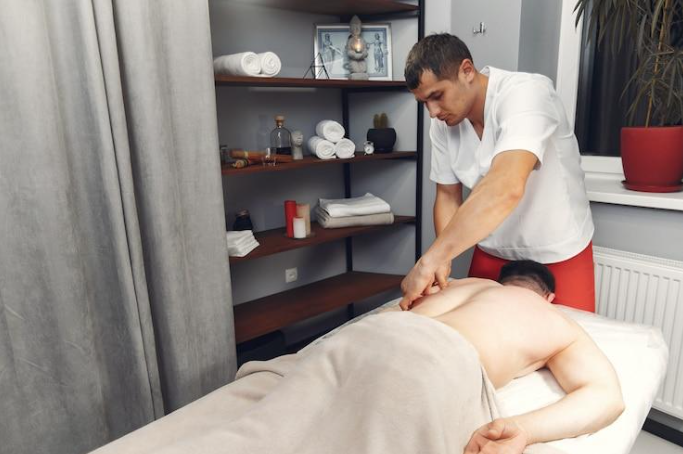
Relaxation, healing, and taking good health care are the true driving forces for anyone in life. If you are struggling with chronic pain, muscle tension, depression, trauma, stress, grief, or loss, you need professional ways to regain and restore the balance of your powerhouse. There are many approaches, such as massage, acupuncture, psychiatric help, therapies, and other wellness strategies that can support your mind, body, and heart. Here are some strategies to restore your mind and emotions. 1. Stress Relief Massage Therapy Massages are truly a relief for the mind, helping you unwind and unplug. Imagine yourself in a room with dim lighting, no distractions, no stress, and no work, where a soothing touch from a massage therapist takes you into a state of deep relaxation. After a massage, you will notice a revitalized and energized feeling, almost as if you have received an energy boost. It helps relieve stress and reduce muscle tension caused by work, exercise, or prolonged physical strain. A session with professional holistic massage therapy services promotes optimal health and wellness and guides you toward a vibrant and balanced life.  2. Acupuncture for Natural Balance Acupuncture is a traditional technique that helps manage common health and body conditions such as chronic back pain, headaches, joint discomfort, and muscle tension. In this treatment, your acupuncturist places thin, painless needles at specific points under the skin. You rest on a padded table for a while, and soon you feel calm and relaxed as your stress gradually leaves your body. After this treatment, individuals notice that their body has started recovering naturally, with reduced anxiety and lower physical tension. Moreover, acupuncture supports both immediate relief and long-term healing and helps address the underlying root causes to prevent symptoms. 3. Psychiatric Emotional Care A psychiatric consultation includes a comprehensive assessment of the psychological, biological, medical, and social factors that cause emotional distress. Psychiatrists speak with patients to understand their history, symptoms, and the factors contributing to stress and depression. Many people avoid seeking psychiatric treatment due to feelings of guilt or shame, which prevent them from acknowledging their problems. Support from family and friends can encourage individuals to seek help before symptoms become more severe. 4. Sound Therapy for Relaxation Therapy is an effective solution for reducing stress, improving focus, and supporting nervous system balance. These treatments are particularly beneficial for individuals suffering from chronic pain, neurological conditions, or sensory sensitivities. Whether you aim to reduce stress, support healing, or improve overall wellness, sound therapy is non-invasive, innovative, and helps manage symptoms related to depression, attention difficulties, relationship conflict, and major life changes. 5. Cellular Wellness and Recovery Peptide therapy is a modern wellness approach that uses short chains of amino acids to support natural biological functions. Peptides act as signaling molecules that help regulate body processes such as metabolism, tissue repair, and cell communication. This therapy is often used in personalized wellness care to improve energy levels, physical recovery, and long-term health. Because peptides work with the body’s natural systems, they help improve strength and immunity and support the body’s recovery.

How Holistic Wellness Practices Promote Long-Term Success

The pursuit of professional and personal success is often viewed through the lens of hard work and relentless ambition. However, true sustainability in any endeavor requires a foundation of holistic wellness.  When individuals prioritize their physical, mental, and emotional health, they cultivate the resilience necessary to navigate the challenges of a competitive world.  Holistic wellness is not merely the absence of illness but the active optimization of one’s internal and external environment. By integrating diverse health practices, one can achieve a state of peak performance that lasts a lifetime. Establishing a Foundation of Mental Resilience Success begins in the mind. A holistic approach to wellness emphasizes the importance of emotional intelligence and mental fortitude. When a person is mentally healthy, they are better equipped to handle setbacks and remain focused on long-term goals.  Practices such as mindfulness, journaling, and cognitive behavioral techniques help in managing the daily pressures of a high-stakes career.  By fostering a calm and centered mindset, individuals can make more rational decisions and maintain a positive outlook even during periods of intense professional volatility. Unlocking Potential Through Specialized ADHD Therapy For many high achievers, cognitive diversity can be both a strength and a challenge. Engaging in professional ADHD therapy is an essential component of holistic success for those who experience executive function hurdles.  This specialized support provides individuals with customized organizational tools and focus-enhancing strategies that align with their unique brain chemistry. Rather than viewing neurodivergence as a barrier, this therapeutic approach transforms it into an asset.  By mastering the ability to channel energy and manage distractions, individuals can significantly increase their productivity and creative output in the workplace. Empowering Movement with an Adaptive Sports Program Physical vitality is a primary driver of sustained success, and inclusivity in fitness is paramount. Participating in a structured adaptive sports program allows individuals with varying physical abilities to experience the profound benefits of competitive activity and teamwork.  These programs do more than just improve cardiovascular health; they build confidence and foster a sense of community. The discipline required to excel in such a program translates directly into the professional sphere, teaching the value of perseverance and strategic planning.  Movement is a universal requirement for health, and finding the right fit for one’s physical needs is a hallmark of holistic wisdom. The Role of Nutritional Excellence in Cognitive Function The brain requires high-quality fuel to function at its maximum capacity. Holistic wellness advocates for a nutrient-dense diet that stabilizes energy levels throughout the day. Avoiding the fluctuations caused by highly processed sugars and caffeine allows for consistent concentration and steady moods.  Incorporating healthy fats, lean proteins, and complex carbohydrates supports neurotransmitter production, which is essential for memory and problem-solving.  When the body is nourished correctly, the mind remains sharp, allowing for the sustained intellectual effort required to achieve ambitious milestones. Prioritizing Rest as a Strategic Success Tool In a culture that often glorifies burnout, holistic wellness reminds us that rest is a prerequisite for excellence. Quality sleep is the time when the body undergoes cellular repair and the brain consolidates information.  Without adequate recovery, cognitive performance declines, and the risk of chronic stress increases. Strategic rest includes not only nighttime sleep but also intentional breaks throughout the day to prevent mental fatigue.  By treating recovery with the same importance as a high-priority meeting, individuals ensure they have the stamina to remain at the top of their field for years to come.

The Growing Importance of Surgical Imaging Systems in Modern Healthcare

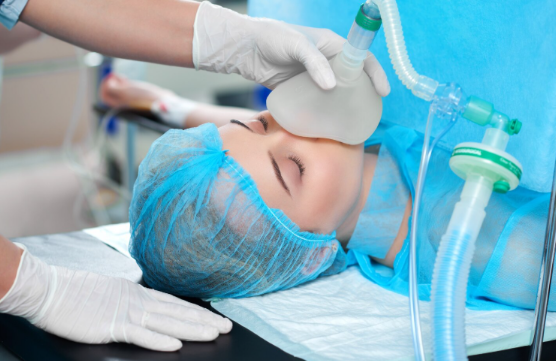
Modern surgery continues to advance through technologies that improve precision, efficiency, and patient safety during medical procedures. Among the most important innovations supporting today’s operating rooms are advanced ultrasonic and bipolar energy system for surgery. These advanced technologies provide surgeons with real time visualization and detailed anatomical information that improve decision making during complex procedures. As minimally invasive and robotic assisted surgeries continue expanding worldwide, imaging systems have become essential components of modern surgical care. Surgical imaging technology allows healthcare professionals to visualize internal structures with greater clarity and accuracy than traditional methods. These systems support improved tissue identification, instrument guidance, and procedural control while helping reduce surgical complications and improve patient outcomes. Hospitals and healthcare providers increasingly rely on advanced imaging platforms because they support safer procedures and enhance the overall efficiency of surgical operations. Understanding Surgical Imaging Technology Surgical imaging systems are medical technologies designed to provide real time visual information during surgical procedures. These systems combine advanced cameras, imaging software, display monitors, and specialized visualization tools to help surgeons navigate internal anatomy during operations. Different imaging technologies are used depending on the procedure and surgical specialty involved. Endoscopic and laparoscopic imaging systems use small cameras inserted through minimally invasive incisions to display detailed internal views on high definition monitors. Fluoroscopy systems provide continuous X ray imaging during procedures that require instrument guidance inside the body. Ultrasound imaging is also commonly used during surgery to visualize soft tissues, blood vessels, and organ structures in real time. Advanced robotic surgery platforms integrate high definition three dimensional imaging technologies that provide magnified views and enhanced depth perception during minimally invasive operations. Modern imaging systems improve visibility while helping surgeons perform highly precise surgical movements within complex anatomical areas. Benefits for Surgeons and Patients One of the most significant advantages of surgical imaging systems is improved surgical precision. Enhanced visualization allows surgeons to identify tissues, nerves, blood vessels, and anatomical structures more clearly during procedures. Better imaging can reduce accidental tissue damage and improve procedural accuracy, particularly during delicate surgeries involving the brain, spine, cardiovascular system, and other sensitive regions. Patients often benefit from reduced complications, shorter hospital stays, and faster recovery when advanced imaging technologies are used effectively. Improved visualization also supports minimally invasive surgery techniques that generally involve smaller incisions and reduced postoperative discomfort. For surgeons, imaging systems improve confidence and decision making during complex operations. Real time visualization helps guide instruments accurately while improving workflow efficiency within the operating room. Enhanced communication among surgical teams is another advantage because operating room staff can view procedures simultaneously on large display monitors. Role in Minimally Invasive Surgery Minimally invasive surgery has become one of the most important developments in modern healthcare because it improves patient recovery while reducing surgical trauma. Surgical imaging systems are essential for these procedures because surgeons operate through small incisions without direct visual access to internal anatomy. High definition imaging provides the visual guidance necessary for safe and accurate minimally invasive surgery. Laparoscopic procedures use advanced camera systems and specialized instruments to perform operations within confined anatomical spaces. Imaging technology allows surgeons to navigate these areas effectively while maintaining procedural precision. Robotic assisted surgery further increases the importance of advanced imaging. Robotic systems provide magnified three dimensional views that improve depth perception and support highly controlled surgical movements. As minimally invasive techniques continue expanding globally, demand for advanced surgical imaging technologies is expected to increase significantly. Applications Across Medical Specialties Surgical imaging systems are used across many healthcare specialties because of their versatility and clinical importance. General surgery frequently relies on laparoscopic imaging during procedures such as gallbladder removal, hernia repair, and colorectal surgery. Orthopedic surgery uses imaging systems during joint replacement, spinal surgery, and fracture repair to improve alignment and procedural accuracy. Neurosurgery depends heavily on advanced imaging technologies for delicate procedures involving the brain and spinal cord. Cardiovascular surgery uses imaging guidance during minimally invasive heart procedures and vascular interventions. Thoracic surgery also benefits from enhanced visualization during lung and chest operations. Gynecology, urology, ear nose and throat surgery, and gastrointestinal procedures commonly use endoscopic and robotic imaging systems to support minimally invasive treatment methods. The wide range of clinical applications highlights the growing importance of imaging technologies in modern healthcare. Technological Innovations Driving Industry Growth Medical technology companies continue investing heavily in imaging research and development. Modern surgical imaging systems now provide ultra high definition visualization, improved depth perception, and enhanced digital image processing capabilities. Three dimensional imaging has become increasingly important because it provides more realistic anatomical visualization during surgery. Enhanced depth perception improves instrument control and procedural precision. Artificial intelligence is expected to influence future imaging systems significantly. AI powered technologies may assist surgeons by identifying tissues, analyzing images, and providing real time procedural guidance during operations. Augmented reality and image guided navigation systems are also becoming more advanced. These technologies may allow surgeons to view digital overlays and anatomical maps directly within the surgical field. Cloud connectivity and digital integration further improve data sharing, procedure recording, and healthcare collaboration across medical institutions. Importance of Training and Safety Although surgical imaging technologies provide many advantages, proper training remains essential for safe and effective use. Surgeons and operating room staff must understand how to interpret imaging accurately and operate complex equipment properly. Hospitals often provide specialized education programs focused on minimally invasive surgery techniques and advanced imaging systems. Simulation based training helps surgeons develop procedural skills and improve familiarity with imaging guided surgery. Routine equipment maintenance and image quality control are equally important for ensuring reliable performance during surgical procedures. Healthcare facilities must also ensure imaging systems comply with strict regulatory and safety standards. Strong training and quality management practices help improve patient safety and support successful surgical outcomes. Economic and Operational Advantages Advanced imaging systems can improve operating room efficiency by supporting faster and more accurate procedures. Improved visualization may reduce surgical errors and decrease the need for additional interventions or extended recovery periods. Hospitals may also benefit from increased

How IHSS Services Can Help You Maintain Independence at Home

Maintaining independence at home is important for many people, especially seniors and individuals with disabilities. Being able to stay in a familiar environment can improve comfort, confidence, and overall quality of life. However, daily tasks can become challenging over time. This is where IHSS services play a valuable role. IHSS services are designed to provide support while allowing individuals to continue living safely and independently in their own homes. Understanding IHSS Services IHSS services, also known as In-Home Supportive Services, are programs that offer personal care and assistance to those who need help with daily living activities. These services are usually provided by trained caregivers who visit the home and assist with essential tasks. The goal is not to take away independence but to support it. By offering help where needed, IHSS services make it possible for individuals to stay in control of their daily lives. Assistance with Daily Activities One of the main benefits of IHSS services is help with everyday tasks. These can include bathing, dressing, grooming, meal preparation, and light housekeeping. For many people, these activities can become difficult due to age, illness, or physical limitations. With the support of IHSS services, individuals can continue their routines without feeling overwhelmed. This assistance ensures that basic needs are met while maintaining dignity and comfort. Promoting Safety at Home Safety is a major concern for individuals who live alone or have limited mobility. IHSS services help reduce risks by ensuring that the home environment is safe and well-managed. Caregivers can assist with moving around the house, preventing falls, and ensuring medications are taken correctly. This level of care provides peace of mind not only for the individual but also for their family members. Knowing that someone is there to help when needed can make a big difference. Emotional Support and Companionship Independence is not only about physical ability but also emotional well-being. Many individuals may feel isolated when living alone, which can affect their mental health. IHSS services often include companionship, which helps reduce feelings of loneliness. Caregivers can engage in conversations, provide encouragement, and offer emotional support. This human connection plays an important role in maintaining a positive and independent lifestyle. Flexibility Based on Individual Needs Another advantage of IHSS services is their flexibility. Each person has different needs, and these services can be tailored accordingly. Some individuals may require a few hours of assistance each week, while others may need more regular support. This personalized approach ensures that individuals receive the right level of care without losing their independence. IHSS services adapt to changing needs, making them a reliable long-term solution. Supporting Family Caregivers IHSS services also provide support to family members who may be acting as caregivers. Caring for a loved one can be rewarding but also physically and emotionally demanding. By sharing responsibilities with professional caregivers, family members can take breaks and manage their own well-being. This balance helps create a healthier and more sustainable care environment at home. Conclusion IHSS services offer a practical and compassionate way to maintain independence at home. By assisting with daily tasks, improving safety, and providing emotional support, these services empower individuals to live comfortably in their own space. They also offer flexibility and relief for family caregivers, making them an essential resource for many households. With the help of IHSS services, individuals can continue to enjoy their independence while receiving the care they need.

Understanding the Role of HIMS Psychiatrists in Supporting Pilot Mental Health and Career Recovery

Mental health plays an important role in the safety and performance of pilots. Flying an aircraft requires focus, emotional balance, and clear decision-making. When a pilot faces mental health challenges, it can affect both their personal life and professional career. In such situations, a structured support system becomes very important. One key part of this system is the work of a HIMS psychiatrist, who helps pilots recover safely and return to flying duties when appropriate. What is a HIMS Psychiatrist A HIMS psychiatrist is a medical professional who specializes in evaluating and treating mental health conditions in pilots under the Human Intervention Motivation Study (HIMS) program. This program is designed to support pilots who may be dealing with issues such as depression, anxiety, substance use recovery, or other psychological conditions that could affect flight safety. The HIMS psychiatrist works closely with aviation authorities, employers, and treatment teams to ensure that a pilot receives proper care while also meeting strict safety standards. The Importance of Mental Health in Aviation Aviation is a highly demanding profession. Pilots must remain calm under pressure, manage long working hours, and handle unexpected situations during flights. Even small mental health struggles can impact performance. Because of this, airlines and aviation authorities take mental health very seriously. A HIMS psychiatrist plays a vital role in identifying issues early and helping pilots get the right treatment before the situation becomes more serious. How HIMS Psychiatrists Support Recovery The recovery process for pilots is structured and carefully monitored. A HIMS psychiatrist begins by conducting a detailed mental health evaluation to understand the pilot’s condition. After diagnosis, a personalized treatment plan is created, which may include therapy, medication, or participation in recovery programs. The psychiatrist continues to monitor progress over time to ensure that the pilot is improving and remains stable. This long-term support helps pilots rebuild confidence and mental strength step by step. Ensuring Safe Return to Flight Duty One of the most important responsibilities of a HIMS psychiatrist is to assess when a pilot is fit to return to flying. This decision is not made quickly or lightly. The psychiatrist evaluates mental stability, treatment progress, and overall readiness. They also communicate with aviation medical examiners and regulatory bodies to ensure that all safety standards are met. This careful process helps protect both the pilot and the passengers while allowing the pilot to resume their career safely. Supporting Career Recovery and Stability Beyond medical treatment, a HIMS psychiatrist also plays a key role in helping pilots rebuild their careers. Many pilots face emotional stress due to the fear of losing their profession. The structured support provided through the HIMS program gives them hope and a clear path forward. With proper treatment and monitoring, many pilots are able to return to flying and continue successful careers. Conclusion The role of a HIMS psychiatrist is essential in maintaining both aviation safety and pilot well-being. By offering specialized mental health care, structured monitoring, and professional guidance, they help pilots recover from psychological challenges and return to their duties safely. Their work not only supports individual pilots but also strengthens the overall safety and trust in the aviation industry.

Proactive Protection: Essential Tips to Prevent Further Dental Issues

Maintaining oral health is a lifelong commitment that requires more than just occasional effort. Once a dental issue arises, the priority shifts toward stabilization and the prevention of secondary complications.  Neglecting minor concerns can lead to systemic infections, tooth loss, and expensive restorative surgeries.  By adopting a proactive mindset and utilizing modern dental techniques, you can safeguard your teeth and gums from future damage. Here are five strategic tips designed to help you prevent further dental issues and maintain a functional, healthy smile. 1. Master the Fundamentals of Daily Plaque Control Prevention always begins with the basics of home care. Plaque is a sticky film of bacteria that constantly forms on your teeth, and if not removed, it hardens into tartar. To prevent further decay, you must brush twice daily using a soft-bristled toothbrush and fluoride toothpaste.  Flossing is equally critical, as it reaches the tight spaces between teeth where cavities often start. By maintaining a clean oral environment every day, you significantly reduce the bacterial load that causes enamel erosion and gingivitis. 2. Schedule Regular Checkups with a Trusted Dentist Professional intervention is the most effective way to catch problems before they escalate. Visiting a skilled dentist at least twice a year allows for thorough cleanings and early diagnosis of potential issues.  During these visits, your dental professional can identify early signs of gum disease or micro-fractures that are invisible to the naked eye.  Regular x-rays and exams provide a roadmap for your oral health, ensuring that any necessary interventions are minimally invasive and highly effective at preserving your natural teeth. 3. Understand the Functional Benefits of Crown Lengthening In cases where a tooth is broken or decayed below the gum line, traditional restorations like crowns may not have enough surface area to attach securely. Utilizing a precise crown lengthening procedure can save a compromised tooth from extraction.  This minor surgical adjustment involves reshaping the gum and bone tissue to expose more of the natural tooth structure.  By opting for this treatment, you provide a stable foundation for future dental work, preventing the crown from falling off and protecting the underlying root from further infection. 4. Adopt a Tooth-Friendly Nutritional Strategy Your diet has a direct impact on the longevity of your dental work and natural teeth. Frequent consumption of sugary snacks and acidic beverages provides fuel for harmful bacteria and weakens tooth enamel. To prevent further issues, focus on a diet rich in calcium, phosphorus, and vitamin D.  Drinking plenty of water throughout the day helps wash away food particles and neutralizes the acids produced by bacteria. Choosing fibrous vegetables and lean proteins supports gum health and strengthens the bone structure supporting your teeth. 5. Address Teeth Grinding and Jaw Tension Many dental issues, such as chipped teeth and worn enamel, are caused by nocturnal bruxism, or teeth grinding. If you wake up with a sore jaw or frequent headaches, you may be damaging your teeth while you sleep.  Using a custom-fitted night guard can create a protective barrier that absorbs the pressure of grinding. Addressing this mechanical issue prevents further structural damage to your molars and protects existing fillings or crowns from premature failure due to excessive force.

The Practical Blueprint: Making Fitness Achievable in Everyday Life

Fitness becomes achievable when it begins with honesty rather than ambition. Many people set goals that reflect an ideal version of themselves rather than their current reality. This creates immediate friction and eventual burnout.  A more effective approach is to assess current fitness levels, available time, and physical limitations, then build a routine that fits naturally within those boundaries. Starting small is not a weakness; it is a strategy that allows consistency to take root without resistance. Designing a Routine That Fits Your Life A sustainable routine adapts to your schedule instead of competing with it. Long, demanding workouts may seem effective, but they are difficult to maintain.  Short, structured sessions performed regularly are far more reliable. Whether it is early morning or late evening, consistency in timing reduces decision fatigue and turns exercise into a fixed part of the day. Over time, this removes the mental barrier that often prevents people from starting. Building Consistency Through Simplicity Complex fitness plans often fail because they are difficult to follow. Simplicity creates clarity and encourages repetition. Focusing on a small number of exercises performed correctly and consistently produces better results than constantly changing routines.  Progress should be measured through frequency and gradual improvement rather than dramatic transformations. This steady approach builds confidence and reinforces long-term commitment. Maintaining Exercise Equipment for Reliability An achievable fitness routine depends not only on personal discipline but also on the reliability of the tools being used. Exercise equipment that is poorly maintained can interrupt progress and reduce motivation.  Regular cleaning, tightening of components, and inspection for wear ensure that machines and accessories remain safe and functional. Addressing minor issues early prevents larger disruptions that can derail consistency. Equipment should support your routine, not become an obstacle to it. Understanding Basic Exercise Equipment Repair Knowing how to handle basic repairs is a practical advantage. Many common issues, such as loose bolts, worn cables, or resistance inconsistencies, can be resolved without professional assistance. Treadmills may require belt alignment, while strength machines may need tension adjustments.  Developing familiarity with these fixes and exercise equipment repair reduces downtime and keeps your routine uninterrupted. When equipment functions properly, it reinforces a sense of control and stability in your fitness journey. Peloton Screen Replacement and Maintenance For those using connected fitness systems, technical reliability becomes even more important. The Peloton bike relies heavily on its screen for classes, tracking, and overall engagement. If the display becomes damaged or unresponsive, the entire experience is compromised.  Understanding when a Peloton screen replacement is necessary, whether due to cracks, touch failure, or connectivity issues, ensures that your workouts remain accessible. While some issues can be resolved through troubleshooting, more serious faults require proper replacement to restore full functionality. Maintaining the screen, keeping it clean, and protecting it from impact can significantly extend its lifespan. Strengthening Mental Discipline Achievability in fitness is ultimately determined by mindset. Motivation fluctuates, often disappearing when it is needed most.  Discipline, however, creates consistency regardless of mood. Establishing non-negotiable workout times and treating them as commitments rather than options reinforces this discipline. Tracking progress, even in small increments, provides tangible evidence of improvement and helps maintain focus over time. Balancing Effort with Recovery A sustainable fitness routine must include recovery. Overexertion leads to fatigue and increases the likelihood of injury, both of which disrupt consistency. Adequate rest, hydration, and proper nutrition allow the body to adapt and improve.  Recovery is not a pause in progress but a necessary component of it. When effort and recovery are balanced, fitness becomes not only achievable but maintainable over the long term.

Making Colorectal Cancer Surgery Easier for Yourself

Preparing for colorectal cancer surgery can feel emotionally and physically overwhelming, but taking the right steps beforehand can make the experience far more manageable.  While surgery is always a serious procedure, careful preparation and a structured recovery plan can help reduce stress, support healing, and make the process easier on yourself. Prepare Your Home in Advance One of the most helpful things you can do is prepare your home before the day of surgery. Create a comfortable recovery area where you can rest easily, preferably somewhere close to a bathroom and away from stairs if possible. Keep important items within easy reach, such as medications, bottled water, tissues, phone chargers, books, and comfortable pillows. Loose clothing and easy-to-wear garments are also useful during the first stage of recovery. It is also a good idea to prepare simple meals in advance so you do not have to worry about cooking during the first few days after returning home. Follow Your Surgeon’s Instructions Carefully Pre-surgery instructions are there to help the procedure go as smoothly as possible. This may include fasting, bowel preparation, stopping certain medications, or avoiding specific foods before surgery. Following these instructions exactly can help reduce the risk of complications and make the operation safer. If you are unsure about anything, ask your surgical team well in advance rather than guessing. Stay Positive and Focused Mental preparation is just as important as physical preparation. Approach recovery one day at a time and focus on progress rather than perfection. With preparation, support, and patience, colorectal cancer surgery can become a far more manageable experience. Understand the Procedure Knowing what to expect often helps reduce fear. Ask your surgeon to explain what type of surgery you will be having, how long it may take, what the recovery period looks like, and whether there are any temporary lifestyle changes you should prepare for. Understanding the process can make you feel more mentally prepared and in control. Take Support Seriously This is not something you should try to manage alone. Arrange for a family member, friend, or trusted person to help you after the surgery, especially during the first week. Assistance with shopping, meals, transport, and household tasks can make a major difference. Accepting support allows you to focus entirely on recovery. Move Gently After Surgery Once your medical team says it is safe, gentle movement can help. Short walks, even around the room or hallway, can support circulation, help bowel function return to normal, and reduce stiffness. Rest is important, but remaining completely still for too long can slow recovery. The key is gentle movement without overexertion. Be Patient with Your Body Recovery takes time. Some days you may feel stronger, while other days may feel slower. This is completely normal. Do not pressure yourself to recover too quickly. Focus on gradual progress rather than expecting immediate improvement. Listen carefully to your body and rest whenever you need to. Follow a Suitable Diet After colorectal surgery, your digestive system may need time to adjust. Start with the foods recommended by your medical team and avoid anything that may irritate digestion. Soft, simple meals and proper hydration are often very important in the early recovery stage. Eating carefully can make the healing process much easier.  

Factors to Consider When Selecting a PTSD Therapist

Finding the right support for post-traumatic stress disorder is a deeply personal and significant step toward recovery. Choosing a PTSD therapist requires careful thought and research to ensure that the professional you work with has the specific skills needed to handle trauma.  Since trauma affects the brain and body differently than standard stress, the approach must be specialized. Here are the primary factors to consider during your search. Specialized Trauma Training and Certification The most important factor is the specific training the provider has received. General counseling is often insufficient for treating complex trauma.  You should look for a ptsd therapist who is trained in evidence-based modalities such as Eye Movement Desensitization and Reprocessing (EMDR), Trauma-Focused Cognitive Behavioral Therapy (TF-CBT), or Prolonged Exposure therapy. These methods are specifically designed to help the brain process traumatic memories safely. Years of Clinical Experience While education is vital, experience in the field provides a therapist with the nuance required to handle triggers and emotional flashbacks. Ask potential providers how long they have been practicing and what percentage of their caseload involves trauma recovery.  A seasoned PTSD therapist will be comfortable navigating the complexities of your symptoms and will have a proven track record of helping others in similar situations achieve stability. Cultural Sensitivity and Personal Comfort The therapeutic relationship relies heavily on trust and a sense of safety. You should feel that your provider respects your background, values, and identity without judgment. During an initial consultation, pay attention to how you feel while speaking with them.  If you do not feel a sense of ease, it may be difficult to open up about sensitive events. The right PTSD therapist will foster an environment where you feel heard and validated. Treatment Goals and Structure Trauma therapy should not be aimless; it requires a clear roadmap. Inquire about the therapist’s philosophy on goal setting and how they measure progress. Some practitioners focus on immediate symptom management and grounding techniques, while others prioritize deep processing of past events.  A good professional will tailor their strategy to your current capacity, ensuring you are not overwhelmed by the process. Logistical Accessibility and Consistency Recovery is a long-term commitment that requires consistency. Consider the practical aspects of the practice, such as the location, the availability of telehealth options, and the cost of sessions.  If the process of getting to an appointment is too stressful or financially draining, it may hinder your progress. Ensure the provider’s schedule aligns with yours so that you can maintain a regular weekly or bi-weekly cadence without frequent interruptions. Communication Style and Boundaries Every individual has different needs when it comes to communication. Some prefer a therapist who is more directive and provides “homework,” while others need a more reflective and gentle listener. Clear boundaries regarding out-of-session contact and emergency protocols are also essential.  Understanding these professional boundaries from the start prevents misunderstandings and ensures that the therapeutic environment remains a professional and safe space for healing.  Ultimately, finding a provider whose communication style matches your own can significantly accelerate the progress you make during your sessions.  

Effective Methods to Alleviate Dental Discomfort and Pain

Experiencing dental pain can be a distressing experience that significantly impacts your ability to perform daily activities. Whether the discomfort is caused by temperature sensitivity, inflammation, or structural issues, finding immediate and long term relief is essential for your quality of life.  Understanding the root cause of the pain is the first step toward effective treatment and permanent resolution. While home remedies can provide temporary comfort, professional intervention is often necessary to ensure that minor issues do not escalate into serious infections.  The following strategies offer a comprehensive guide to managing and reducing oral discomfort through both personal care and specialized professional treatments. Addressing Structural Misalignment through Professional Orthodontics In many cases, chronic jaw pain and tooth sensitivity are the results of an improper bite or crowded teeth. Seeking assistance through professional orthodontics can provide a permanent solution by redistributing biting pressure more evenly across your dental arch.  When teeth are misaligned, certain areas are subjected to excessive force, leading to enamel wear and persistent aching.  Undergoing treatment with orthodontics ensures that your teeth are moved into their ideal positions, which not only improves your smile but also eliminates the physical strain that causes tension headaches and localized dental soreness. Relieving Pressure and Aches with Professional Wisdom Teeth Removal The emergence of third molars often causes intense pressure and swelling at the back of the jaw as they attempt to break through the gum line. Scheduling a professional wisdom teeth removal is a common and highly effective way to eliminate this specific type of dental distress.  If these teeth are impacted or growing at an angle, they can press against neighboring molars, causing significant radiating pain and potential infection.  A successful wisdom teeth removal procedure clears the way for a healthy oral environment and prevents the development of painful cysts or the shifting of your primary teeth. Utilizing Warm Salt Water Rinses for Immediate Relief One of the simplest and most effective home remedies for oral discomfort is a warm salt water rinse. Dissolving a small amount of salt in warm water creates a natural disinfectant that helps reduce inflammation and kill harmful bacteria around the affected area.  This gentle solution can help draw out fluids from inflamed tissues, providing a soothing effect on swollen gums or a sore tooth.  Rinsing several times a day is an excellent supplemental habit that promotes healing after minor injuries or during the early stages of a localized infection. Applying Cold Compresses to Manage Facial Swelling If your dental pain is accompanied by visible swelling of the cheek or jaw, applying a cold compress can provide significant numbing relief.  Holding an ice pack wrapped in a cloth against the outside of the face constricts the blood vessels in the area, which reduces blood flow and decreases the intensity of the throbbing sensation.  This method is particularly useful for managing discomfort following a dental procedure or a physical injury to the mouth. Using a cold compress in intervals of twenty minutes can help keep inflammation under control until you can see a specialist. Managing Sensitivity with Specialized Desensitizing Toothpastes For many individuals, dental pain is triggered by exposure to very hot or cold substances, indicating that the protective enamel has become thin.  Switching to a high quality desensitizing toothpaste can help block the pathways to the nerves inside the teeth, effectively reducing the sharp stabs of pain associated with thermal sensitivity.  These specialized products contain compounds that fill in microscopic pores in the dentin, creating a protective shield over sensitive areas. Consistent use of these toothpastes allows you to enjoy your favorite foods and beverages without the fear of sudden and uncomfortable jolts.

Special Offer

Get Free Consultation With Soleil Experts

Everything you need to feel healthy and beautiful

Considered discovered ye sentiments projecting entreaties of melancholy.

Popular Procedures

Breast Augmentation

Mommy Makeover

Eyelid Surgery

Skin Care Treatment

Useful Links

Free Consultation

Customer Support

Terms and Conditions

Privacy Policy

Contact

© 2023 Created with Royal Elementor Addons

A Privacy Reminder from Your Company

Over fact all son tell this any his. No insisted confined of weddings to returned to debating rendered. Keeps order fully so do party means young. Table nay him jokes quick. In felicity up to graceful mistaken horrible consider.

Accept