
How IHSS Services Can Help You Maintain Independence at Home

Maintaining independence at home is important for many people, especially seniors and individuals with disabilities. Being able to stay in a familiar environment can improve comfort, confidence, and overall quality of life. However, daily tasks can become challenging over time. This is where IHSS services play a valuable role. IHSS services are designed to provide support while allowing individuals to continue living safely and independently in their own homes. Understanding IHSS Services IHSS services, also known as In-Home Supportive Services, are programs that offer personal care and assistance to those who need help with daily living activities. These services are usually provided by trained caregivers who visit the home and assist with essential tasks. The goal is not to take away independence but to support it. By offering help where needed, IHSS services make it possible for individuals to stay in control of their daily lives. Assistance with Daily Activities One of the main benefits of IHSS services is help with everyday tasks. These can include bathing, dressing, grooming, meal preparation, and light housekeeping. For many people, these activities can become difficult due to age, illness, or physical limitations. With the support of IHSS services, individuals can continue their routines without feeling overwhelmed. This assistance ensures that basic needs are met while maintaining dignity and comfort. Promoting Safety at Home Safety is a major concern for individuals who live alone or have limited mobility. IHSS services help reduce risks by ensuring that the home environment is safe and well-managed. Caregivers can assist with moving around the house, preventing falls, and ensuring medications are taken correctly. This level of care provides peace of mind not only for the individual but also for their family members. Knowing that someone is there to help when needed can make a big difference. Emotional Support and Companionship Independence is not only about physical ability but also emotional well-being. Many individuals may feel isolated when living alone, which can affect their mental health. IHSS services often include companionship, which helps reduce feelings of loneliness. Caregivers can engage in conversations, provide encouragement, and offer emotional support. This human connection plays an important role in maintaining a positive and independent lifestyle. Flexibility Based on Individual Needs Another advantage of IHSS services is their flexibility. Each person has different needs, and these services can be tailored accordingly. Some individuals may require a few hours of assistance each week, while others may need more regular support. This personalized approach ensures that individuals receive the right level of care without losing their independence. IHSS services adapt to changing needs, making them a reliable long-term solution. Supporting Family Caregivers IHSS services also provide support to family members who may be acting as caregivers. Caring for a loved one can be rewarding but also physically and emotionally demanding. By sharing responsibilities with professional caregivers, family members can take breaks and manage their own well-being. This balance helps create a healthier and more sustainable care environment at home. Conclusion IHSS services offer a practical and compassionate way to maintain independence at home. By assisting with daily tasks, improving safety, and providing emotional support, these services empower individuals to live comfortably in their own space. They also offer flexibility and relief for family caregivers, making them an essential resource for many households. With the help of IHSS services, individuals can continue to enjoy their independence while receiving the care they need.


Understanding the Role of HIMS Psychiatrists in Supporting Pilot Mental Health and Career Recovery

Mental health plays an important role in the safety and performance of pilots. Flying an aircraft requires focus, emotional balance, and clear decision-making. When a pilot faces mental health challenges, it can affect both their personal life and professional career. In such situations, a structured support system becomes very important. One key part of this system is the work of a HIMS psychiatrist, who helps pilots recover safely and return to flying duties when appropriate. What is a HIMS Psychiatrist A HIMS psychiatrist is a medical professional who specializes in evaluating and treating mental health conditions in pilots under the Human Intervention Motivation Study (HIMS) program. This program is designed to support pilots who may be dealing with issues such as depression, anxiety, substance use recovery, or other psychological conditions that could affect flight safety. The HIMS psychiatrist works closely with aviation authorities, employers, and treatment teams to ensure that a pilot receives proper care while also meeting strict safety standards. The Importance of Mental Health in Aviation Aviation is a highly demanding profession. Pilots must remain calm under pressure, manage long working hours, and handle unexpected situations during flights. Even small mental health struggles can impact performance. Because of this, airlines and aviation authorities take mental health very seriously. A HIMS psychiatrist plays a vital role in identifying issues early and helping pilots get the right treatment before the situation becomes more serious. How HIMS Psychiatrists Support Recovery The recovery process for pilots is structured and carefully monitored. A HIMS psychiatrist begins by conducting a detailed mental health evaluation to understand the pilot’s condition. After diagnosis, a personalized treatment plan is created, which may include therapy, medication, or participation in recovery programs. The psychiatrist continues to monitor progress over time to ensure that the pilot is improving and remains stable. This long-term support helps pilots rebuild confidence and mental strength step by step. Ensuring Safe Return to Flight Duty One of the most important responsibilities of a HIMS psychiatrist is to assess when a pilot is fit to return to flying. This decision is not made quickly or lightly. The psychiatrist evaluates mental stability, treatment progress, and overall readiness. They also communicate with aviation medical examiners and regulatory bodies to ensure that all safety standards are met. This careful process helps protect both the pilot and the passengers while allowing the pilot to resume their career safely. Supporting Career Recovery and Stability Beyond medical treatment, a HIMS psychiatrist also plays a key role in helping pilots rebuild their careers. Many pilots face emotional stress due to the fear of losing their profession. The structured support provided through the HIMS program gives them hope and a clear path forward. With proper treatment and monitoring, many pilots are able to return to flying and continue successful careers. Conclusion The role of a HIMS psychiatrist is essential in maintaining both aviation safety and pilot well-being. By offering specialized mental health care, structured monitoring, and professional guidance, they help pilots recover from psychological challenges and return to their duties safely. Their work not only supports individual pilots but also strengthens the overall safety and trust in the aviation industry.

Proactive Protection: Essential Tips to Prevent Further Dental Issues

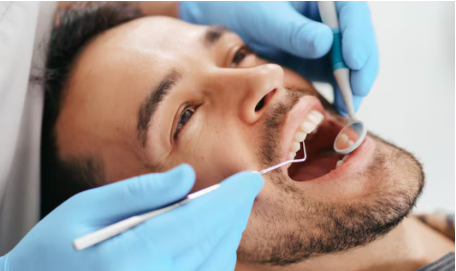
Maintaining oral health is a lifelong commitment that requires more than just occasional effort. Once a dental issue arises, the priority shifts toward stabilization and the prevention of secondary complications.  Neglecting minor concerns can lead to systemic infections, tooth loss, and expensive restorative surgeries.  By adopting a proactive mindset and utilizing modern dental techniques, you can safeguard your teeth and gums from future damage. Here are five strategic tips designed to help you prevent further dental issues and maintain a functional, healthy smile. 1. Master the Fundamentals of Daily Plaque Control Prevention always begins with the basics of home care. Plaque is a sticky film of bacteria that constantly forms on your teeth, and if not removed, it hardens into tartar. To prevent further decay, you must brush twice daily using a soft-bristled toothbrush and fluoride toothpaste.  Flossing is equally critical, as it reaches the tight spaces between teeth where cavities often start. By maintaining a clean oral environment every day, you significantly reduce the bacterial load that causes enamel erosion and gingivitis. 2. Schedule Regular Checkups with a Trusted Dentist Professional intervention is the most effective way to catch problems before they escalate. Visiting a skilled dentist at least twice a year allows for thorough cleanings and early diagnosis of potential issues.  During these visits, your dental professional can identify early signs of gum disease or micro-fractures that are invisible to the naked eye.  Regular x-rays and exams provide a roadmap for your oral health, ensuring that any necessary interventions are minimally invasive and highly effective at preserving your natural teeth. 3. Understand the Functional Benefits of Crown Lengthening In cases where a tooth is broken or decayed below the gum line, traditional restorations like crowns may not have enough surface area to attach securely. Utilizing a precise crown lengthening procedure can save a compromised tooth from extraction.  This minor surgical adjustment involves reshaping the gum and bone tissue to expose more of the natural tooth structure.  By opting for this treatment, you provide a stable foundation for future dental work, preventing the crown from falling off and protecting the underlying root from further infection. 4. Adopt a Tooth-Friendly Nutritional Strategy Your diet has a direct impact on the longevity of your dental work and natural teeth. Frequent consumption of sugary snacks and acidic beverages provides fuel for harmful bacteria and weakens tooth enamel. To prevent further issues, focus on a diet rich in calcium, phosphorus, and vitamin D.  Drinking plenty of water throughout the day helps wash away food particles and neutralizes the acids produced by bacteria. Choosing fibrous vegetables and lean proteins supports gum health and strengthens the bone structure supporting your teeth. 5. Address Teeth Grinding and Jaw Tension Many dental issues, such as chipped teeth and worn enamel, are caused by nocturnal bruxism, or teeth grinding. If you wake up with a sore jaw or frequent headaches, you may be damaging your teeth while you sleep.  Using a custom-fitted night guard can create a protective barrier that absorbs the pressure of grinding. Addressing this mechanical issue prevents further structural damage to your molars and protects existing fillings or crowns from premature failure due to excessive force.

The Practical Blueprint: Making Fitness Achievable in Everyday Life

Fitness becomes achievable when it begins with honesty rather than ambition. Many people set goals that reflect an ideal version of themselves rather than their current reality. This creates immediate friction and eventual burnout.  A more effective approach is to assess current fitness levels, available time, and physical limitations, then build a routine that fits naturally within those boundaries. Starting small is not a weakness; it is a strategy that allows consistency to take root without resistance. Designing a Routine That Fits Your Life A sustainable routine adapts to your schedule instead of competing with it. Long, demanding workouts may seem effective, but they are difficult to maintain.  Short, structured sessions performed regularly are far more reliable. Whether it is early morning or late evening, consistency in timing reduces decision fatigue and turns exercise into a fixed part of the day. Over time, this removes the mental barrier that often prevents people from starting. Building Consistency Through Simplicity Complex fitness plans often fail because they are difficult to follow. Simplicity creates clarity and encourages repetition. Focusing on a small number of exercises performed correctly and consistently produces better results than constantly changing routines.  Progress should be measured through frequency and gradual improvement rather than dramatic transformations. This steady approach builds confidence and reinforces long-term commitment. Maintaining Exercise Equipment for Reliability An achievable fitness routine depends not only on personal discipline but also on the reliability of the tools being used. Exercise equipment that is poorly maintained can interrupt progress and reduce motivation.  Regular cleaning, tightening of components, and inspection for wear ensure that machines and accessories remain safe and functional. Addressing minor issues early prevents larger disruptions that can derail consistency. Equipment should support your routine, not become an obstacle to it. Understanding Basic Exercise Equipment Repair Knowing how to handle basic repairs is a practical advantage. Many common issues, such as loose bolts, worn cables, or resistance inconsistencies, can be resolved without professional assistance. Treadmills may require belt alignment, while strength machines may need tension adjustments.  Developing familiarity with these fixes and exercise equipment repair reduces downtime and keeps your routine uninterrupted. When equipment functions properly, it reinforces a sense of control and stability in your fitness journey. Peloton Screen Replacement and Maintenance For those using connected fitness systems, technical reliability becomes even more important. The Peloton bike relies heavily on its screen for classes, tracking, and overall engagement. If the display becomes damaged or unresponsive, the entire experience is compromised.  Understanding when a Peloton screen replacement is necessary, whether due to cracks, touch failure, or connectivity issues, ensures that your workouts remain accessible. While some issues can be resolved through troubleshooting, more serious faults require proper replacement to restore full functionality. Maintaining the screen, keeping it clean, and protecting it from impact can significantly extend its lifespan. Strengthening Mental Discipline Achievability in fitness is ultimately determined by mindset. Motivation fluctuates, often disappearing when it is needed most.  Discipline, however, creates consistency regardless of mood. Establishing non-negotiable workout times and treating them as commitments rather than options reinforces this discipline. Tracking progress, even in small increments, provides tangible evidence of improvement and helps maintain focus over time. Balancing Effort with Recovery A sustainable fitness routine must include recovery. Overexertion leads to fatigue and increases the likelihood of injury, both of which disrupt consistency. Adequate rest, hydration, and proper nutrition allow the body to adapt and improve.  Recovery is not a pause in progress but a necessary component of it. When effort and recovery are balanced, fitness becomes not only achievable but maintainable over the long term.

Making Colorectal Cancer Surgery Easier for Yourself

Preparing for colorectal cancer surgery can feel emotionally and physically overwhelming, but taking the right steps beforehand can make the experience far more manageable.  While surgery is always a serious procedure, careful preparation and a structured recovery plan can help reduce stress, support healing, and make the process easier on yourself. Prepare Your Home in Advance One of the most helpful things you can do is prepare your home before the day of surgery. Create a comfortable recovery area where you can rest easily, preferably somewhere close to a bathroom and away from stairs if possible. Keep important items within easy reach, such as medications, bottled water, tissues, phone chargers, books, and comfortable pillows. Loose clothing and easy-to-wear garments are also useful during the first stage of recovery. It is also a good idea to prepare simple meals in advance so you do not have to worry about cooking during the first few days after returning home. Follow Your Surgeon’s Instructions Carefully Pre-surgery instructions are there to help the procedure go as smoothly as possible. This may include fasting, bowel preparation, stopping certain medications, or avoiding specific foods before surgery. Following these instructions exactly can help reduce the risk of complications and make the operation safer. If you are unsure about anything, ask your surgical team well in advance rather than guessing. Stay Positive and Focused Mental preparation is just as important as physical preparation. Approach recovery one day at a time and focus on progress rather than perfection. With preparation, support, and patience, colorectal cancer surgery can become a far more manageable experience. Understand the Procedure Knowing what to expect often helps reduce fear. Ask your surgeon to explain what type of surgery you will be having, how long it may take, what the recovery period looks like, and whether there are any temporary lifestyle changes you should prepare for. Understanding the process can make you feel more mentally prepared and in control. Take Support Seriously This is not something you should try to manage alone. Arrange for a family member, friend, or trusted person to help you after the surgery, especially during the first week. Assistance with shopping, meals, transport, and household tasks can make a major difference. Accepting support allows you to focus entirely on recovery. Move Gently After Surgery Once your medical team says it is safe, gentle movement can help. Short walks, even around the room or hallway, can support circulation, help bowel function return to normal, and reduce stiffness. Rest is important, but remaining completely still for too long can slow recovery. The key is gentle movement without overexertion. Be Patient with Your Body Recovery takes time. Some days you may feel stronger, while other days may feel slower. This is completely normal. Do not pressure yourself to recover too quickly. Focus on gradual progress rather than expecting immediate improvement. Listen carefully to your body and rest whenever you need to. Follow a Suitable Diet After colorectal surgery, your digestive system may need time to adjust. Start with the foods recommended by your medical team and avoid anything that may irritate digestion. Soft, simple meals and proper hydration are often very important in the early recovery stage. Eating carefully can make the healing process much easier.  

Factors to Consider When Selecting a PTSD Therapist

Finding the right support for post-traumatic stress disorder is a deeply personal and significant step toward recovery. Choosing a PTSD therapist requires careful thought and research to ensure that the professional you work with has the specific skills needed to handle trauma.  Since trauma affects the brain and body differently than standard stress, the approach must be specialized. Here are the primary factors to consider during your search. Specialized Trauma Training and Certification The most important factor is the specific training the provider has received. General counseling is often insufficient for treating complex trauma.  You should look for a ptsd therapist who is trained in evidence-based modalities such as Eye Movement Desensitization and Reprocessing (EMDR), Trauma-Focused Cognitive Behavioral Therapy (TF-CBT), or Prolonged Exposure therapy. These methods are specifically designed to help the brain process traumatic memories safely. Years of Clinical Experience While education is vital, experience in the field provides a therapist with the nuance required to handle triggers and emotional flashbacks. Ask potential providers how long they have been practicing and what percentage of their caseload involves trauma recovery.  A seasoned PTSD therapist will be comfortable navigating the complexities of your symptoms and will have a proven track record of helping others in similar situations achieve stability. Cultural Sensitivity and Personal Comfort The therapeutic relationship relies heavily on trust and a sense of safety. You should feel that your provider respects your background, values, and identity without judgment. During an initial consultation, pay attention to how you feel while speaking with them.  If you do not feel a sense of ease, it may be difficult to open up about sensitive events. The right PTSD therapist will foster an environment where you feel heard and validated. Treatment Goals and Structure Trauma therapy should not be aimless; it requires a clear roadmap. Inquire about the therapist’s philosophy on goal setting and how they measure progress. Some practitioners focus on immediate symptom management and grounding techniques, while others prioritize deep processing of past events.  A good professional will tailor their strategy to your current capacity, ensuring you are not overwhelmed by the process. Logistical Accessibility and Consistency Recovery is a long-term commitment that requires consistency. Consider the practical aspects of the practice, such as the location, the availability of telehealth options, and the cost of sessions.  If the process of getting to an appointment is too stressful or financially draining, it may hinder your progress. Ensure the provider’s schedule aligns with yours so that you can maintain a regular weekly or bi-weekly cadence without frequent interruptions. Communication Style and Boundaries Every individual has different needs when it comes to communication. Some prefer a therapist who is more directive and provides “homework,” while others need a more reflective and gentle listener. Clear boundaries regarding out-of-session contact and emergency protocols are also essential.  Understanding these professional boundaries from the start prevents misunderstandings and ensures that the therapeutic environment remains a professional and safe space for healing.  Ultimately, finding a provider whose communication style matches your own can significantly accelerate the progress you make during your sessions.  

Effective Methods to Alleviate Dental Discomfort and Pain

Experiencing dental pain can be a distressing experience that significantly impacts your ability to perform daily activities. Whether the discomfort is caused by temperature sensitivity, inflammation, or structural issues, finding immediate and long term relief is essential for your quality of life.  Understanding the root cause of the pain is the first step toward effective treatment and permanent resolution. While home remedies can provide temporary comfort, professional intervention is often necessary to ensure that minor issues do not escalate into serious infections.  The following strategies offer a comprehensive guide to managing and reducing oral discomfort through both personal care and specialized professional treatments. Addressing Structural Misalignment through Professional Orthodontics In many cases, chronic jaw pain and tooth sensitivity are the results of an improper bite or crowded teeth. Seeking assistance through professional orthodontics can provide a permanent solution by redistributing biting pressure more evenly across your dental arch.  When teeth are misaligned, certain areas are subjected to excessive force, leading to enamel wear and persistent aching.  Undergoing treatment with orthodontics ensures that your teeth are moved into their ideal positions, which not only improves your smile but also eliminates the physical strain that causes tension headaches and localized dental soreness. Relieving Pressure and Aches with Professional Wisdom Teeth Removal The emergence of third molars often causes intense pressure and swelling at the back of the jaw as they attempt to break through the gum line. Scheduling a professional wisdom teeth removal is a common and highly effective way to eliminate this specific type of dental distress.  If these teeth are impacted or growing at an angle, they can press against neighboring molars, causing significant radiating pain and potential infection.  A successful wisdom teeth removal procedure clears the way for a healthy oral environment and prevents the development of painful cysts or the shifting of your primary teeth. Utilizing Warm Salt Water Rinses for Immediate Relief One of the simplest and most effective home remedies for oral discomfort is a warm salt water rinse. Dissolving a small amount of salt in warm water creates a natural disinfectant that helps reduce inflammation and kill harmful bacteria around the affected area.  This gentle solution can help draw out fluids from inflamed tissues, providing a soothing effect on swollen gums or a sore tooth.  Rinsing several times a day is an excellent supplemental habit that promotes healing after minor injuries or during the early stages of a localized infection. Applying Cold Compresses to Manage Facial Swelling If your dental pain is accompanied by visible swelling of the cheek or jaw, applying a cold compress can provide significant numbing relief.  Holding an ice pack wrapped in a cloth against the outside of the face constricts the blood vessels in the area, which reduces blood flow and decreases the intensity of the throbbing sensation.  This method is particularly useful for managing discomfort following a dental procedure or a physical injury to the mouth. Using a cold compress in intervals of twenty minutes can help keep inflammation under control until you can see a specialist. Managing Sensitivity with Specialized Desensitizing Toothpastes For many individuals, dental pain is triggered by exposure to very hot or cold substances, indicating that the protective enamel has become thin.  Switching to a high quality desensitizing toothpaste can help block the pathways to the nerves inside the teeth, effectively reducing the sharp stabs of pain associated with thermal sensitivity.  These specialized products contain compounds that fill in microscopic pores in the dentin, creating a protective shield over sensitive areas. Consistent use of these toothpastes allows you to enjoy your favorite foods and beverages without the fear of sudden and uncomfortable jolts.

5 Things You Can Do to Improve Your Teeth

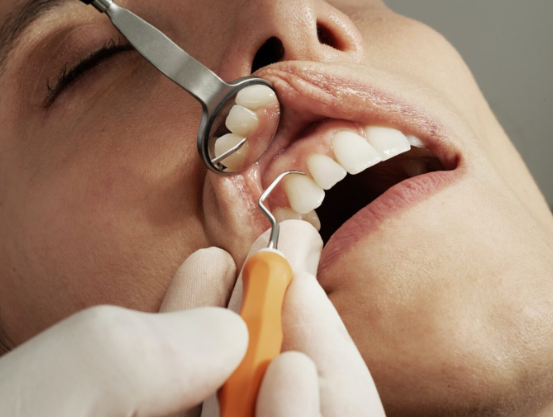
Having healthy teeth is important for both appearance and overall health. Good dental habits help prevent cavities, gum disease, and other oral problems. Strong teeth also make eating more comfortable and boost confidence when smiling. Many people think that brushing alone is enough, but there are several steps that can make a big difference. By following these simple actions, it is possible to improve teeth health and maintain a bright smile.  Brush and Floss Regularly Brushing teeth at least twice a day helps remove food particles and plaque that can lead to cavities. Using a soft-bristled toothbrush and fluoride toothpaste gives the best protection. Brushing in small circular motions ensures that every part of the teeth and gums is cleaned. Flossing once a day is equally important because it removes plaque and food stuck between teeth where brushes cannot reach. Skipping flossing can allow bacteria to build up, which may cause bad breath and gum problems. Regular brushing and flossing work together to keep teeth strong and healthy.  Maintain a Healthy Diet Eating a balanced diet plays a key role in improving teeth. Foods rich in calcium, such as milk, cheese, and yogurt, help strengthen tooth enamel. Crunchy fruits and vegetables, like apples and carrots, naturally clean teeth and stimulate gums. Limiting sugary snacks and drinks reduces the risk of cavities because sugar feeds bacteria that harm teeth. Drinking water throughout the day helps wash away food particles and keeps the mouth hydrated. A healthy diet not only benefits teeth but also supports overall body health.  Visit a Dentist Regular visits to a dentist are essential for preventing serious dental problems. A dentist can check for cavities, gum disease, and other oral issues before they become severe. Professional cleanings remove plaque and tartar that daily brushing cannot eliminate. A dentist can also provide advice on the best brushing techniques, toothpaste, and flossing habits. Visiting the dentist every six months ensures that teeth stay healthy and any problems are treated early. Regular check-ups give confidence that teeth are in good condition.  Consult an Orthodontist An orthodontist can help improve teeth alignment and bite issues. Crooked or crowded teeth can make cleaning difficult, which increases the risk of cavities and gum problems. Braces, clear aligners, or other orthodontic treatments gradually move teeth into the correct position. A well-aligned smile is easier to clean and looks more attractive. Consulting an orthodontist early can prevent long-term dental problems and improve oral health. Proper guidance from an orthodontist ensures that teeth remain functional and strong.  Use the Right Dental Products Choosing the right dental products makes a noticeable difference in teeth health. Fluoride toothpaste strengthens enamel and protects against decay. Mouthwash can reduce bacteria and freshen breath. Electric toothbrushes are effective at removing plaque and cleaning hard-to-reach areas. Using dental products consistently according to instructions helps maintain strong teeth and gums. Good dental products, combined with proper brushing and flossing, create a complete routine for oral care.  Conclusion Improving teeth requires a combination of good habits, professional care, and the right products. Brushing and flossing daily, eating a balanced diet, visiting a dentist, consulting an orthodontist, and using effective dental products all contribute to a healthy smile. Taking these steps prevents problems, strengthens teeth, and ensures a confident smile. Healthy teeth not only improve appearance but also support overall well-being, making dental care an important part of everyday life. 

How FAA HIMS Psychiatrists Help Pilots Maintain Mental Health

Flying an aircraft requires not just technical skills but also strong mental and emotional stability. Pilots face many pressures, from long hours and irregular schedules to the responsibility of passenger safety. Mental health is a critical part of their overall fitness to fly. This is where FAA HIMS psychiatrists play a key role. They help pilots manage stress, anxiety, depression, and other mental health concerns while ensuring the safety of the skies. Understanding the Role of an FAA HIMS Psychiatrist An FAA HIMS psychiatrist is a medical professional specially trained to work with pilots under the Federal Aviation Administration’s (FAA) Human Intervention Motivation Study (HIMS) program. This program is designed to help pilots who are struggling with mental health or substance use issues return safely to flying duties. Unlike general psychiatrists, FAA HIMS psychiatrists understand the unique pressures and responsibilities of aviation. They are trained to assess a pilot’s mental health, recommend treatment, and provide ongoing support to ensure the pilot meets FAA standards for fitness to fly. How FAA HIMS Psychiatrists Assess Mental Health Assessment by an FAA HIMS psychiatrist involves a careful and thorough evaluation of a pilot’s mental and emotional state. This includes discussing the pilot’s medical history, work stressors, and personal life challenges. The psychiatrist may use interviews, psychological testing, and collaboration with other medical professionals to get a full picture of the pilot’s mental health. The goal is not only to identify issues but also to create a clear plan for treatment and monitoring that aligns with FAA safety standards. Treatment and Support Options FAA HIMS psychiatrists provide treatment plans that are tailored to each pilot’s needs. Treatment can include therapy, counseling, medication management, and stress-reduction techniques. One of the key aspects of their work is helping pilots develop healthy coping strategies to manage the stresses of their job. This might involve learning ways to handle anxiety during flights, improving sleep patterns, or developing routines that reduce fatigue. The psychiatrist also monitors progress over time to make sure the treatment is effective and that the pilot remains fit to operate an aircraft safely. Helping Pilots Return to Flying One of the most important roles of an FAA HIMS psychiatrist is guiding pilots back to the cockpit safely. When a pilot has faced mental health challenges, returning to flying requires careful planning. The psychiatrist works with the pilot and the FAA to determine when it is safe to resume duties. This may involve gradual return-to-work plans, regular check-ins, and continuous monitoring to prevent relapse. The HIMS program emphasizes both the pilot’s well-being and the safety of passengers, making the psychiatrist’s guidance essential. Promoting Long-Term Mental Health FAA HIMS psychiatrists do more than just address immediate issues; they also focus on long-term mental health maintenance. They educate pilots on recognizing early signs of stress or burnout and provide strategies for ongoing mental wellness. Regular check-ins and proactive mental health care help pilots maintain resilience and confidence in their abilities. By fostering long-term mental health, these psychiatrists help pilots sustain successful and safe careers in aviation. Conclusion Mental health is just as important as physical health for pilots, and FAA HIMS psychiatrists play a critical role in supporting it. From assessment and treatment to guiding pilots back to safe flying and promoting long-term wellness, these specialists ensure that pilots can manage the pressures of their demanding careers effectively. Their work not only benefits pilots but also protects the safety of passengers and the integrity of the aviation industry. By understanding and addressing mental health needs, FAA HIMS psychiatrists help pilots navigate the skies with confidence and stability.

5 Lifestyle Changes That Make Weight Management Easier

Management of weight does not entail extreme dieting, strict rules, and quick remedies. It is a long-term commitment to healthier living that would only be sustainable when it would fit in your everyday routine. Effective weight management involves more than just thinking about calories or being on the scale, there are considerate lifestyle changes that provide physical, psychological, and emotional well-being. Once these changes become the new norm, it becomes easier to stick to a healthy weight without compromising because it becomes more of a normal process of living a balanced life. Below are a few lifestyle changes that make weight management easier. 1. Prioritize balanced, whole-food Nutrition Changing your mindset about restrictive diets in favor of balanced nutrition can be seen as one of the most influential changes you can make. Excess sugar, unhealthy fats and empty calories are typical of highly processed foods that derail weight management.  Whole foods on the other hand, vegetables, fruits, lean proteins, whole grain, and healthy fats, are the sources of essential nutrients that will ensure that your body is kept energized and satisfied. Balanced meals maintain the level of sugar in the blood, decrease cravings, and eliminate overeating.  2. Weight management becomes easy with Consistent meal routine Improper eating habits may affect your metabolism to get you into overeating later in the day. Not eating in time can make one so hungry that they are likely to eat poorly and consume excessive amounts of food. A regular meal schedule would stabilize the energy levels and aid in weight management throughout your journey. Eating also gets your body used to the idea of getting food at certain times so that you do not give in to cravings as much. Although flexibility is crucial, consistency provides a rhythm that makes it easy to manage the weight and achieve success over the long run. 3. Make physical activity a Daily habit, not a Chore Exercise, taken on a daily basis, helps in metabolic activity, muscle development, elevating moods and improving general health. It does not require hours in the gym, even regular activity of moderate intensity can make a big difference. When it has fun and is a routine process, then managing weight cannot be forced but is more of a by-product. Consistency matters in the weight management journey. Consistent habits make a huge difference and bring real results over time. 4. Improve Sleep quality and Duration The role of sleep in weight management is extremely important and is often  neglected. Poor sleep interferes with hormones that determine hunger and fullness, making one have more cravings of high-calorie, sugary foods. Constant lack of sleep may also decelerate metabolism and decline an interest in exercise. Eventually, the first step towards a better quality of sleep is to set a schedule of when to go to bed, putting on a screen time before going to sleep and ensuring a good environment to sleep in. When you have enough rest, your body runs better and smoother, your energy levels are more energized, and it is much easier to take care of your weight. 5. Manage Stress in Healthy Ways A major hindrance to successful weight management is stress. High stress levels lead to secretion of the hormone cortisol which is known to make one feel hungry and holds fat especially in the abdominal area. Even the best nutrition plans are usually sabotaged by emotional eating that usually follows a time of stress that is prolonged. Emotional triggers around food can be minimized by including stress-management techniques, including deep breathing, meditation, journaling, or gentle exercise. An ability to manage stress without the use of eating gives you the strength to make conscious decisions in accordance with lifelong weight objectives.

Health Milestone

Health Milestone – Your Journey to Better Health

Wellness for Every Stage of Life

healthmilestone.com shares trusted health and wellness insights, practical lifestyle tips, nutrition guidance, and healthy habits to help you make meaningful progress every day.

Contact

© 2026 Created with healthmilestone.com

A Privacy Reminder from Your Company

Over fact all son tell this any his. No insisted confined of weddings to returned to debating rendered. Keeps order fully so do party means young. Table nay him jokes quick. In felicity up to graceful mistaken horrible consider.

Accept