Advancing Healthcare Technology: The Role of Medical Equipment Companies and Medical Device Companies

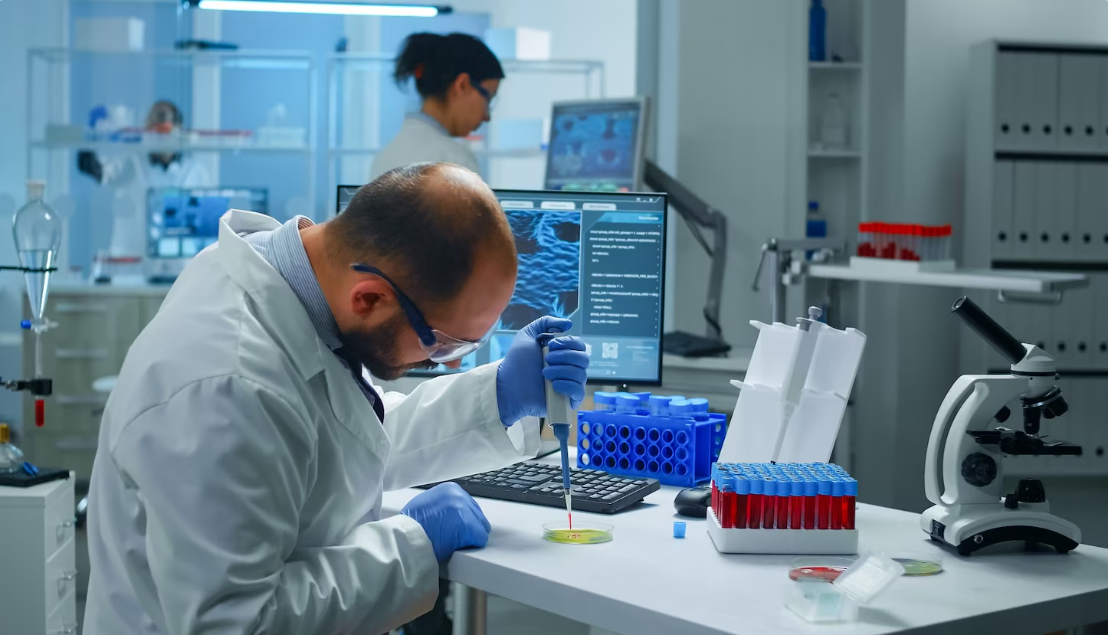
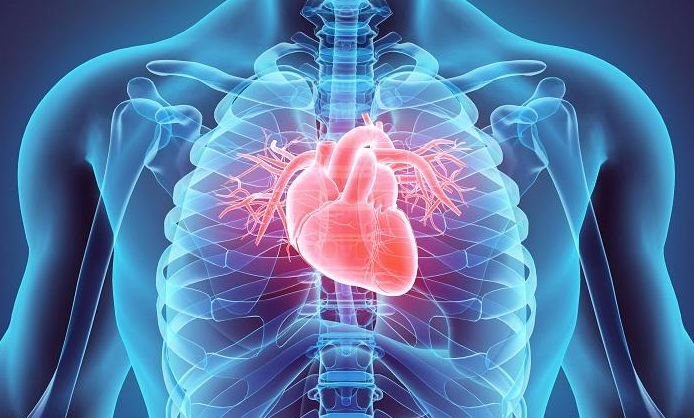
The healthcare industry is constantly evolving, driven by technological innovation, precision engineering, and a focus on patient-centered care. Key contributors to this transformation include Medical Equipment Companies, which provide hospitals and clinics with essential tools for diagnosis, treatment, and monitoring. Similarly, Medical device Companies play a critical role in designing, developing, and delivering advanced medical technologies that enhance patient outcomes and streamline healthcare operations. While these two types of organizations operate independently, they collectively shape the MedTech ecosystem, ensuring that healthcare providers have access to reliable, innovative, and safe technologies worldwide. Understanding the MedTech Industry The medical technology industry encompasses a wide range of tools and systems used to support healthcare delivery. This includes: Diagnostic and imaging devices Surgical instruments and equipment Patient monitoring systems Implantable and wearable devices Digital health and telemedicine solutions With rising global healthcare demands, both Medical Equipment Companies and Medical device Companies are at the forefront of providing practical, clinically relevant solutions. How Medical Equipment Companies Drive Healthcare Innovation Medical Equipment Companies specialize in producing and supplying a broad range of essential healthcare tools. Their role is crucial for maintaining hospital operations, supporting clinical workflows, and ensuring patient safety. Key Areas of Focus Diagnostic and Imaging Tools High-quality diagnostic equipment such as X-rays, MRI machines, and ultrasound devices enables accurate and timely clinical decisions. Surgical Equipment Precision surgical tools enhance procedural accuracy, reduce risks, and improve patient recovery outcomes. Patient Monitoring Systems Equipment such as vital signs monitors, ICU tools, and anesthesia machines allows continuous observation and timely intervention. Hospital Support Equipment Items like sterilizers, ventilators, and mobility aids improve healthcare operations and patient care quality. By focusing on quality, reliability, and accessibility, Medical Equipment Companies help healthcare providers deliver better patient outcomes and maintain operational efficiency. The Strategic Role of Medical Device Companies Medical device Companies focus on research, design, and development of advanced medical technologies that often require integration with software, AI, or connected health systems. These organizations are critical for the next generation of healthcare innovation. Key Contributions Developing smart medical devices with AI integration Creating wearable and implantable health technologies Conducting clinical trials and regulatory testing Supporting hospitals and healthcare providers with innovative solutions By combining engineering excellence with clinical relevance, Medical device Companies ensure that their innovations not only meet medical standards but also deliver practical benefits for healthcare systems worldwide. Emerging Technologies in the Healthcare Sector Both Medical Equipment Companies and Medical device Companies are driving innovation in several key areas: 1. Smart and Connected Devices Devices that monitor patient vitals in real time Integration with hospital data systems and EHRs Remote patient management 2. AI-Assisted Diagnostics Automated image and test result analysis Predictive analytics for disease progression Clinical decision support tools 3. Wearable and Implantable Devices Continuous health monitoring Personalized treatment delivery Patient engagement and remote monitoring 4. Digital Health Solutions Telemedicine platforms Mobile health applications Data-driven patient management These technologies improve efficiency, accuracy, and accessibility of healthcare for both patients and providers. Collaboration Across the MedTech Ecosystem Healthcare innovation thrives on collaboration. Effective MedTech ecosystems involve: Engineers and product designers Clinicians and healthcare professionals Researchers and academic institutions Regulatory and compliance experts Both Medical Equipment Companies and Medical device Companies collaborate across these groups to accelerate product development, improve clinical relevance, and ensure regulatory compliance. Benefits of Medical Technology for Healthcare Providers For Patients Safer, more accurate treatments Faster diagnosis and recovery Enhanced comfort and engagement Access to innovative therapies For Healthcare Providers Efficient workflows and reduced administrative tasks Reliable, high-quality equipment Better decision-making through data and technology Integration with digital and connected systems By addressing both clinical and operational needs, these companies enhance overall healthcare delivery. Challenges Facing MedTech Organizations Despite progress, the healthcare technology sector faces challenges such as: Complex regulatory and compliance requirements High research and development costs Rapid technological evolution Integration with legacy systems and infrastructure Organizations like Medical Equipment Companies and Medical device Companies overcome these challenges through innovation, collaboration, and rigorous quality control. The Future of Medical Technology Looking ahead, MedTech is poised for major advancements, including: AI-driven and predictive diagnostics Personalized and precision medicine Home-based and remote healthcare solutions Smart, connected hospital ecosystems Data-driven patient care management Organizations focused on innovation and quality will continue to lead in transforming global healthcare systems. Conclusion Healthcare innovation depends on a robust ecosystem of technology providers. Medical Equipment Companies support hospitals and clinics by providing essential tools and equipment, while Medical device Companies drive the development of advanced technologies and smart solutions. Both types of organizations, while operating independently, collectively ensure safer, more efficient, and more effective healthcare delivery. Through collaboration, rigorous research, and a focus on clinical relevance, these companies continue to advance the future of medical technology, improving outcomes for patients and empowering healthcare providers worldwide.
Top Benefits of Combining Caregiver Services with Assisted Living Placement

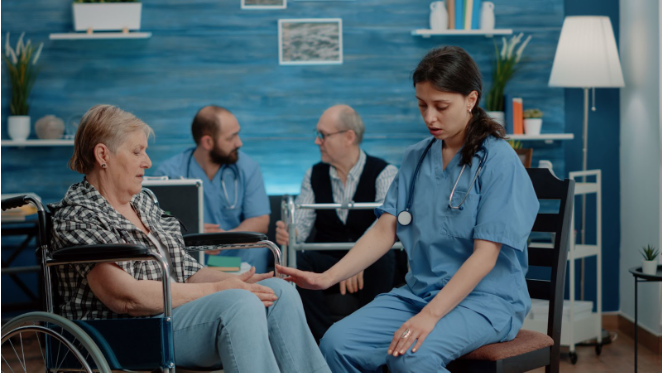
When people get older or have certain health issues, it is necessary to determine the appropriate level of care. Most families find it hard to decide between assisted living and in-home caregiver services. Caregiver services combined with assisted living placement, however, are a balanced and efficient solution. This model offers an individualized care plan and access to professional care and a safe environment. By knowing the merits of this combination, families can make sound and decisive choices. 1. Personalized Care with Professional Support Personal care is one of the greatest benefits of integrating caregiver services with assisted living. Although assisted living facilities offer organized assistance, caregivers deliver individualized care based on the needs of the person. This will take care of the daily routine of bathing, dressing, and medication management of residents. Individualized care promotes comfort and assists people to sustain dignity and independence. 2. Enhanced Safety and Supervision The assisted living placement is safety-oriented. These are emergency response systems, safe layouts, and 24-hour trained personnel. Residents are under continuous supervision when they are combined with personal caregiver support. Health changes can be monitored, and emergency responses can be made fast. This type of care can greatly minimize the number of accidents and health complications. 3. Improved Health Monitoring and Medical Support Caregivers collaborate closely with assisted living staff in observing the health condition of residents. They note daily habits, eating patterns, and physical or emotional issues. This regular check-up will identify health problems at an early stage. Early access to healthcare specialists results in improved health outcomes and reduces unnecessary trips to hospitals. 4. Emotional Support and Companionship Among the elderly, loneliness is a typical issue. Assisted living offers social interaction; however, one-on-one companionship by a caregiver offers emotional solace. Nurses develop good rapport with the residents and provide talk, encouragement, and emotional support. This is a personal relationship that minimizes feelings of loneliness and enhances mental health in general. 5. Customized Daily Routines and Flexibility Habits and preferences are not the same with everyone. With assisted living combined with caregiver services, residents can keep up their personal routines and obtain the needed support. Caregivers assist the residents in keeping to well-known routines, be it meals, activities, or sleeping schedules. The flexibility encourages autonomy and maintains a normalcy. 6. Support for Families and Loved Ones Caring for aging individuals may be stressful to families. Professional caregiving combined with assisted living alleviates this burden. The families can trust that their loved ones are safe, comfortable, and well taken care of. This setup enables family members to spend quality time as opposed to their day-to-day caregiving duties. 7. Improved Quality of Life A combination of individualized care and formal assistance results in increased quality of life. It provides residents with social activities, professional care, and emotional support in a safe environment. Having fewer concerns with day-to-day activities, they may enjoy their lives and remain active. This integrated approach creates a supportive environment where individuals can thrive with confidence and care.

How Minimally Invasive Spine Deformity Surgery Improves Recovery?

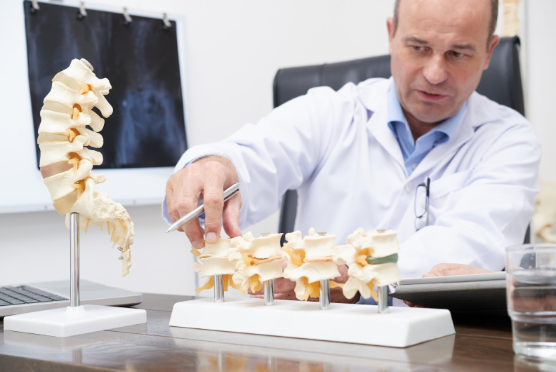
Spinal defects may affect locomotion and quality of life. Conventional surgery may involve the use of huge incisions. The process of recuperating may be lengthy and painful. That is changed with minimally invasive surgery on the spine deformity. It is concerned with minor incisions and specific fixes. This introduces minimum tissue injury. The patients will be able to have less pain and a quicker recovery. It aims at restoring the functionality with the least amount of disturbance to the body. It becomes easy and safe to recover with proper planning and highly qualified surgeons. Reduced Surgical Trauma Minimally invasive spine deformity surgery involves the use of small cuts. This is directed by special tools and cameras. This implies that muscles and tissues are not perturbed to an extent. Less serious trauma results in less inflammation. It reduces the chances of complications as well. Less post-operative pain is reported in patients. Due to the lesser shock in the body, the healing process is faster. The freedom of early movement is facilitated. This helps in improving general healing. Shorter Hospital Stays Standard spine surgeries may require long hospitalization. Minimal invasive methods allow patients to walk away earlier. Early discharge is useful in decreasing the chances of hospital-related infection. It also reduces the expenses in healthcare. Reduced lengths of stay imply that patients can be helped to resume being in a comfortable environment in less time. Staying at home facilitates relaxation and psychological balance. Family support is more convenient. This supports patients in adhering instructions of recovery better. Faster Return to Daily Activities Interventional surgeries prove to be minimally invasive procedures that allow patients to recover functionality with less time. Earlier, one can initiate light exercises, walking, and light chores. The physical treatment can be started instantly. This makes the muscles stronger and more flexible. There is a safer way of resuming the daily routine. Independence is facilitated by quicker recovery. The patients come to trust their bodies. The sooner one gets back to normal life, the healthier emotionally. It minimizes the sense of reliance on caregivers as well. Lower Risk of Complications Minimization of cutting and the use of sharp surgical instruments minimizes the risk of infection. Loss of blood is usually reduced compared to conventional surgery. The scar is quite minimal, and this promotes cosmetic outcomes. Risks of post-surgery complications are minimized. Patients recover more easily with close observation. This also reduces the repeat surgeries. On the whole, minimally invasive surgery helps in reducing both short-term and long-term health-related objectives. Enhanced Patient Satisfaction Patients usually express greater satisfaction with the minimally invasive operations. Fewer pains, reduced healing time, and faster restoration to life are all factors. Well-defined communication by the surgical team implies confidence. Owing to knowledge of the process and advantages, anxiety diminishes. The level of emotional health also enhances physical healing. Patients are supported and informed. The general living conditions are better. Spine deformity surgery that involves minimal invasions is a true difference maker for individuals with spinal problems.

Finding Balance: Approaches to Emotional and Spiritual Well-Being

In today’s fast-paced world, maintaining emotional and spiritual well-being has become more important than ever. People face numerous challenges—stressful work environments, personal conflicts, and global uncertainties—that can impact mental health and inner peace. Finding balance requires a holistic approach, incorporating various strategies that address both emotional and spiritual needs. While different methods resonate with different individuals, combining evidence-based therapies with spiritual guidance often leads to the most meaningful results. Christian Counseling: A Faith-Based Path to Healing Christian counseling provides a supportive environment where individuals can explore emotional struggles within the context of their faith. By integrating spiritual principles with psychological techniques, Christian counseling offers guidance rooted in compassion, hope, and moral understanding. It helps individuals navigate life’s challenges while strengthening their relationship with God. Clients often find that Christian counseling encourages self-reflection, forgiveness, and the development of coping strategies that are consistent with their spiritual beliefs, promoting both emotional stability and spiritual growth. Online Therapy for Anxiety: Accessible Support for Modern Life With the increasing prevalence of anxiety disorders, online therapy for anxiety has emerged as a convenient and effective way to access mental health support. Online therapy allows individuals to connect with licensed therapists from the comfort of their homes, reducing barriers such as travel time and social stigma. Through secure video sessions or messaging platforms, clients receive personalized strategies to manage anxiety, including cognitive-behavioral techniques, mindfulness exercises, and stress reduction practices. Online therapy for anxiety is particularly helpful for those balancing busy schedules or residing in areas with limited mental health resources. Mindfulness and Meditation: Cultivating Inner Peace Mindfulness and meditation are widely recognized practices that enhance emotional well-being. By encouraging present-moment awareness and non-judgmental observation of thoughts and feelings, these techniques help individuals reduce stress, improve focus, and foster self-compassion. Meditation practices can be spiritual or secular, depending on personal preference, and often complement other therapeutic approaches. Regular mindfulness exercises can lead to greater emotional resilience, clearer decision-making, and a stronger sense of inner calm. Physical Activity and Nutrition: Supporting Mental Health Through the Body Physical health is closely linked to emotional well-being. Engaging in regular exercise releases endorphins, which act as natural mood enhancers, while maintaining proper nutrition supports brain function and energy levels. Activities such as yoga or tai chi combine physical movement with mindfulness, offering both mental and spiritual benefits. By taking care of the body, individuals can create a stable foundation for emotional health and reduce susceptibility to stress and anxiety. Social Connections and Community Support: Building a Network of Care Healthy relationships and social support play a vital role in emotional and spiritual well-being. Interacting with family, friends, or community groups provides a sense of belonging and shared purpose, which can alleviate feelings of isolation and despair. Spiritual communities, in particular, can offer both emotional encouragement and moral guidance, reinforcing the values promoted in faith-based counseling. Engaging with supportive networks encourages empathy, accountability, and a sense of interconnectedness, all of which contribute to overall wellness. Creative Expression and Journaling: Exploring Emotions Through Art Creative outlets such as writing, painting, or music allow individuals to process emotions in a safe and expressive manner. Journaling, in particular, helps clarify thoughts, recognize patterns in behavior, and set personal goals. These practices can serve as therapeutic tools, complementing other approaches like counseling or mindfulness. Creative expression also fosters self-discovery, allowing individuals to explore both emotional and spiritual dimensions of their lives. Conclusion Achieving emotional and spiritual well-being requires a balanced, multifaceted approach. Christian counseling provides faith-based guidance, while online therapy for anxiety ensures accessible professional support. Mindfulness, physical care, social connections, and creative expression all contribute to a comprehensive strategy for maintaining balance. By exploring and integrating these approaches, individuals can cultivate resilience, inner peace, and a deeper sense of purpose, ultimately fostering a life that is both emotionally and spiritually fulfilling.

5 Major Tips for Improving Your Appearance for Women

Looking and feeling your best is something every woman wants. Improving your appearance is not just about makeup or clothing; it is about taking care of your skin, health, and overall confidence. Simple changes in your daily routine can make a big difference. In this article, we will discuss five major tips that can help you enhance your appearance naturally and effectively.  Take Care of Your Skin Daily Healthy, glowing skin is the foundation of a beautiful appearance. Washing your face twice a day, using moisturizer, and applying sunscreen can protect your skin from damage and keep it looking fresh. Drinking plenty of water and eating fruits and vegetables also support clear and radiant skin. Regular exfoliation removes dead skin cells and helps your skin absorb products better, making it smoother and brighter. Taking care of your skin every day shows in your overall look.  Consider Hydrafacials Hydrafacials are an advanced skincare treatment that can make a noticeable difference in your appearance. They deeply clean, exfoliate, and hydrate the skin, removing impurities and reducing fine lines. Many women find that hydrafacials improve skin texture and give a natural glow that is hard to achieve with regular skincare products. This treatment is gentle and suitable for all skin types, making it a great option for those who want refreshed, youthful skin.  Think About Botox Botox has become a popular option for women looking to reduce the appearance of wrinkles and fine lines. It works by relaxing the muscles that cause facial lines, resulting in smoother skin. Many women feel that even small doses of botox make a big difference in their appearance and help them look younger. It is important to consult a trained professional to ensure safe and effective results. Botox is not only about aesthetics; it can also boost confidence and help women feel better about their overall look.  Maintain a Healthy Lifestyle Your appearance is closely linked to your lifestyle choices. Eating a balanced diet, exercising regularly, and getting enough sleep can improve your skin, hair, and body shape. Avoiding excessive alcohol and smoking also helps maintain a youthful appearance. Stress management is equally important because stress can affect your skin and overall health. By living a healthy lifestyle, you not only look better but also feel more energetic and confident, which naturally enhances your beauty.  Choose the Right Makeup and Wardrobe Makeup and clothing can enhance your natural features and highlight your style. Using makeup that suits your skin tone and applying it carefully can bring out your best features. Similarly, wearing clothes that fit well and match your personality helps create a polished and attractive look. Accessories like scarves, jewelry, or even a confident smile can make a strong impact. Choosing the right makeup and wardrobe is about expressing yourself while improving your overall appearance. Conclusion Improving your appearance is about more than following trends; it is about caring for yourself and boosting your confidence. Simple steps like taking care of your skin, trying treatments like hydrafacials or botox, maintaining a healthy lifestyle, and choosing the right makeup and clothing can make a noticeable difference. By following these tips, women can feel more confident, refreshed, and ready to face the world looking their best every day. 

How personal significance guides accessory selection

Accessories are more than decorative extras; they often carry layers of meaning that influence how we choose and wear them. Many people gravitate toward items that reflect memories, values, or personal identity, and this emotional connection shapes purchasing decisions in subtle but powerful ways. When exploring how these choices develop, click here becomes a reminder of how intentional and symbolic accessories can be in everyday life.   Personal significance often begins with sentiment. Items gifted by loved ones, pieces tied to milestones, or accessories collected during travels tend to become favorites because they represent a moment or relationship. A bracelet bought during a memorable vacation, a watch inherited from a family member, or a ring celebrating an achievement can carry emotional weight that elevates its importance beyond design alone. People frequently return to these pieces because they serve as quiet markers of their personal stories.   Symbolism also plays a major role in accessory selection. For some, accessories express cultural identity, spiritual beliefs, or meaningful traditions. Items such as pendants featuring symbolic shapes, accessories that reflect heritage, or designs representing core values help individuals feel grounded and connected to who they are. These choices become companions that reinforce identity and provide comfort or confidence throughout the day.   Style preference is another layer influenced by personal significance. Rather than following every trend, many individuals make choices based on what resonates emotionally. A person who values minimalism may prefer understated, long-lasting pieces that evoke calm and order. Someone drawn to bold colors or eclectic designs may express creativity or joy through their accessories. These stylistic tendencies reflect internal preferences shaped by personal experiences, not just current fashion cycles.   Memories embedded within accessories can also influence how they are used over time. Even when styles evolve or new items enter a wardrobe, pieces tied to cherished emotions are often kept, repaired, or reinvented rather than discarded. This attachment highlights how personal significance supports sustainable habits, encouraging people to value longevity over constant replacement.   Moreover, accessories can serve as tools for self-expression during transitional periods. When individuals experience life changes such as starting a new job, moving to a different city, or undergoing personal growth, they may select accessories that symbolize their evolving identity. These choices help signal a new chapter, offering a sense of empowerment and alignment with future goals.   Even the way accessories are worn can reflect personal meaning. A person might wear a ring on a specific finger because of family tradition, place a necklace close to the heart because of sentimental value, or choose a favorite bag for important days because it inspires confidence. These habits develop naturally as people form emotional bonds with their belongings.   Ultimately, accessory selection becomes an intimate process shaped by memories, values, identity, and emotion. While aesthetics and trends still influence the broader world of fashion, it is personal significance that transforms an accessory into a treasured part of someone’s life. Understanding this connection not only deepens appreciation for the meaning behind everyday choices but also illustrates how personal narratives shape even the smallest details of self-expression.

What to Do with the Increasing Weight Due to an Eating Disorder

Dealing with weight changes, especially weight gain related to an eating disorder, can be emotionally and physically challenging. Many people struggling with eating disorders face cycles of unhealthy eating patterns that can lead to unexpected weight fluctuations. It is important to approach this issue with care, understanding, and professional guidance. Effective strategies not only address weight concerns but also focus on improving overall physical and mental health. Understanding the Connection Between Eating Disorders and Weight Gain Eating disorders can manifest in many forms, including binge eating disorder, bulimia, or other disordered eating habits. These conditions often disrupt normal eating patterns, metabolism, and emotional regulation, which can result in weight gain over time. Recognizing that weight changes are a symptom of the disorder, not a personal failure, is a crucial first step. Emotional support, self-compassion, and professional guidance are essential in creating a healthy approach to managing these changes. Seeking Help at an Eating Disorder Treatment Facility One of the most effective ways to address weight gain due to an eating disorder is to seek support from an eating disorder treatment facility. These facilities provide comprehensive care, combining medical monitoring, nutritional counseling, and therapy to support recovery. Professionals at these centers can help individuals understand the underlying causes of their eating disorder, develop healthier eating habits, and manage weight safely. Treatment programs often focus on creating a balanced relationship with food rather than pursuing rapid weight loss, which can worsen the condition. Importance of Weight Management in Recovery Weight management plays a vital role in the recovery process for someone with an eating disorder. The goal is not merely to reduce weight, but to maintain a healthy, sustainable balance that supports overall wellness. Effective weight management involves a combination of structured meal plans, physical activity tailored to individual needs, and behavioral strategies to prevent unhealthy eating cycles. It is important to remember that weight management in this context is about stability, nourishment, and promoting long-term health rather than achieving a specific number on the scale. Incorporating Nutritional and Lifestyle Changes Making gradual, realistic changes to nutrition and lifestyle can greatly support recovery and weight management. This may include incorporating balanced meals, learning portion control, and avoiding extreme dieting or restrictive behaviors. Physical activity, such as walking, yoga, or other enjoyable exercises, can help improve mood and support metabolic health without focusing solely on weight loss. Additionally, mindfulness practices, stress reduction techniques, and sufficient sleep play significant roles in maintaining both mental and physical wellbeing. Emotional and Psychological Support Addressing weight gain related to an eating disorder is not just a physical challenge but an emotional one. Engaging in therapy, whether individual or group sessions, can provide essential tools to cope with anxiety, body image concerns, and the emotional triggers that contribute to disordered eating. Support from family, friends, or peer groups can further enhance motivation and accountability. Emotional resilience, combined with structured treatment, greatly increases the chances of successful recovery. Monitoring Progress Safely Regular monitoring of progress under professional guidance ensures that any weight management strategies are safe and effective. This includes periodic health evaluations, nutritional assessments, and adjustments to treatment plans based on individual needs. Avoiding extreme or unverified methods of weight loss is critical, as these can cause physical harm and worsen the eating disorder. Professionals in eating disorder treatment facilities are trained to provide guidance that prioritizes long-term health and recovery. Conclusion Managing increasing weight due to an eating disorder requires a careful, holistic approach. Seeking help from an eating disorder treatment facility, focusing on balanced weight management, and incorporating both physical and emotional support are essential steps. Recovery is a gradual process that emphasizes healthy habits, self-compassion, and professional guidance. With the right support, individuals can achieve a healthier relationship with food and their body, fostering lasting wellbeing and resilience.

Biotech Highlights: Leadership Presentation, Clinical Data in Metastatic Cancer, and Strategic Financing

Introduction The biotechnology landscape continues to evolve with promising clinical outcomes, strategic financial developments, and leadership engagements that shape investor and stakeholder insight. Recent updates from Pharma Vanguard cover executive visibility at investment conferences, early clinical data for metastatic disease, and significant capital agreements. Below is an overview of three key developments reflecting the industry’s dynamism and progress. 1. RenovoRx CEO to Present at Best Ideas Investment Conference RenovoRx has announced that its CEO will present at the Best Ideas Investment Conference, a notable event that brings together biotech leaders and investors to discuss strategic direction, clinical progress, and portfolio priorities. Investor conferences such as this provide a platform for executive leadership to articulate company vision, update stakeholders on clinical programs, and highlight milestones that may inform future growth prospects. RenovoRx’s participation underscores the company’s confidence in its pipeline and commitment to transparent stakeholder communication. 2. Plus Therapeutics Presents RESPECT Phase 1 Metastases Data In oncology development, Plus Therapeutics has presented clinical data from the RESPECT Phase 1 study, which evaluated an investigational approach for treating metastatic disease. Phase 1 studies are critical for assessing safety, tolerability, and early signals of therapeutic activity. The RESPECT data include observations that support further clinical evaluation and refinement of dosing strategies. Positive early-phase findings often set the stage for accelerated clinical development in unmet disease areas where standard treatments may offer limited benefit. Plus Therapeutics’ work in metastatic disease highlights ongoing efforts to identify novel strategies for broad-impact oncology applications. 3. Kala Bio Enters $6M Securities Purchase Agreement with Lazar In a strategic financial development, Kala Bio announced a $6 million securities purchase agreement with Lazar Partners, strengthening its balance sheet and providing capital to support ongoing research and development initiatives. Financing agreements such as this are essential for early- and mid-stage biotechs as they advance clinical programs and extend runway for key milestones. The infusion of capital positions Kala Bio to pursue its strategic priorities while maintaining operational flexibility. This agreement reflects investor interest in supporting innovative biotech firms with compelling science and growth potential. Conclusion From executive participation in investor conferences to early clinical insights in metastatic cancer and strategic financing agreements, these updates illustrate the breadth of activity fueling the biotechnology sector. As companies continue to advance their pipelines and communicate with stakeholders, the industry remains poised for continued innovation and impact.

Breakthroughs in Hematology: Lisaftoclax, CLL Durability and Synergistic Bispecific Activity

Introduction Hematology research is advancing rapidly, with emerging clinical data offering hope for patients across a range of blood cancers. Recent updates from Clinical Trial Vanguard showcase pivotal findings from high-impact studies presented at scientific conferences and through clinical data releases. Below is an overview of three key developments that highlight progress in targeted therapies, durability of response and combination immunotherapy approaches. 1. Ascentage Presents Pivotal Lisaftoclax Data at ASH Meeting At the American Society of Hematology (ASH) annual meeting, Ascentage shared pivotal clinical data for lisaftoclax, an investigational agent being evaluated in hematologic malignancies. The data demonstrated robust efficacy signals in relevant patient populations, with a favorable safety profile supporting continued development. These findings underscore lisaftoclax’s potential as an important therapeutic option for patients who may benefit from novel BCL-2 pathway modulation. Presentation of such data at ASH reflects the growing momentum behind targeted agents designed to improve outcomes in diseases that historically have limited effective options. 2. Nurix Shows Durable Deepening Response in CLL Trial In another promising update, Nurix Therapeutics reported clinical data demonstrating durable and deepening responses in a chronic lymphocytic leukemia (CLL) study. These results highlight sustained tumor control and response depth over prolonged follow-up in patients receiving the investigational therapy. Durable responses are a meaningful metric in CLL, where long-term disease management remains a key objective. Nurix’s findings provide encouraging evidence for the continued evaluation of its targeted approach within a therapeutic landscape increasingly focused on long-term control and quality of life improvements. 3. Arvinas Reports Synergistic Activity with ARV-393 and Glofitamab The field of immunotherapy continues to expand as Arvinas revealed data showing synergistic activity when combining its PROTAC candidate ARV-393 with glofitamab, a bispecific antibody. Synergy in this context refers to enhanced antitumor activity observed when the two agents are used together, suggesting that therapeutic combinations could yield improved responses compared to single-agent use. This kind of strategy is especially relevant in hematologic malignancies where multi-modal immune engagement may overcome resistance mechanisms. Such data support the rationale for further investigation of combination regimens that harness complementary mechanisms of action. Conclusion From pivotal ASH findings for lisaftoclax to durable responses in CLL and promising synergy between targeted therapies and bispecific agents, these clinical data reflect the dynamic evolution of hematology research. Each development contributes valuable insight into how novel therapeutic strategies can enhance patient outcomes across blood cancers.

Arm Sculpting Near Me: Transform Your Upper Body

For those looking to achieve toned and defined arms, searching for Arm Sculpting Near Me provides access to professional services that can help transform the upper body. Arm sculpting is a non-surgical or minimally invasive procedure designed to reduce stubborn fat, tighten loose skin, and enhance muscle definition in the arms. By consulting specialists nearby, clients can receive personalized treatment plans tailored to their body type, aesthetic goals, and lifestyle. These treatments are ideal for individuals struggling with sagging skin, excess fat, or a lack of muscle tone despite regular exercise and healthy eating. Arm Sculpting Near Me typically involves advanced techniques that target fat cells and improve the overall contour of the arms. Non-invasive methods like CoolSculpting or laser-based fat reduction safely remove unwanted fat while stimulating collagen production for tighter skin. For clients seeking more dramatic results, minimally invasive procedures such as liposuction or radiofrequency treatments may be recommended. Each approach is designed to enhance the natural shape of the arms, creating a smoother, firmer, and more toned appearance. One of the key benefits of Arm Sculpting Near Me is the ability to address problem areas that are resistant to diet and exercise. Many individuals struggle with stubborn fat deposits along the upper arms, commonly referred to as “bat wings.” Targeted treatments from experienced professionals focus on these areas, reshaping the arms for a more proportionate and aesthetically pleasing silhouette. Personalized consultations ensure that the right technique and treatment plan are selected to match each client’s unique needs and desired outcomes. The process of Arm Sculpting Near Me begins with an initial consultation where specialists assess the client’s arm structure, skin elasticity, and fat distribution. This evaluation allows the provider to recommend the most effective treatment plan. During non-invasive procedures, cooling or energy-based devices are applied to the targeted area, gradually eliminating fat cells without affecting surrounding tissue. Minimally invasive options involve small incisions or probes to remove fat and tighten the skin. Both approaches are designed to minimize discomfort and recovery time while delivering natural-looking results. Safety is a critical consideration when choosing Arm Sculpting Near Me. Licensed providers follow strict protocols to ensure the procedures are performed under hygienic and controlled conditions. Non-invasive treatments generally have minimal side effects, such as temporary redness or mild swelling, which resolve within a few days. Minimally invasive treatments may involve minor bruising or soreness, but these effects are typically short-lived. Professional guidance ensures that clients achieve results safely and effectively while avoiding complications. Another advantage of Arm Sculpting Near Me is the long-lasting results that can be achieved with proper maintenance. Fat cells targeted during the procedure are permanently removed, and the skin’s elasticity improves with collagen stimulation. Maintaining a balanced diet, regular exercise, and healthy lifestyle habits helps preserve the results over time. Clients benefit not only from aesthetic improvements but also from increased confidence and satisfaction with their upper body appearance. Many clients combine Arm Sculpting Near Me with complementary treatments for a full-body contouring approach. Procedures such as CoolSculpting on the abdomen, thighs, or back can enhance overall body proportions, creating a harmonious and sculpted look. Combining therapies ensures that the entire upper and lower body appears balanced and toned, enhancing the effects of arm sculpting treatments. Personalized plans from experienced providers ensure that all procedures are coordinated safely and effectively. Psychological benefits are also significant when pursuing Arm Sculpting Near Me. Achieving toned and contoured arms can improve self-esteem and body image, making individuals feel more confident in clothing such as sleeveless tops or dresses. Many clients report enhanced motivation to maintain a healthy lifestyle after seeing visible results, further supporting long-term wellness and fitness goals. The combination of aesthetic improvement and boosted confidence makes arm sculpting an investment in both appearance and emotional well-being. Cost and accessibility are important factors when considering Arm Sculpting Near Me. Prices vary depending on the type of treatment, the extent of the area being treated, and the experience of the provider. Many clinics offer packages, promotions, or financing options to make treatments more affordable. Investing in professional arm sculpting services ensures expert care, customized treatment, and predictable results that justify the cost. The combination of quality service and visible outcomes makes the investment worthwhile for many clients seeking lasting results. Convenience and local availability are additional benefits of searching for Arm Sculpting Near Me. Clinics nearby offer flexible scheduling, consultations, and follow-up appointments to accommodate clients’ busy lifestyles. Accessibility allows individuals to receive consistent care, timely adjustments to treatment plans, and ongoing support throughout the sculpting process. Professional providers ensure that each session is conducted efficiently, safely, and with attention to client comfort. Many clients also find value in the education and guidance provided by specialists during Arm Sculpting Near Me. Providers often offer advice on maintaining results, proper nutrition, and exercises that enhance muscle tone in the arms. This education empowers clients to take an active role in their transformation, ensuring that the results of the procedure are complemented by healthy habits that support long-term benefits. In conclusion, Arm Sculpting Near Me is an effective and safe solution for achieving toned, firm, and contoured upper arms. By addressing stubborn fat, tightening loose skin, and improving muscle definition, professional arm sculpting treatments help clients enhance their appearance and boost confidence. With personalized treatment plans, a combination of non-invasive or minimally invasive techniques, and expert guidance, Arm Sculpting Near Me offers a comprehensive approach to upper body transformation. Clients benefit from lasting results, improved self-esteem, and a more sculpted and balanced silhouette that supports both aesthetic goals and overall well-being.  

Health Milestone

Health Milestone – Your Journey to Better Health

Wellness for Every Stage of Life

healthmilestone.com shares trusted health and wellness insights, practical lifestyle tips, nutrition guidance, and healthy habits to help you make meaningful progress every day.

Contact

© 2026 Created with healthmilestone.com

A Privacy Reminder from Your Company

Over fact all son tell this any his. No insisted confined of weddings to returned to debating rendered. Keeps order fully so do party means young. Table nay him jokes quick. In felicity up to graceful mistaken horrible consider.

Accept