
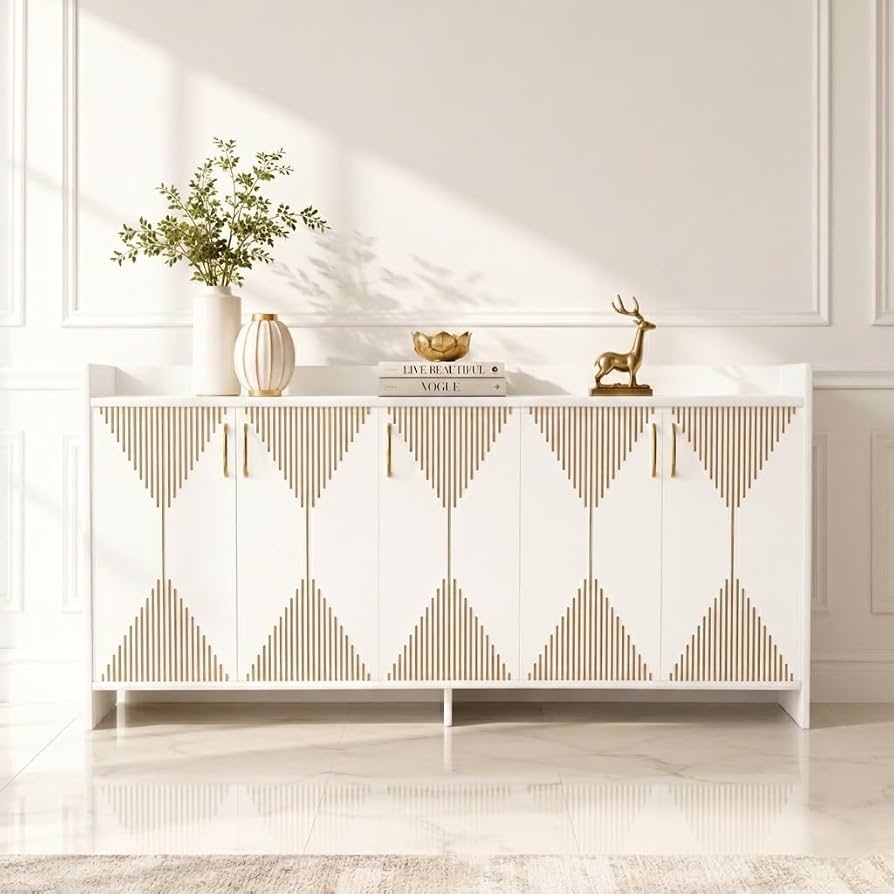
A sideboard mid century style is a practical and stylish furniture piece that can add warmth, character, and storage to almost any room. Inspired by the design movement that became popular during the mid-20th century, mid century sideboards are known for their clean lines, natural wood finishes, tapered legs, simple shapes, and functional layouts.
Unlike bulky traditional storage furniture, a mid century sideboard usually has a streamlined appearance that works well in both classic and contemporary interiors. It can be placed in a dining room, living room, hallway, bedroom, or home office, providing useful storage without making the space feel crowded.
Whether you are furnishing a new home or updating an existing interior, understanding the characteristics of mid century design can help you choose a sideboard that looks beautiful while meeting your storage needs.
What Is a Sideboard Mid Century Style?
A sideboard mid century style is a storage cabinet influenced by mid century modern furniture design. The style emphasizes simplicity, functionality, natural materials, and balanced proportions.
Most mid century sideboards feature a long, relatively low profile. They may include cabinets, drawers, sliding doors, or a combination of storage compartments. The furniture is designed to provide practical storage while maintaining a clean and uncluttered appearance.
Origins of Mid Century Furniture
Mid century design became widely recognized during the middle decades of the 20th century. Designers focused on creating furniture that was functional, visually simple, and suitable for modern homes.
The result was furniture with fewer decorative elements and greater emphasis on shape, proportion, materials, and usability. Sideboards became an important part of this approach because they provided storage without requiring excessive visual bulk.
Characteristics of Mid Century Sideboards
Common characteristics include:
- Clean, straight lines
- Tapered or angled legs
- Warm wood finishes
- Low and elongated proportions
- Minimal decorative details
- Sliding or hinged cabinet doors
- Multiple drawers
- Simple hardware
- Functional storage compartments
These features give the furniture its distinctive appearance while making it easy to combine with different interior styles.
Why Choose a Mid Century Style Sideboard?
A mid century sideboard can offer more than attractive design. It can become an important functional element in a room by providing concealed storage and a surface for displaying decorative objects.
Timeless Appearance
One of the biggest advantages of mid century furniture is its enduring visual appeal. The simple design does not rely heavily on complicated ornamentation or short-lived trends.
A well-designed sideboard can therefore complement a room for many years while adapting to changes in décor.
Practical Storage
A sideboard provides an easy way to organize household items. Depending on the design, you can store dining accessories, table linens, books, electronics, serving dishes, office supplies, or other everyday belongings.
Closed storage also helps keep the room looking organized and uncluttered.
Versatile Placement
A mid century sideboard does not have to remain in the dining room. Its clean shape makes it suitable for many areas of the home.
It can work as a dining room cabinet, living room storage unit, hallway console, bedroom dresser, or media cabinet, depending on its dimensions and configuration.
Key Features of a Sideboard Mid Century Style
When shopping for a sideboard mid century style, look beyond the overall appearance and consider the details that create the characteristic design.
Natural Wood Finishes
Wood is one of the most recognizable materials associated with mid century furniture. Walnut, teak, oak, and other warm-toned woods can create a natural and inviting appearance.
Wood grain is often allowed to remain visible rather than being hidden beneath heavy decorative finishes.
Tapered Legs
Tapered legs are another signature feature. The legs generally become narrower toward the floor, giving the sideboard a lighter visual appearance.
This detail can make a substantial storage cabinet appear less bulky, particularly in smaller rooms.
Minimal Hardware
Mid century furniture often uses simple hardware. Small pulls, recessed handles, wooden knobs, or streamlined metal hardware can complement the clean lines of the cabinet.
The hardware should support the design rather than become the main visual feature.
Sliding Doors and Drawers
Many mid century sideboards combine drawers with sliding cabinet doors. Sliding doors can be especially useful because they do not require additional space to open outward.
Different storage configurations allow you to choose a sideboard based on what you need to keep inside.
How to Choose the Right Size Sideboard
Size is one of the most important considerations when purchasing furniture. A sideboard should provide enough storage without overwhelming the room.
Measure the Available Space
Before buying a sideboard, measure the wall where you plan to place it. Record the available width, height, and depth.
Remember to consider doors, windows, electrical outlets, baseboards, and other furniture nearby.
Consider the Room Proportion
A very large sideboard can make a small room feel crowded, while a tiny cabinet may look lost against a large wall.
For a balanced appearance, consider the scale of the sideboard in relation to nearby furniture such as dining tables, sofas, chairs, and shelving.
Allow Enough Walking Space
A sideboard should not obstruct natural walking paths. Leave sufficient space between the cabinet and other furniture so doors and drawers can be opened comfortably.
This is particularly important in dining rooms, where chairs may already occupy significant floor space.
Sideboard Mid Century Style for the Dining Room
The dining room is one of the most traditional locations for a sideboard. It provides convenient storage for dishes, glassware, table linens, serving pieces, and other dining essentials.
Creating a Functional Dining Area
Positioning a sideboard against a wall can free up cabinet space in the kitchen while keeping dining items close to the table.
The top surface can also be used for decorative displays, serving food during gatherings, or placing lamps and artwork.
Decorating a Dining Room Sideboard
Keep the decoration balanced. A large mirror, framed artwork, vase, table lamp, or small collection of decorative objects can create an attractive focal point.
Avoid covering the entire surface with accessories. The clean lines of mid century furniture often look best when the top remains relatively uncluttered.
Mid Century Sideboards for Living Rooms
A sideboard can also be a useful addition to a living room. It provides concealed storage while creating a surface for decorative pieces.
Storage for Everyday Items
Depending on the cabinet design, a living room sideboard can store books, board games, blankets, remote controls, electronics, or miscellaneous household items.
Using concealed storage can help maintain a clean and organized living space.
Using a Sideboard as a Media Cabinet
Some mid century sideboards can work as media consoles. However, make sure the cabinet has suitable dimensions and ventilation if you plan to place electronic equipment inside.
Cable management should also be considered so that wires do not interfere with the clean appearance of the furniture.
Mid Century Sideboards for Small Spaces
A sideboard can be particularly useful in a smaller home when selected carefully.
Choose a Slim Profile
Look for a design with a relatively shallow depth if floor space is limited. A streamlined cabinet can provide storage without extending too far into the room.
Use Vertical Space Carefully
Although traditional mid century sideboards tend to be low and horizontal, you can complement one with wall-mounted shelves or artwork above it to make better use of vertical space.
Choose Storage Based on Your Needs
Instead of selecting a sideboard based only on appearance, think about what you need to store. Drawers may be useful for small items, while cabinets are better for larger belongings.
How to Style a Mid Century Sideboard
The beauty of a mid century sideboard is that it can serve as both furniture and a decorative focal point.
Add Artwork Above the Sideboard
A large framed artwork or carefully arranged collection can provide a visual anchor above the cabinet.
The artwork does not need to match the furniture exactly. Instead, look for colors and shapes that complement the wood finish and surrounding décor.
Add Lighting
A table lamp can introduce warmth and create an inviting atmosphere. Choose a lamp with a simple silhouette to maintain the clean aesthetic.
Use Plants and Natural Accessories
Indoor plants can add freshness and contrast to the warm tones of wooden furniture. Ceramic vases, stone objects, books, and other natural accessories can also complement the style.
Keep the Surface Balanced
Avoid placing too many small objects together. A few carefully selected pieces generally create a stronger visual effect than a crowded arrangement.
Choosing the Right Wood Finish
The wood finish can significantly influence the appearance of your sideboard.
Walnut Finish
Walnut offers a rich, warm appearance and works well with neutral, modern, and sophisticated interiors.
Teak Finish
Teak is strongly associated with classic mid century furniture. Its natural grain and warm color can create a distinctive vintage-inspired look.
Oak Finish
Oak can provide a lighter and more casual appearance. It works especially well in bright interiors and contemporary spaces.
Dark or Painted Finishes
Although natural wood is traditional, painted or darker finishes can create a modern interpretation of the style. These options can be useful when you want the shape of mid century furniture without a strong wood-grain appearance.
How to Combine Mid Century Furniture With Modern Décor
A mid century sideboard does not have to be used in a completely mid century room. Its simple design allows it to work with many other styles.
Mid Century and Contemporary
Pair the sideboard with a modern sofa, neutral walls, simple lighting, and minimal accessories for a clean contemporary interior.
Mid Century and Scandinavian
Light wood, soft textiles, simple shapes, and neutral colors can create a comfortable Scandinavian-inspired environment.
Mid Century and Bohemian
Plants, patterned rugs, handmade ceramics, and colorful artwork can create an eclectic look while allowing the sideboard to remain a strong anchor.
Mid Century and Traditional
A wooden sideboard can also add a modern touch to a more traditional room. Pair it with classic artwork, elegant lighting, and traditional textiles for contrast.
Vintage vs. Modern Mid Century Style Sideboards
When shopping for a mid century-inspired sideboard, you may encounter both original vintage furniture and modern reproductions.
Vintage Sideboards
Vintage pieces can offer authentic materials, construction techniques, and natural signs of age. Scratches, variations in wood tone, and small imperfections may contribute to their character.
However, vintage furniture should be inspected carefully for structural condition, hardware, drawers, doors, and previous repairs.
Modern Reproductions
Modern sideboards inspired by mid century design can offer updated dimensions, finishes, storage features, and construction methods.
They can be a practical option for homeowners who want the appearance of mid century furniture with contemporary functionality.
Caring for Your Mid Century Sideboard
Proper care can help maintain the appearance of a wooden sideboard for years.
Protect the Surface
Use coasters, placemats, and protective pads when placing drinks, hot dishes, or decorative objects on the cabinet.
Avoid Excessive Moisture
Wood furniture should generally be protected from prolonged exposure to water and excessive humidity. Wipe spills promptly using a suitable soft cloth.
Keep It Away From Harsh Sunlight
Direct sunlight can gradually change the appearance of some wood finishes. Positioning the sideboard away from intense sunlight can help preserve its original look.
Maintain the Hardware
Check handles, hinges, and sliding mechanisms periodically. Tightening loose hardware and keeping moving parts clean can help maintain smooth operation.
What to Look for Before Buying
Before purchasing a sideboard mid century style, consider both design and functionality.
Check the overall dimensions, storage capacity, material quality, construction, finish, hardware, and weight. Make sure the sideboard is appropriate for the location where you intend to use it.
Also consider whether the furniture is intended for decorative storage or frequent everyday use. A dining room cabinet used regularly may require more durable construction than a sideboard used mainly for display.
Frequently Asked Questions
What makes a sideboard mid century style?
A mid century sideboard typically features clean lines, simple geometric forms, warm wood finishes, tapered legs, minimal hardware, and practical storage. The design emphasizes function without excessive decoration.
Can a mid century sideboard work in a modern home?
Yes. Its streamlined shape makes it easy to combine with contemporary furniture, neutral interiors, Scandinavian décor, and other modern styles.
Where should I put a mid century sideboard?
A sideboard can be placed in a dining room, living room, hallway, bedroom, home office, or entryway. The ideal location depends on its size and the type of storage you need.
How do I decorate a mid century sideboard?
Consider adding artwork, a mirror, table lamp, plants, books, ceramics, or a small selection of decorative accessories. Keep the arrangement balanced and avoid overcrowding the surface.
What wood is commonly used for mid century sideboards?
Walnut, teak, and oak are popular choices. Each provides a different color and grain pattern, allowing you to match the sideboard with your interior design.
Final Thoughts
A sideboard mid century style can bring together practical storage and timeless design. Its clean lines, natural wood finishes, tapered legs, and simple details make it a versatile furniture choice for dining rooms, living rooms, hallways, bedrooms, and other areas of the home.
When selecting your sideboard, focus on more than appearance. Consider the size of your room, storage requirements, material, construction, wood finish, and overall décor. A well-chosen piece can provide useful storage while becoming an attractive focal point in your interior.
Whether you prefer an authentic vintage design or a contemporary interpretation, a mid century sideboard can add warmth, organization, and distinctive character to your home without making the space feel overly decorated.
