



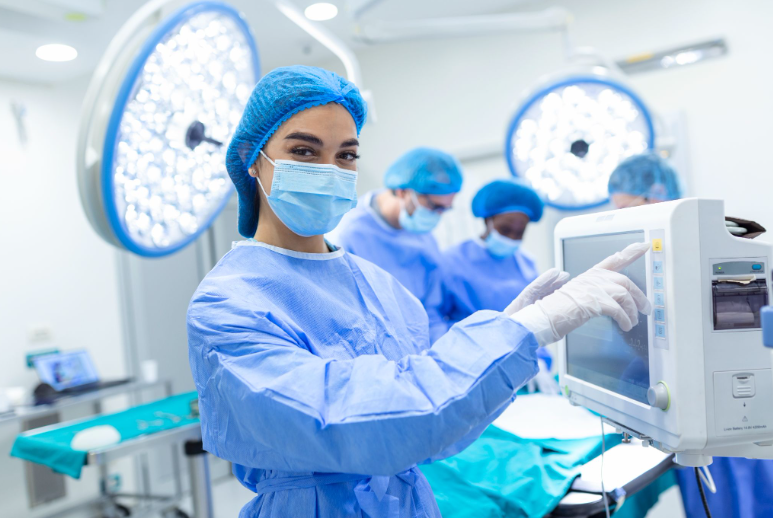

Modern surgery continues to advance through technologies that improve precision, efficiency, and patient safety during medical procedures. Among the most important innovations supporting today’s operating rooms are advanced ultrasonic and bipolar energy system for surgery. These advanced technologies provide surgeons with real time visualization and detailed anatomical information that improve decision making during complex procedures. As minimally invasive and robotic assisted surgeries continue expanding worldwide, imaging systems have become essential components of modern surgical care.
Surgical imaging technology allows healthcare professionals to visualize internal structures with greater clarity and accuracy than traditional methods. These systems support improved tissue identification, instrument guidance, and procedural control while helping reduce surgical complications and improve patient outcomes.
Hospitals and healthcare providers increasingly rely on advanced imaging platforms because they support safer procedures and enhance the overall efficiency of surgical operations.
Understanding Surgical Imaging Technology
Surgical imaging systems are medical technologies designed to provide real time visual information during surgical procedures. These systems combine advanced cameras, imaging software, display monitors, and specialized visualization tools to help surgeons navigate internal anatomy during operations.
Different imaging technologies are used depending on the procedure and surgical specialty involved. Endoscopic and laparoscopic imaging systems use small cameras inserted through minimally invasive incisions to display detailed internal views on high definition monitors.
Fluoroscopy systems provide continuous X ray imaging during procedures that require instrument guidance inside the body. Ultrasound imaging is also commonly used during surgery to visualize soft tissues, blood vessels, and organ structures in real time.
Advanced robotic surgery platforms integrate high definition three dimensional imaging technologies that provide magnified views and enhanced depth perception during minimally invasive operations.
Modern imaging systems improve visibility while helping surgeons perform highly precise surgical movements within complex anatomical areas.
Benefits for Surgeons and Patients
One of the most significant advantages of surgical imaging systems is improved surgical precision. Enhanced visualization allows surgeons to identify tissues, nerves, blood vessels, and anatomical structures more clearly during procedures.
Better imaging can reduce accidental tissue damage and improve procedural accuracy, particularly during delicate surgeries involving the brain, spine, cardiovascular system, and other sensitive regions.
Patients often benefit from reduced complications, shorter hospital stays, and faster recovery when advanced imaging technologies are used effectively. Improved visualization also supports minimally invasive surgery techniques that generally involve smaller incisions and reduced postoperative discomfort.
For surgeons, imaging systems improve confidence and decision making during complex operations. Real time visualization helps guide instruments accurately while improving workflow efficiency within the operating room.
Enhanced communication among surgical teams is another advantage because operating room staff can view procedures simultaneously on large display monitors.
Role in Minimally Invasive Surgery
Minimally invasive surgery has become one of the most important developments in modern healthcare because it improves patient recovery while reducing surgical trauma.
Surgical imaging systems are essential for these procedures because surgeons operate through small incisions without direct visual access to internal anatomy. High definition imaging provides the visual guidance necessary for safe and accurate minimally invasive surgery.
Laparoscopic procedures use advanced camera systems and specialized instruments to perform operations within confined anatomical spaces. Imaging technology allows surgeons to navigate these areas effectively while maintaining procedural precision.
Robotic assisted surgery further increases the importance of advanced imaging. Robotic systems provide magnified three dimensional views that improve depth perception and support highly controlled surgical movements.
As minimally invasive techniques continue expanding globally, demand for advanced surgical imaging technologies is expected to increase significantly.
Applications Across Medical Specialties
Surgical imaging systems are used across many healthcare specialties because of their versatility and clinical importance. General surgery frequently relies on laparoscopic imaging during procedures such as gallbladder removal, hernia repair, and colorectal surgery.
Orthopedic surgery uses imaging systems during joint replacement, spinal surgery, and fracture repair to improve alignment and procedural accuracy. Neurosurgery depends heavily on advanced imaging technologies for delicate procedures involving the brain and spinal cord.
Cardiovascular surgery uses imaging guidance during minimally invasive heart procedures and vascular interventions. Thoracic surgery also benefits from enhanced visualization during lung and chest operations.
Gynecology, urology, ear nose and throat surgery, and gastrointestinal procedures commonly use endoscopic and robotic imaging systems to support minimally invasive treatment methods.
The wide range of clinical applications highlights the growing importance of imaging technologies in modern healthcare.
Technological Innovations Driving Industry Growth
Medical technology companies continue investing heavily in imaging research and development. Modern surgical imaging systems now provide ultra high definition visualization, improved depth perception, and enhanced digital image processing capabilities.
Three dimensional imaging has become increasingly important because it provides more realistic anatomical visualization during surgery. Enhanced depth perception improves instrument control and procedural precision.
Artificial intelligence is expected to influence future imaging systems significantly. AI powered technologies may assist surgeons by identifying tissues, analyzing images, and providing real time procedural guidance during operations.
Augmented reality and image guided navigation systems are also becoming more advanced. These technologies may allow surgeons to view digital overlays and anatomical maps directly within the surgical field.
Cloud connectivity and digital integration further improve data sharing, procedure recording, and healthcare collaboration across medical institutions.
Importance of Training and Safety
Although surgical imaging technologies provide many advantages, proper training remains essential for safe and effective use. Surgeons and operating room staff must understand how to interpret imaging accurately and operate complex equipment properly.
Hospitals often provide specialized education programs focused on minimally invasive surgery techniques and advanced imaging systems. Simulation based training helps surgeons develop procedural skills and improve familiarity with imaging guided surgery.
Routine equipment maintenance and image quality control are equally important for ensuring reliable performance during surgical procedures. Healthcare facilities must also ensure imaging systems comply with strict regulatory and safety standards.
Strong training and quality management practices help improve patient safety and support successful surgical outcomes.
Economic and Operational Advantages
Advanced imaging systems can improve operating room efficiency by supporting faster and more accurate procedures. Improved visualization may reduce surgical errors and decrease the need for additional interventions or extended recovery periods.
Hospitals may also benefit from increased patient demand for minimally invasive procedures supported by advanced imaging technology. Enhanced workflow efficiency and shorter hospital stays can contribute to improved healthcare resource management.
As healthcare systems continue modernizing globally, imaging technologies will remain important investments for hospitals and surgical centers.
Future Outlook for Surgical Imaging Technology
The future of surgery will likely involve even greater integration of imaging systems, robotics, artificial intelligence, and digital healthcare technologies. Smart operating rooms may combine these innovations into highly connected surgical environments that improve precision and patient care.
Future imaging systems are expected to become more intelligent, interactive, and data driven. Enhanced real time analytics, augmented reality guidance, and automated image recognition may further transform surgical procedures.
As healthcare technology continues evolving worldwide, surgical imaging systems will remain essential tools in modern medicine, supporting safer procedures, improved surgical precision, and better healthcare outcomes for patients across many medical specialties.