
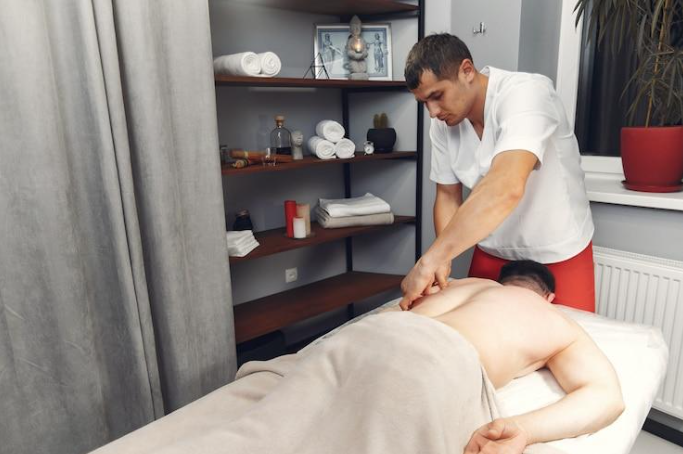
Relaxation, healing, and taking good health care are the true driving forces for anyone in life. If you are struggling with chronic pain, muscle tension, depression, trauma, stress, grief, or loss, you need professional ways to regain and restore the balance of your powerhouse. There are many approaches, such as massage, acupuncture, psychiatric help, therapies, and other wellness strategies that can support your mind, body, and heart. Here are some strategies to restore your mind and emotions.
1. Stress Relief Massage Therapy
Massages are truly a relief for the mind, helping you unwind and unplug. Imagine yourself in a room with dim lighting, no distractions, no stress, and no work, where a soothing touch from a massage therapist takes you into a state of deep relaxation. After a massage, you will notice a revitalized and energized feeling, almost as if you have received an energy boost. It helps relieve stress and reduce muscle tension caused by work, exercise, or prolonged physical strain. A session with professional holistic massage therapy services promotes optimal health and wellness and guides you toward a vibrant and balanced life.
2. Acupuncture for Natural Balance
Acupuncture is a traditional technique that helps manage common health and body conditions such as chronic back pain, headaches, joint discomfort, and muscle tension. In this treatment, your acupuncturist places thin, painless needles at specific points under the skin. You rest on a padded table for a while, and soon you feel calm and relaxed as your stress gradually leaves your body. After this treatment, individuals notice that their body has started recovering naturally, with reduced anxiety and lower physical tension. Moreover, acupuncture supports both immediate relief and long-term healing and helps address the underlying root causes to prevent symptoms.
3. Psychiatric Emotional Care
A psychiatric consultation includes a comprehensive assessment of the psychological, biological, medical, and social factors that cause emotional distress. Psychiatrists speak with patients to understand their history, symptoms, and the factors contributing to stress and depression. Many people avoid seeking psychiatric treatment due to feelings of guilt or shame, which prevent them from acknowledging their problems. Support from family and friends can encourage individuals to seek help before symptoms become more severe.
4. Sound Therapy for Relaxation
Therapy is an effective solution for reducing stress, improving focus, and supporting nervous system balance. These treatments are particularly beneficial for individuals suffering from chronic pain, neurological conditions, or sensory sensitivities. Whether you aim to reduce stress, support healing, or improve overall wellness, sound therapy is non-invasive, innovative, and helps manage symptoms related to depression, attention difficulties, relationship conflict, and major life changes.
5. Cellular Wellness and Recovery
Peptide therapy is a modern wellness approach that uses short chains of amino acids to support natural biological functions. Peptides act as signaling molecules that help regulate body processes such as metabolism, tissue repair, and cell communication. This therapy is often used in personalized wellness care to improve energy levels, physical recovery, and long-term health. Because peptides work with the body’s natural systems, they help improve strength and immunity and support the body’s recovery.
