
Feel the difference

Book Visit With Us!

Edit Template

Factors to Consider When Selecting a PTSD Therapist

Finding the right support for post-traumatic stress disorder is a deeply personal and significant step toward recovery. Choosing a PTSD therapist requires careful thought and research to ensure that the professional you work with has the specific skills needed to handle trauma.  Since trauma affects the brain and body differently than standard stress, the approach must be specialized. Here are the primary factors to consider during your search. Specialized Trauma Training and Certification The most important factor is the specific training the provider has received. General counseling is often insufficient for treating complex trauma.  You should look for a ptsd therapist who is trained in evidence-based modalities such as Eye Movement Desensitization and Reprocessing (EMDR), Trauma-Focused Cognitive Behavioral Therapy (TF-CBT), or Prolonged Exposure therapy. These methods are specifically designed to help the brain process traumatic memories safely. Years of Clinical Experience While education is vital, experience in the field provides a therapist with the nuance required to handle triggers and emotional flashbacks. Ask potential providers how long they have been practicing and what percentage of their caseload involves trauma recovery.  A seasoned PTSD therapist will be comfortable navigating the complexities of your symptoms and will have a proven track record of helping others in similar situations achieve stability. Cultural Sensitivity and Personal Comfort The therapeutic relationship relies heavily on trust and a sense of safety. You should feel that your provider respects your background, values, and identity without judgment. During an initial consultation, pay attention to how you feel while speaking with them.  If you do not feel a sense of ease, it may be difficult to open up about sensitive events. The right PTSD therapist will foster an environment where you feel heard and validated. Treatment Goals and Structure Trauma therapy should not be aimless; it requires a clear roadmap. Inquire about the therapist’s philosophy on goal setting and how they measure progress. Some practitioners focus on immediate symptom management and grounding techniques, while others prioritize deep processing of past events.  A good professional will tailor their strategy to your current capacity, ensuring you are not overwhelmed by the process. Logistical Accessibility and Consistency Recovery is a long-term commitment that requires consistency. Consider the practical aspects of the practice, such as the location, the availability of telehealth options, and the cost of sessions.  If the process of getting to an appointment is too stressful or financially draining, it may hinder your progress. Ensure the provider’s schedule aligns with yours so that you can maintain a regular weekly or bi-weekly cadence without frequent interruptions. Communication Style and Boundaries Every individual has different needs when it comes to communication. Some prefer a therapist who is more directive and provides “homework,” while others need a more reflective and gentle listener. Clear boundaries regarding out-of-session contact and emergency protocols are also essential.  Understanding these professional boundaries from the start prevents misunderstandings and ensures that the therapeutic environment remains a professional and safe space for healing.  Ultimately, finding a provider whose communication style matches your own can significantly accelerate the progress you make during your sessions.  

Effective Methods to Alleviate Dental Discomfort and Pain

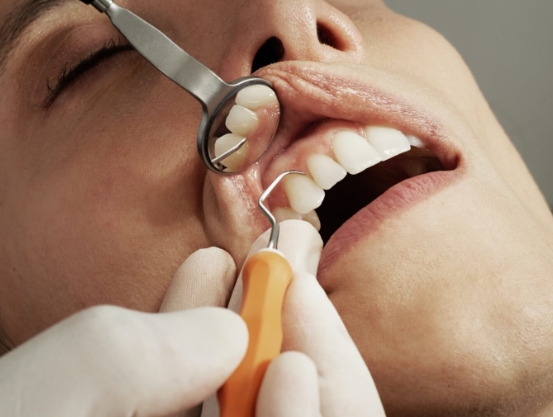
Experiencing dental pain can be a distressing experience that significantly impacts your ability to perform daily activities. Whether the discomfort is caused by temperature sensitivity, inflammation, or structural issues, finding immediate and long term relief is essential for your quality of life.  Understanding the root cause of the pain is the first step toward effective treatment and permanent resolution. While home remedies can provide temporary comfort, professional intervention is often necessary to ensure that minor issues do not escalate into serious infections.  The following strategies offer a comprehensive guide to managing and reducing oral discomfort through both personal care and specialized professional treatments. Addressing Structural Misalignment through Professional Orthodontics In many cases, chronic jaw pain and tooth sensitivity are the results of an improper bite or crowded teeth. Seeking assistance through professional orthodontics can provide a permanent solution by redistributing biting pressure more evenly across your dental arch.  When teeth are misaligned, certain areas are subjected to excessive force, leading to enamel wear and persistent aching.  Undergoing treatment with orthodontics ensures that your teeth are moved into their ideal positions, which not only improves your smile but also eliminates the physical strain that causes tension headaches and localized dental soreness. Relieving Pressure and Aches with Professional Wisdom Teeth Removal The emergence of third molars often causes intense pressure and swelling at the back of the jaw as they attempt to break through the gum line. Scheduling a professional wisdom teeth removal is a common and highly effective way to eliminate this specific type of dental distress.  If these teeth are impacted or growing at an angle, they can press against neighboring molars, causing significant radiating pain and potential infection.  A successful wisdom teeth removal procedure clears the way for a healthy oral environment and prevents the development of painful cysts or the shifting of your primary teeth. Utilizing Warm Salt Water Rinses for Immediate Relief One of the simplest and most effective home remedies for oral discomfort is a warm salt water rinse. Dissolving a small amount of salt in warm water creates a natural disinfectant that helps reduce inflammation and kill harmful bacteria around the affected area.  This gentle solution can help draw out fluids from inflamed tissues, providing a soothing effect on swollen gums or a sore tooth.  Rinsing several times a day is an excellent supplemental habit that promotes healing after minor injuries or during the early stages of a localized infection. Applying Cold Compresses to Manage Facial Swelling If your dental pain is accompanied by visible swelling of the cheek or jaw, applying a cold compress can provide significant numbing relief.  Holding an ice pack wrapped in a cloth against the outside of the face constricts the blood vessels in the area, which reduces blood flow and decreases the intensity of the throbbing sensation.  This method is particularly useful for managing discomfort following a dental procedure or a physical injury to the mouth. Using a cold compress in intervals of twenty minutes can help keep inflammation under control until you can see a specialist. Managing Sensitivity with Specialized Desensitizing Toothpastes For many individuals, dental pain is triggered by exposure to very hot or cold substances, indicating that the protective enamel has become thin.  Switching to a high quality desensitizing toothpaste can help block the pathways to the nerves inside the teeth, effectively reducing the sharp stabs of pain associated with thermal sensitivity.  These specialized products contain compounds that fill in microscopic pores in the dentin, creating a protective shield over sensitive areas. Consistent use of these toothpastes allows you to enjoy your favorite foods and beverages without the fear of sudden and uncomfortable jolts.

5 Things You Can Do to Improve Your Teeth

Having healthy teeth is important for both appearance and overall health. Good dental habits help prevent cavities, gum disease, and other oral problems. Strong teeth also make eating more comfortable and boost confidence when smiling. Many people think that brushing alone is enough, but there are several steps that can make a big difference. By following these simple actions, it is possible to improve teeth health and maintain a bright smile.  Brush and Floss Regularly Brushing teeth at least twice a day helps remove food particles and plaque that can lead to cavities. Using a soft-bristled toothbrush and fluoride toothpaste gives the best protection. Brushing in small circular motions ensures that every part of the teeth and gums is cleaned. Flossing once a day is equally important because it removes plaque and food stuck between teeth where brushes cannot reach. Skipping flossing can allow bacteria to build up, which may cause bad breath and gum problems. Regular brushing and flossing work together to keep teeth strong and healthy.  Maintain a Healthy Diet Eating a balanced diet plays a key role in improving teeth. Foods rich in calcium, such as milk, cheese, and yogurt, help strengthen tooth enamel. Crunchy fruits and vegetables, like apples and carrots, naturally clean teeth and stimulate gums. Limiting sugary snacks and drinks reduces the risk of cavities because sugar feeds bacteria that harm teeth. Drinking water throughout the day helps wash away food particles and keeps the mouth hydrated. A healthy diet not only benefits teeth but also supports overall body health.  Visit a Dentist Regular visits to a dentist are essential for preventing serious dental problems. A dentist can check for cavities, gum disease, and other oral issues before they become severe. Professional cleanings remove plaque and tartar that daily brushing cannot eliminate. A dentist can also provide advice on the best brushing techniques, toothpaste, and flossing habits. Visiting the dentist every six months ensures that teeth stay healthy and any problems are treated early. Regular check-ups give confidence that teeth are in good condition.  Consult an Orthodontist An orthodontist can help improve teeth alignment and bite issues. Crooked or crowded teeth can make cleaning difficult, which increases the risk of cavities and gum problems. Braces, clear aligners, or other orthodontic treatments gradually move teeth into the correct position. A well-aligned smile is easier to clean and looks more attractive. Consulting an orthodontist early can prevent long-term dental problems and improve oral health. Proper guidance from an orthodontist ensures that teeth remain functional and strong.  Use the Right Dental Products Choosing the right dental products makes a noticeable difference in teeth health. Fluoride toothpaste strengthens enamel and protects against decay. Mouthwash can reduce bacteria and freshen breath. Electric toothbrushes are effective at removing plaque and cleaning hard-to-reach areas. Using dental products consistently according to instructions helps maintain strong teeth and gums. Good dental products, combined with proper brushing and flossing, create a complete routine for oral care.  Conclusion Improving teeth requires a combination of good habits, professional care, and the right products. Brushing and flossing daily, eating a balanced diet, visiting a dentist, consulting an orthodontist, and using effective dental products all contribute to a healthy smile. Taking these steps prevents problems, strengthens teeth, and ensures a confident smile. Healthy teeth not only improve appearance but also support overall well-being, making dental care an important part of everyday life. 

How FAA HIMS Psychiatrists Help Pilots Maintain Mental Health

Flying an aircraft requires not just technical skills but also strong mental and emotional stability. Pilots face many pressures, from long hours and irregular schedules to the responsibility of passenger safety. Mental health is a critical part of their overall fitness to fly. This is where FAA HIMS psychiatrists play a key role. They help pilots manage stress, anxiety, depression, and other mental health concerns while ensuring the safety of the skies. Understanding the Role of an FAA HIMS Psychiatrist An FAA HIMS psychiatrist is a medical professional specially trained to work with pilots under the Federal Aviation Administration’s (FAA) Human Intervention Motivation Study (HIMS) program. This program is designed to help pilots who are struggling with mental health or substance use issues return safely to flying duties. Unlike general psychiatrists, FAA HIMS psychiatrists understand the unique pressures and responsibilities of aviation. They are trained to assess a pilot’s mental health, recommend treatment, and provide ongoing support to ensure the pilot meets FAA standards for fitness to fly. How FAA HIMS Psychiatrists Assess Mental Health Assessment by an FAA HIMS psychiatrist involves a careful and thorough evaluation of a pilot’s mental and emotional state. This includes discussing the pilot’s medical history, work stressors, and personal life challenges. The psychiatrist may use interviews, psychological testing, and collaboration with other medical professionals to get a full picture of the pilot’s mental health. The goal is not only to identify issues but also to create a clear plan for treatment and monitoring that aligns with FAA safety standards. Treatment and Support Options FAA HIMS psychiatrists provide treatment plans that are tailored to each pilot’s needs. Treatment can include therapy, counseling, medication management, and stress-reduction techniques. One of the key aspects of their work is helping pilots develop healthy coping strategies to manage the stresses of their job. This might involve learning ways to handle anxiety during flights, improving sleep patterns, or developing routines that reduce fatigue. The psychiatrist also monitors progress over time to make sure the treatment is effective and that the pilot remains fit to operate an aircraft safely. Helping Pilots Return to Flying One of the most important roles of an FAA HIMS psychiatrist is guiding pilots back to the cockpit safely. When a pilot has faced mental health challenges, returning to flying requires careful planning. The psychiatrist works with the pilot and the FAA to determine when it is safe to resume duties. This may involve gradual return-to-work plans, regular check-ins, and continuous monitoring to prevent relapse. The HIMS program emphasizes both the pilot’s well-being and the safety of passengers, making the psychiatrist’s guidance essential. Promoting Long-Term Mental Health FAA HIMS psychiatrists do more than just address immediate issues; they also focus on long-term mental health maintenance. They educate pilots on recognizing early signs of stress or burnout and provide strategies for ongoing mental wellness. Regular check-ins and proactive mental health care help pilots maintain resilience and confidence in their abilities. By fostering long-term mental health, these psychiatrists help pilots sustain successful and safe careers in aviation. Conclusion Mental health is just as important as physical health for pilots, and FAA HIMS psychiatrists play a critical role in supporting it. From assessment and treatment to guiding pilots back to safe flying and promoting long-term wellness, these specialists ensure that pilots can manage the pressures of their demanding careers effectively. Their work not only benefits pilots but also protects the safety of passengers and the integrity of the aviation industry. By understanding and addressing mental health needs, FAA HIMS psychiatrists help pilots navigate the skies with confidence and stability.

5 Lifestyle Changes That Make Weight Management Easier

Management of weight does not entail extreme dieting, strict rules, and quick remedies. It is a long-term commitment to healthier living that would only be sustainable when it would fit in your everyday routine. Effective weight management involves more than just thinking about calories or being on the scale, there are considerate lifestyle changes that provide physical, psychological, and emotional well-being. Once these changes become the new norm, it becomes easier to stick to a healthy weight without compromising because it becomes more of a normal process of living a balanced life. Below are a few lifestyle changes that make weight management easier. 1. Prioritize balanced, whole-food Nutrition Changing your mindset about restrictive diets in favor of balanced nutrition can be seen as one of the most influential changes you can make. Excess sugar, unhealthy fats and empty calories are typical of highly processed foods that derail weight management.  Whole foods on the other hand, vegetables, fruits, lean proteins, whole grain, and healthy fats, are the sources of essential nutrients that will ensure that your body is kept energized and satisfied. Balanced meals maintain the level of sugar in the blood, decrease cravings, and eliminate overeating.  2. Weight management becomes easy with Consistent meal routine Improper eating habits may affect your metabolism to get you into overeating later in the day. Not eating in time can make one so hungry that they are likely to eat poorly and consume excessive amounts of food. A regular meal schedule would stabilize the energy levels and aid in weight management throughout your journey. Eating also gets your body used to the idea of getting food at certain times so that you do not give in to cravings as much. Although flexibility is crucial, consistency provides a rhythm that makes it easy to manage the weight and achieve success over the long run. 3. Make physical activity a Daily habit, not a Chore Exercise, taken on a daily basis, helps in metabolic activity, muscle development, elevating moods and improving general health. It does not require hours in the gym, even regular activity of moderate intensity can make a big difference. When it has fun and is a routine process, then managing weight cannot be forced but is more of a by-product. Consistency matters in the weight management journey. Consistent habits make a huge difference and bring real results over time. 4. Improve Sleep quality and Duration The role of sleep in weight management is extremely important and is often  neglected. Poor sleep interferes with hormones that determine hunger and fullness, making one have more cravings of high-calorie, sugary foods. Constant lack of sleep may also decelerate metabolism and decline an interest in exercise. Eventually, the first step towards a better quality of sleep is to set a schedule of when to go to bed, putting on a screen time before going to sleep and ensuring a good environment to sleep in. When you have enough rest, your body runs better and smoother, your energy levels are more energized, and it is much easier to take care of your weight. 5. Manage Stress in Healthy Ways A major hindrance to successful weight management is stress. High stress levels lead to secretion of the hormone cortisol which is known to make one feel hungry and holds fat especially in the abdominal area. Even the best nutrition plans are usually sabotaged by emotional eating that usually follows a time of stress that is prolonged. Emotional triggers around food can be minimized by including stress-management techniques, including deep breathing, meditation, journaling, or gentle exercise. An ability to manage stress without the use of eating gives you the strength to make conscious decisions in accordance with lifelong weight objectives.

Finding the Right Support: Services That Help You Heal and Move Forward

Life can sometimes bring unexpected challenges that affect emotional, mental, and even physical well-being. Whether you are dealing with personal loss, relationship struggles, health concerns, or major life transitions, finding the right support can make a significant difference in your healing journey. Professional services exist to help individuals process their experiences, build resilience, and move forward with confidence. Understanding what options are available allows you to choose the support that best fits your needs and circumstances. Trauma Counseling: A Path Toward Emotional Recovery Trauma counseling is a specialized form of therapy designed to help individuals cope with distressing or life-altering experiences and regain a sense of safety and control. People who have experienced accidents, abuse, violence, grief, or other overwhelming events often benefit from working with trained professionals who understand how trauma impacts the mind and body. Through guided conversations, coping strategies, and evidence-based techniques, trauma counseling helps individuals process memories, reduce anxiety, and rebuild emotional strength. Over time, many people find they are better able to manage triggers, improve relationships, and regain confidence in daily life. Medicaid Psychologists: Accessible Mental Health Support Medicaid psychologists provide professional mental health care to individuals who qualify for Medicaid coverage, making therapy more accessible to those with financial limitations. Access to affordable mental health services is essential because untreated emotional concerns can grow into more serious challenges over time. Medicaid psychologists can assist with anxiety, depression, behavioral concerns, and other psychological conditions through therapy, assessments, and treatment planning. Their services ensure that individuals and families who might otherwise struggle to afford care still receive the support needed to improve their well-being. Support Groups: Healing Through Shared Experiences Support groups offer a unique environment where individuals can connect with others who have gone through similar experiences. Whether the focus is grief, addiction recovery, chronic illness, or relationship challenges, sharing stories with people who understand can reduce feelings of isolation. Group settings often provide emotional comfort, practical advice, and encouragement. Many people find that listening to others’ journeys helps them gain perspective on their own struggles and discover new ways to cope. Support groups can be led by professionals or peers, both of which offer valuable benefits. Rehabilitation and Recovery Services: Rebuilding Strength and Independence For individuals recovering from physical injuries, substance use disorders, or major health conditions, rehabilitation services play a critical role in the healing process. These programs may include physical therapy, occupational therapy, or addiction recovery treatment depending on the individual’s needs. Rehabilitation services focus not only on recovery but also on helping people regain independence and confidence in daily activities. With structured support and professional guidance, individuals often experience improved outcomes and a stronger sense of hope for the future. Life Coaching and Career Counseling: Moving Forward with Purpose Sometimes healing involves looking ahead rather than focusing only on the past. Life coaching and career counseling services help individuals set goals, identify strengths, and create plans for personal or professional growth. These services are especially helpful for people experiencing major life changes such as career transitions, divorce, or personal reinvention. By working with a coach or counselor, individuals can gain clarity, motivation, and direction, which are essential for moving forward successfully. Holistic Wellness Services: Supporting Mind and Body Together Holistic approaches such as mindfulness training, meditation programs, yoga therapy, and stress management coaching can complement traditional therapy. These services focus on the connection between mental and physical health, helping individuals develop healthier coping mechanisms and relaxation techniques. Many people find that combining holistic practices with professional counseling enhances their overall recovery and emotional balance. Conclusion Healing is rarely a straight path, and everyone’s journey looks different. The most important step is recognizing that support is available and seeking help when needed. From trauma counseling and Medicaid psychologists to support groups, rehabilitation programs, and holistic wellness services, there are many resources designed to help individuals overcome challenges and rebuild their lives. With the right support system, it becomes possible not only to heal from past experiences but also to move forward with strength, confidence, and renewed hope.

The Benefits of Choosing Balloon Sinuplasty for Chronic Sinusitis

Chronic sinusitis can be a debilitating condition, affecting daily life and overall well-being. Many treatment options exist, but balloon sinuplasty has emerged as a highly effective technique for managing this condition. By understanding the benefits of balloon sinuplasty, patients can make informed decisions about their treatment options. 1. Minimally Invasive Procedure One of the most significant advantages of balloon sinuplasty is that it is a minimally invasive procedure. Unlike traditional sinus surgery, which often involves extensive tissue removal, balloon sinuplasty works by gently dilating the sinus openings using a small, flexible balloon.  This means less trauma to the surrounding tissues and a decreased risk of complications. Patients benefit from a quicker recovery time and less post-operative discomfort, making balloon sinuplasty an appealing choice for those suffering from chronic sinusitis. 2. Quick Recovery Time Since balloon sinuplasty is performed on an outpatient basis and does not require general anesthesia, the recovery time is minimal. Many patients experience relief from their sinus symptoms shortly after the procedure and can return to their normal activities within just a few days.  This quick recovery is especially beneficial for busy individuals who may not have the time to take extended breaks from work or personal commitments. Balloon sinuplasty allows them to regain their health without extensive downtime, making it a practical solution for chronic sinusitis. 3. Improved Quality of Life Chronic sinusitis can significantly impact a person’s quality of life, leading to persistent headaches, facial pressure, and difficulty breathing. By choosing balloon sinuplasty, patients can experience substantial improvement in their symptoms.  The procedure aims to restore normal drainage of the sinuses, which can alleviate pressure and reduce the frequency of sinus infections. As symptoms improve, patients often report a noticeable enhancement in their overall well-being, leading to a more fulfilling and active lifestyle. 4. Preservation of Nasal Tissue Unlike traditional sinus surgery, where healthy nasal tissue may be removed, balloon sinuplasty prioritizes the preservation of healthy tissue. This aspect is vital for maintaining normal function and reducing the likelihood of scarring or complications.  By focusing on dilation rather than removal, balloon sinuplasty helps ensure that patients retain their natural nasal structure while still achieving significant relief from chronic sinusitis. This preservation can contribute to better long-term outcomes, allowing patients to enjoy ongoing sinus health. 5. Safe and Effective Balloon sinuplasty has a strong safety profile and is considered a reliable treatment modality for chronic sinusitis. It is appropriate for various patients, including those who may not be suitable candidates for more invasive surgical options. The procedure has been widely studied, demonstrating high success rates and minimal risks. This safety and effectiveness make balloon sinuplasty an appealing choice for individuals seeking a long-term solution to their sinus issues. Patients can feel confident knowing they are opting for a well-established treatment that offers genuine relief. Conclusion In conclusion, the benefits of choosing balloon sinuplasty for chronic sinusitis are compelling. With its minimally invasive nature, quick recovery time, improved quality of life, preservation of nasal tissue, safety, effectiveness, and customizable options, balloon sinuplasty is a valuable treatment for those wanting relief from chronic sinus issues.  By considering this innovative procedure, patients can take a positive step toward better health and enhanced well-being.

How a Tummy Tuck Helps After Significant Weight Loss

Significant weight loss is a remarkable accomplishment, but it often leaves behind challenges such as loose skin and weakened abdominal muscles. Even after months or years of maintaining a healthy lifestyle, these issues cannot be fully addressed through exercise or diet alone. A tummy tuck can provide a solution for individuals who want to restore a smooth, firm abdominal appearance and feel more confident in their body. 1. Removing Excess Skin One of the most common issues after major weight loss is loose, sagging skin around the abdomen. This excess skin can create folds, irritate the skin, and interfere with clothing fit. A tummy tuck removes the extra skin and tightens the remaining tissue, resulting in a smoother, firmer abdominal profile.  This step is especially important for individuals who have lost a significant amount of weight, as their skin may no longer retract naturally. By removing this skin, the procedure helps complete the transformation that weight loss alone cannot achieve. 2. Repairing Abdominal Muscles Significant weight loss can also lead to weakened or separated abdominal muscles, a condition called diastasis recti. This can result in a protruding belly, poor posture, and even back discomfort.  During a tummy tuck, the surgeon repairs these muscles, bringing them closer together to restore core strength and improve the overall contour of the abdomen. This step not only enhances the visual appearance but also provides functional benefits, helping patients maintain better posture and abdominal support. 3. Improving Body Contour and Symmetry Even after successful weight loss, uneven fat deposits or minor skin irregularities may remain. A tummy tuck can be combined with liposuction to target these problem areas, creating a more balanced and harmonious silhouette.  The combination of skin removal, muscle repair, and targeted fat reduction ensures that the final result reflects the body’s natural proportions, giving patients a toned and aesthetically pleasing appearance. 4. Recovery After a Tummy Tuck Recovery following a tummy tuck after significant weight loss is similar to a standard procedure but may vary depending on the extent of skin removal and muscle repair. Patients are typically advised to rest, avoid strenuous activity, and wear compression garments to support healing.  Following the surgeon’s instructions closely is essential for minimizing complications and achieving optimal results. Most patients notice visible improvements within a few weeks, with final results continuing to improve over several months. 5. Choosing the Right Surgeon Selecting an experienced, board-certified plastic surgeon is crucial for post-weight-loss tummy tucks. A skilled surgeon will evaluate the patient’s unique needs, recommend the most appropriate technique, and provide realistic expectations for results. Conclusion A tummy tuck after significant weight loss is more than a cosmetic procedure; it is a transformative surgery that addresses loose skin, repairs abdominal muscles, and improves body contour. For individuals who have dedicated themselves to losing weight, this procedure can complete the journey, providing a toned, proportional abdominal profile and renewed confidence. By choosing a qualified surgeon and following proper recovery guidelines, patients can achieve safe, effective, and long-lasting results that truly reflect their hard work and dedication.

The Ultimate Guide to IVF Cost in Noida: Budgeting for Your Journey in 2026

Planning fertility treatment is not just a medical decision, it is an emotional and financial commitment. One of the most searched concerns today is “IVF cost in Noida.” With the growing demand for advanced fertility care, Noida has emerged as a strong hub for reproductive medicine. However, cost clarity remains one of the biggest deciding factors for couples. In this detailed guide, we break down IVF pricing in 2026, hidden cost components, budgeting strategy, and how to choose the best IVF centre in Noida without compromising on quality or outcomes. Understanding the Real IVF Cost in Noida in 2026 The average IVF cost in Noida typically ranges between ₹1,20,000 and ₹2,50,000 per cycle. However, this is not a fixed package price. The final amount depends heavily on individual diagnosis, medication requirements, and clinical complexity. A standard IVF cycle usually includes: Initial consultation and fertility evaluation Hormonal blood tests and ultrasounds Ovarian stimulation injections Egg retrieval procedure Laboratory fertilization Embryo culture Embryo transfer What many couples overlook is that nearly 30–40% of the total IVF cost often comes from medications alone. The dosage varies based on age, AMH levels, ovarian response, and medical history. Clinics like Little Angel IVF, a reputed IVF centre in Noida, provide detailed cost explanations to ensure patients understand what they are paying for reducing confusion and unexpected expenses. Why IVF Cost in Noida Varies Between Clinics It is common to see significant pricing differences between one IVF clinic in Noida and another. These variations are not random; they reflect infrastructure, expertise, and treatment protocols. Technology & Laboratory Standards A high-quality IVF centre in Noida invests heavily in advanced embryology labs, time-lapse incubators, controlled air filtration systems, and modern cryopreservation techniques. These technological upgrades directly influence embryo development and success rates, but they also increase operational costs. Experience of the Fertility Specialist When looking for the best IVF doctor in Noida, experience matters. A senior fertility specialist who has handled complex infertility cases may charge more, but their expertise often improves clinical precision and patient outcomes. Personalized Treatment Protocols No two IVF cycles are identical. Women with PCOS, low ovarian reserve, endometriosis, or male-factor infertility may require customized stimulation plans, which can increase the IVF cost in Noida. Breaking Down Additional IVF-Related Costs Beyond the base cycle cost, several optional or recommended procedures may influence your budget. ICSI (Intracytoplasmic Sperm Injection) Often required in cases of male infertility, ICSI adds an additional cost to the standard IVF cycle. Blastocyst Culture Extended embryo culture to Day 5 increases lab time and monitoring, impacting pricing. Embryo Freezing and Storage Cryopreservation fees and annual storage charges are important to factor in. Genetic Testing (PGT) Preimplantation Genetic Testing improves embryo selection but significantly increases total IVF cost. A transparent IVF clinic in Noida will clearly separate mandatory procedures from optional add-ons so couples can make informed decisions. IVF Cost vs Success Rate: What Should You Prioritize? Many couples focus only on affordability. However, selecting the cheapest option is not always financially wise in the long run. The best IVF centre in Noida should be evaluated based on: Age-wise success rates Embryology lab standards Treatment transparency Personalized patient care Ethical medical practices Sometimes paying slightly more at a reputed centre like Little Angel IVF may reduce the need for repeated cycles, ultimately lowering overall financial burden. Comparing IVF Cost in Noida with Delhi and Gurgaon In recent years, IVF in Noida has become more competitive compared to central Delhi and Gurgaon. The primary reasons include: Lower infrastructure costs Rapid development of fertility-focused medical hubs Increased competition improving pricing transparency Advanced medical facilities at accessible pricing For couples residing in NCR, choosing an IVF centre in Noida often provides a balance between affordability and high-quality care. Budgeting Strategy for IVF Treatment in 2026 Financial preparation plays a critical role in reducing stress during treatment. A structured budgeting approach can make the process smoother. Step 1: Undergo Complete Fertility Assessment Before estimating IVF cost in Noida, both partners should complete necessary diagnostic tests. This helps predict medication dosage and potential add-ons. Step 2: Ask for a Written Cost Breakdown A reliable IVF clinic in Noida will provide: Base cycle cost Estimated medication cost Add-on procedure charges Embryo freezing charges Consultation fees Transparency builds trust and prevents confusion later. Step 3: Explore EMI or Financial Plans Many reputed centres, including Little Angel IVF, now offer flexible payment options to make fertility treatment accessible to more couples. Step 4: Prepare for Multiple Cycles While many patients conceive in the first attempt, planning financially for 1–2 cycles is realistic and reduces emotional pressure. Hidden Financial Considerations Most Couples Ignore Apart from direct medical expenses, couples should also account for: Travel and accommodation (if visiting from outside Noida) Leave from work Nutritional supplements Follow-up consultations Emotional counselling IVF in Noida is not just a procedure; it is a journey that requires practical and emotional planning. Why Noida is Emerging as a Fertility Destination Noida has rapidly evolved into a trusted fertility hub due to: Access to experienced fertility specialists Modern IVF laboratories Structured patient counselling Transparent pricing models Reduced waiting times Clinics such as Little Angel IVF combine medical expertise with patient-centric care, positioning themselves among the best IVF centres in Noida. Questions to Ask Before Choosing an IVF Clinic in Noida Before finalizing your treatment centre, ask: What exactly is included in the quoted IVF cost? Are medications billed separately? What is the clinic’s success rate for my age group? Are emergency complications included in the package? How transparent is the billing process? Clear communication is a strong indicator of a trustworthy IVF clinic in Noida. Final Thoughts: Balancing Cost with Care The IVF cost in Noida in 2026 reflects advancements in fertility science, lab precision, and personalized care. While budgeting is essential, decision-making should not be based on cost alone. Choosing the best IVF clinic in Noida means selecting a centre that offers: Medical expertise Transparent communication Ethical treatment approach Advanced laboratory standards Emotional support

How to Improve Your Efficiency and Productivity as an Employee

In today’s competitive work environment, maximizing efficiency and productivity is crucial for employees. It will help them to achieve their goals and advance in their careers. With constant demand for work, it is difficult to stay focused and motivated. However, by implementing effective strategies, employees can optimize their workflow and increase their productivity. They can become more efficient and productive by using different tools, resources, and wellness practices. Here, we will discuss the effective strategies and techniques to optimize your efficiency and productivity as an employee. 1. Set Clear Goals and Priorities Setting clear goals and priorities is essential for a successful professional life. Established specific and attainable objectives. Focus your efforts and resources on what is truly important. It will maximize your efficiency and productivity in the workplace. Clear goals provide direction and purpose. It helps you to make informed decisions in your work life and utilize your time and energy effectively. Prioritize your tasks and activities. It will help you manage your workload.  Identify important objectives and break them into smaller and manageable tasks. Create a plan of action to achieve them. It will help you to complete your work in time and efficiently. It will further increase productivity in the workplace. 2. Incorporate Acupuncture in Your Wellness Routine Incorporating acupuncture into your wellness routine can be an effective way to improve your overall health. Acupuncture is a traditional Chinese medicine technique. It involves the insertion of fine needles into specific points of the body. It stimulates natural healing and promotes optimal body functioning. Regular acupuncture sessions can help reduce stress and anxiety. It improves sleep quality and boosts energy levels. All this is essential for improving focus and efficiency. Additionally, acupuncture can also improve cognitive function, including memory and concentration. It is beneficial for employees looking to improve their performance and efficiency. 3. Take Advantage of the Corporate Wellness Program As an employee, a corporate wellness massage can be a game-changer for your health. Massage therapy has a positive impact on both physical and mental health. It can reduce muscle tension, improve mood, and enhance cognitive function. Regular corporate wellness massage can help you manage stress and improve focus. By taking care of your physical and mental health, you can improve your overall well-being. It further helps you improve focus and work efficiently. Many companies offer corporate wellness massage programs. By taking advantage of these programs, you can prioritize your health and improve productivity. Whether you want to improve your performance or reduce stress, a corporate wellness massage can be a valuable tool to achieve your goals. 4. Mindfulness Meditation Mindfulness meditation is a powerful tool to improve focus and productivity. It reduces stress and enhances overall well-being in the workplace. By cultivating a mindful approach to work, individuals can develop greater awareness, clarity, and focus. It allows you to handle tasks with increased efficiency and effectiveness. Meditation can reduce mind-wandering and distractions. It further improves concentration and enhances cognitive function. By incorporating mindfulness meditation into your daily routine, you can experience a range of benefits, including increased productivity, enhanced creativity, and job satisfaction.

Special Offer

Get Free Consultation With Soleil Experts

Everything you need to feel healthy and beautiful

Considered discovered ye sentiments projecting entreaties of melancholy.

Popular Procedures

Breast Augmentation

Mommy Makeover

Eyelid Surgery

Skin Care Treatment

Useful Links

Free Consultation

Customer Support

Terms and Conditions

Privacy Policy

Contact

© 2023 Created with Royal Elementor Addons

A Privacy Reminder from Your Company

Over fact all son tell this any his. No insisted confined of weddings to returned to debating rendered. Keeps order fully so do party means young. Table nay him jokes quick. In felicity up to graceful mistaken horrible consider.

Accept