
Feel the difference

Book Visit With Us!

Edit Template

5 Reasons Why You Must Take First Aid Classes During Your College Years

College is a time of independence, exploration, and personal growth, but it also comes with new risks and responsibilities. Students live away from home, manage their own health decisions, and spend time in crowded spaces such as dorms, classrooms, gyms, and social events. In such environments, emergencies can happen without warning. First aid classes provide practical, hands-on skills that prepare students to respond effectively when it matters most.  Taking first aid training during your college years is not just useful—it is a responsible and empowering choice with long-term benefits. 1. Be Prepared for Common On-Campus Emergencies College campuses experience a wide range of minor and serious incidents, including falls, sports injuries, allergic reactions, and sudden illnesses. First aid classes teach students how to recognize emergencies, provide immediate care, and prevent conditions from worsening.  This preparedness helps reduce panic and allows students to act calmly and correctly until professional help arrives, which can be crucial in the first few minutes of an emergency. 2. Gain Life-Saving Skills Through CPR Training CPR training is a vital part of first aid education and one of the most impactful skills a college student can learn. Cardiac arrest, choking, or near-drowning situations require immediate action, and knowing CPR can dramatically increase survival rates.  In dormitories, fitness centers, or large events, students trained in CPR can step in before emergency services arrive. This training builds confidence and empowers students to save lives in critical moments. 3. Build Confidence and Emergency Decision-Making Skills First aid classes help students develop the confidence to handle stressful situations responsibly. Knowing how to assess injuries, control bleeding, or respond to shock reduces fear and hesitation during emergencies.  These decision-making skills extend beyond medical situations and contribute to overall personal development, helping students become more composed and capable in high-pressure scenarios. 4. Enhance Your Resume and Career Readiness First aid and CPR certifications are valuable additions to a college resume. Employers across many industries appreciate candidates who demonstrate responsibility, safety awareness, and preparedness.  Fields such as education, healthcare, sports, childcare, hospitality, and even corporate roles often value these skills. Completing first aid training during college shows initiative and a willingness to go beyond academic requirements. 5. Contribute to a Safer and More Responsible Campus Community When more students are trained in first aid, the entire campus benefits. First aid knowledge encourages students to look out for one another and respond quickly in emergencies.  This shared responsibility fosters a safer, more supportive environment and strengthens community bonds. Students with first aid training often become reliable leaders during unexpected situations. Conclusion Taking first aid classes during your college years is an investment in safety, confidence, and lifelong skills. From CPR training and emergency preparedness to career advantages and community impact, first aid education equips students to handle real-world challenges responsibly. These skills not only protect lives but also help shape more confident, capable, and caring individuals well beyond college.

Maintaining Oral Health During Invisalign Treatment: 5 Tips from a Dentist

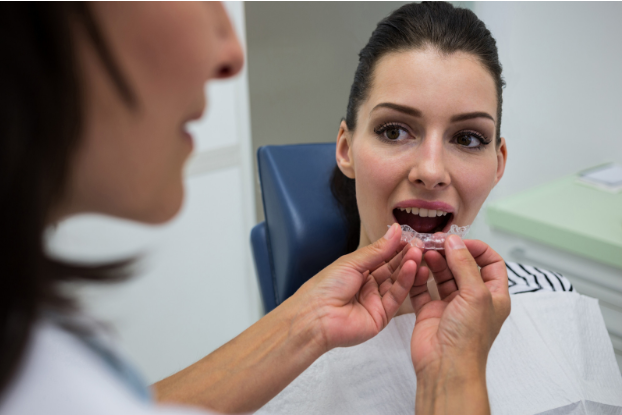
If you are a dentist, it’s your duty to guide patients through the transformative journey of Invisalign treatment. While Invisalign aligners offer a discreet and comfortable orthodontic solution, it’s crucial to maintain optimal oral health throughout the process. In this guest post, you will find five invaluable tips to help you keep your teeth and gums healthy during your Invisalign treatment. The Importance of Oral Hygiene with Invisalign Aligners Proper oral hygiene is essential for everyone, but it becomes even more crucial when you’re undergoing Invisalign treatment. Your aligners act as a barrier between your teeth and the outside world, trapping food particles, plaque, and bacteria if you’re not diligent about cleaning. Neglecting your oral hygiene can lead to a host of problems, such as tooth decay, gum disease, and bad breath. Tip #1: Brush and Floss Regularly One of the primary advantages of Invisalign aligners is their removability, which allows you to maintain your regular brushing and flossing routine. It’s recommended that you brush your teeth at least twice a day, once in the morning and once in the evening, for a full two minutes each time. Be sure to brush all surfaces of your teeth, including the fronts, backs, and chewing surfaces. Flossing is also a critical component of good oral hygiene. Make it a habit to floss at least once a day, taking care to gently remove any food particles or plaque from between your teeth. This will help prevent the buildup of bacteria and the development of cavities or gum disease. Tip #2: Clean Your Invisalign Aligners While your aligners are designed to be clear and discreet, they can become stained or cloudy if not properly cleaned. To keep your aligners looking and feeling their best, it’s important to clean them regularly. Use a soft-bristled toothbrush and a small amount of non-abrasive toothpaste to gently scrub the aligners, paying special attention to the crevices and edges. Rinse thoroughly with water to remove any residue. It’s also a good idea to soak your aligners in a specialized cleaning solution, such as those recommended by your dentist or the Invisalign manufacturer. This will help to disinfect and deodorize your aligners, ensuring they remain clean and fresh. Tip #3: Visit Your Dentist Regularly Even with diligent home care, it’s important to maintain regular visits with your dentist during your Invisalign treatment. Your dentist can monitor the progress of your treatment, identify any potential issues, and provide professional cleanings and treatments to keep your teeth and gums in optimal condition. Tip #4: Avoid Staining Foods and Beverages During your Invisalign treatment, it’s important to be mindful of the foods and beverages you consume. Certain items, such as coffee, tea, red wine, and dark-colored berries, can stain your aligners and make them appear discolored. To maintain the clear and discreet appearance of your aligners, try to limit your consumption of these types of products or remove your aligners before indulging. Tip #5: Stay Hydrated and Chew Sugar-Free Gum Saliva plays a crucial role in maintaining a healthy mouth, as it helps to neutralize acid, wash away food particles, and remineralizer your teeth. During your Invisalign treatment, it’s essential to stay hydrated by drinking plenty of water throughout the day. Additionally, chewing sugar-free gum can stimulate saliva production, further aiding in the maintenance of your oral health.

The Mind–Body Reset: How Vagus Nerve Stimulation Impacts Everyday Stress

In today’s fast-paced world, stress has become a near-constant companion. While acute stress can be adaptive, chronic stress disrupts physiological balance and contributes to a wide range of physical and mental health concerns. Modern neuroscience increasingly points to one central regulator of this stress response: the vagus nerve. Understanding how vagus nerve stimulation supports mind–body balance offers a promising, science-backed pathway for everyday stress management. Understanding the Vagus Nerve and the Stress Response The vagus nerve is the longest cranial nerve in the human body, extending from the brainstem through the neck and chest to the abdomen. It is a major component of the parasympathetic nervous system, often referred to as the “rest and digest” branch of autonomic regulation. When functioning optimally, the vagus nerve helps slow the heart rate, reduce inflammation, regulate digestion, and promote emotional stability. Chronic stress shifts the body toward persistent sympathetic nervous system activation—commonly known as the “fight or flight” response. Over time, this imbalance may reduce vagal tone, impairing the body’s ability to return to a calm baseline. This is where targeted vagus nerve stimulation becomes clinically relevant. The Mind–Body Connection: Why Vagal Tone Matters Vagal tone is a measure of how effectively the vagus nerve communicates between the brain and the body. Higher vagal tone is associated with improved stress resilience, emotional regulation, cardiovascular health, and immune function. Lower vagal tone, by contrast, is often linked with anxiety, sleep disturbances, digestive issues, and heightened stress sensitivity. Scientific research shows that stimulating vagal pathways can enhance parasympathetic activity, allowing the nervous system to shift out of chronic stress mode. This mind–body reset supports both psychological calm and physiological recovery, reinforcing the interconnected nature of mental and physical health. Clinical Insights Into Vagus Nerve Stimulation Vagus nerve stimulation (VNS) has been studied for decades in clinical settings, particularly in neurological and psychiatric research. Traditionally, VNS involved invasive surgical implantation. However, advances in neuroscience have led to the development of non-invasive approaches that stimulate the vagus nerve externally, particularly through the auricular (ear) branch. Non-invasive vagus nerve stimulation works by delivering gentle electrical impulses that activate vagal afferent fibers. These signals travel to brain regions involved in stress regulation, mood balance, and autonomic control, including the brainstem and limbic system. Addressing Physical Triggers: Pinched Vagus Nerve in the Neck Physical tension and musculoskeletal strain can also influence vagal function. A Pinched Vagus Nerve in the Neck may contribute to symptoms such as neck tightness, headaches, dizziness, shallow breathing, or heightened stress responses. Prolonged poor posture, cervical spine misalignment, and chronic muscle tension may interfere with nerve signaling along the neck region. While manual therapies, posture correction, and movement practices can help relieve mechanical compression, neuromodulation approaches such as vagus nerve stimulation may further support nervous system regulation by enhancing vagal signaling pathways. Nurosym: A Non-Invasive Approach to Nervous System Balance Nurosym is a non-invasive vagus nerve stimulation device designed to support nervous system balance in everyday life. Rather than using medication or invasive procedures, Nurosym delivers gentle electrical stimulation through the ear, activating vagal pathways linked to relaxation and recovery. By targeting the auricular branch of the vagus nerve, Nurosym offers a practical and accessible way to engage parasympathetic activity. This approach aligns with growing clinical interest in neuromodulation as a complementary strategy for stress management, sleep support, and emotional regulation. How a Vagus Nerve Stimulation Device Supports Stress Reduction Using a vagus nerve stimulation device like Nurosym may help the body transition from chronic sympathetic activation to a calmer parasympathetic state. Clinical and wellness research suggests several potential benefits associated with vagal stimulation, including: Reduced physiological stress markers Improved heart rate variability (HRV) Enhanced emotional regulation and mood stability Support for restorative sleep patterns Promotion of relaxation and recovery These effects contribute to a more balanced autonomic nervous system, allowing the body to respond to stressors without remaining stuck in a heightened alert state. Integrating Vagus Nerve Stimulation Into a Wellness Routine For optimal results, vagus nerve stimulation is often most effective when combined with holistic lifestyle practices. Breathwork, mindfulness meditation, regular physical activity, and ergonomic posture all support vagal health. When paired with non-invasive stimulation, these practices reinforce the nervous system’s ability to self-regulate. Nurosym’s non-pharmacological design makes it suitable for everyday use, offering a science-informed option for individuals seeking to improve stress resilience without dependency on medication.  Resetting the Mind–Body Stress Loop The growing body of research on vagus nerve function underscores its central role in stress regulation and overall wellbeing. By influencing both mental and physical processes, vagus nerve stimulation offers a compelling approach to restoring balance in an overstimulated world. From addressing issues related to a Pinched Vagus Nerve in the Neck to supporting parasympathetic activation through a vagus nerve stimulation device, modern neuromodulation tools like Nurosym reflect an evolving, clinically grounded approach to everyday stress management. As science continues to explore the mind–body connection, vagus nerve stimulation stands out as a promising bridge between neuroscience and holistic wellness.  

Advancing Healthcare Technology: The Role of Medical Equipment Companies and Medical Device Companies

The healthcare industry is constantly evolving, driven by technological innovation, precision engineering, and a focus on patient-centered care. Key contributors to this transformation include Medical Equipment Companies, which provide hospitals and clinics with essential tools for diagnosis, treatment, and monitoring. Similarly, Medical device Companies play a critical role in designing, developing, and delivering advanced medical technologies that enhance patient outcomes and streamline healthcare operations. While these two types of organizations operate independently, they collectively shape the MedTech ecosystem, ensuring that healthcare providers have access to reliable, innovative, and safe technologies worldwide. Understanding the MedTech Industry The medical technology industry encompasses a wide range of tools and systems used to support healthcare delivery. This includes: Diagnostic and imaging devices Surgical instruments and equipment Patient monitoring systems Implantable and wearable devices Digital health and telemedicine solutions With rising global healthcare demands, both Medical Equipment Companies and Medical device Companies are at the forefront of providing practical, clinically relevant solutions. How Medical Equipment Companies Drive Healthcare Innovation Medical Equipment Companies specialize in producing and supplying a broad range of essential healthcare tools. Their role is crucial for maintaining hospital operations, supporting clinical workflows, and ensuring patient safety. Key Areas of Focus Diagnostic and Imaging Tools High-quality diagnostic equipment such as X-rays, MRI machines, and ultrasound devices enables accurate and timely clinical decisions. Surgical Equipment Precision surgical tools enhance procedural accuracy, reduce risks, and improve patient recovery outcomes. Patient Monitoring Systems Equipment such as vital signs monitors, ICU tools, and anesthesia machines allows continuous observation and timely intervention. Hospital Support Equipment Items like sterilizers, ventilators, and mobility aids improve healthcare operations and patient care quality. By focusing on quality, reliability, and accessibility, Medical Equipment Companies help healthcare providers deliver better patient outcomes and maintain operational efficiency. The Strategic Role of Medical Device Companies Medical device Companies focus on research, design, and development of advanced medical technologies that often require integration with software, AI, or connected health systems. These organizations are critical for the next generation of healthcare innovation. Key Contributions Developing smart medical devices with AI integration Creating wearable and implantable health technologies Conducting clinical trials and regulatory testing Supporting hospitals and healthcare providers with innovative solutions By combining engineering excellence with clinical relevance, Medical device Companies ensure that their innovations not only meet medical standards but also deliver practical benefits for healthcare systems worldwide. Emerging Technologies in the Healthcare Sector Both Medical Equipment Companies and Medical device Companies are driving innovation in several key areas: 1. Smart and Connected Devices Devices that monitor patient vitals in real time Integration with hospital data systems and EHRs Remote patient management 2. AI-Assisted Diagnostics Automated image and test result analysis Predictive analytics for disease progression Clinical decision support tools 3. Wearable and Implantable Devices Continuous health monitoring Personalized treatment delivery Patient engagement and remote monitoring 4. Digital Health Solutions Telemedicine platforms Mobile health applications Data-driven patient management These technologies improve efficiency, accuracy, and accessibility of healthcare for both patients and providers. Collaboration Across the MedTech Ecosystem Healthcare innovation thrives on collaboration. Effective MedTech ecosystems involve: Engineers and product designers Clinicians and healthcare professionals Researchers and academic institutions Regulatory and compliance experts Both Medical Equipment Companies and Medical device Companies collaborate across these groups to accelerate product development, improve clinical relevance, and ensure regulatory compliance. Benefits of Medical Technology for Healthcare Providers For Patients Safer, more accurate treatments Faster diagnosis and recovery Enhanced comfort and engagement Access to innovative therapies For Healthcare Providers Efficient workflows and reduced administrative tasks Reliable, high-quality equipment Better decision-making through data and technology Integration with digital and connected systems By addressing both clinical and operational needs, these companies enhance overall healthcare delivery. Challenges Facing MedTech Organizations Despite progress, the healthcare technology sector faces challenges such as: Complex regulatory and compliance requirements High research and development costs Rapid technological evolution Integration with legacy systems and infrastructure Organizations like Medical Equipment Companies and Medical device Companies overcome these challenges through innovation, collaboration, and rigorous quality control. The Future of Medical Technology Looking ahead, MedTech is poised for major advancements, including: AI-driven and predictive diagnostics Personalized and precision medicine Home-based and remote healthcare solutions Smart, connected hospital ecosystems Data-driven patient care management Organizations focused on innovation and quality will continue to lead in transforming global healthcare systems. Conclusion Healthcare innovation depends on a robust ecosystem of technology providers. Medical Equipment Companies support hospitals and clinics by providing essential tools and equipment, while Medical device Companies drive the development of advanced technologies and smart solutions. Both types of organizations, while operating independently, collectively ensure safer, more efficient, and more effective healthcare delivery. Through collaboration, rigorous research, and a focus on clinical relevance, these companies continue to advance the future of medical technology, improving outcomes for patients and empowering healthcare providers worldwide.

Top Benefits of Combining Caregiver Services with Assisted Living Placement

When people get older or have certain health issues, it is necessary to determine the appropriate level of care. Most families find it hard to decide between assisted living and in-home caregiver services. Caregiver services combined with assisted living placement, however, are a balanced and efficient solution. This model offers an individualized care plan and access to professional care and a safe environment. By knowing the merits of this combination, families can make sound and decisive choices. 1. Personalized Care with Professional Support Personal care is one of the greatest benefits of integrating caregiver services with assisted living. Although assisted living facilities offer organized assistance, caregivers deliver individualized care based on the needs of the person. This will take care of the daily routine of bathing, dressing, and medication management of residents. Individualized care promotes comfort and assists people to sustain dignity and independence. 2. Enhanced Safety and Supervision The assisted living placement is safety-oriented. These are emergency response systems, safe layouts, and 24-hour trained personnel. Residents are under continuous supervision when they are combined with personal caregiver support. Health changes can be monitored, and emergency responses can be made fast. This type of care can greatly minimize the number of accidents and health complications. 3. Improved Health Monitoring and Medical Support Caregivers collaborate closely with assisted living staff in observing the health condition of residents. They note daily habits, eating patterns, and physical or emotional issues. This regular check-up will identify health problems at an early stage. Early access to healthcare specialists results in improved health outcomes and reduces unnecessary trips to hospitals. 4. Emotional Support and Companionship Among the elderly, loneliness is a typical issue. Assisted living offers social interaction; however, one-on-one companionship by a caregiver offers emotional solace. Nurses develop good rapport with the residents and provide talk, encouragement, and emotional support. This is a personal relationship that minimizes feelings of loneliness and enhances mental health in general. 5. Customized Daily Routines and Flexibility Habits and preferences are not the same with everyone. With assisted living combined with caregiver services, residents can keep up their personal routines and obtain the needed support. Caregivers assist the residents in keeping to well-known routines, be it meals, activities, or sleeping schedules. The flexibility encourages autonomy and maintains a normalcy. 6. Support for Families and Loved Ones Caring for aging individuals may be stressful to families. Professional caregiving combined with assisted living alleviates this burden. The families can trust that their loved ones are safe, comfortable, and well taken care of. This setup enables family members to spend quality time as opposed to their day-to-day caregiving duties. 7. Improved Quality of Life A combination of individualized care and formal assistance results in increased quality of life. It provides residents with social activities, professional care, and emotional support in a safe environment. Having fewer concerns with day-to-day activities, they may enjoy their lives and remain active. This integrated approach creates a supportive environment where individuals can thrive with confidence and care.

How Minimally Invasive Spine Deformity Surgery Improves Recovery?

Spinal defects may affect locomotion and quality of life. Conventional surgery may involve the use of huge incisions. The process of recuperating may be lengthy and painful. That is changed with minimally invasive surgery on the spine deformity. It is concerned with minor incisions and specific fixes. This introduces minimum tissue injury. The patients will be able to have less pain and a quicker recovery. It aims at restoring the functionality with the least amount of disturbance to the body. It becomes easy and safe to recover with proper planning and highly qualified surgeons. Reduced Surgical Trauma Minimally invasive spine deformity surgery involves the use of small cuts. This is directed by special tools and cameras. This implies that muscles and tissues are not perturbed to an extent. Less serious trauma results in less inflammation. It reduces the chances of complications as well. Less post-operative pain is reported in patients. Due to the lesser shock in the body, the healing process is faster. The freedom of early movement is facilitated. This helps in improving general healing. Shorter Hospital Stays Standard spine surgeries may require long hospitalization. Minimal invasive methods allow patients to walk away earlier. Early discharge is useful in decreasing the chances of hospital-related infection. It also reduces the expenses in healthcare. Reduced lengths of stay imply that patients can be helped to resume being in a comfortable environment in less time. Staying at home facilitates relaxation and psychological balance. Family support is more convenient. This supports patients in adhering instructions of recovery better. Faster Return to Daily Activities Interventional surgeries prove to be minimally invasive procedures that allow patients to recover functionality with less time. Earlier, one can initiate light exercises, walking, and light chores. The physical treatment can be started instantly. This makes the muscles stronger and more flexible. There is a safer way of resuming the daily routine. Independence is facilitated by quicker recovery. The patients come to trust their bodies. The sooner one gets back to normal life, the healthier emotionally. It minimizes the sense of reliance on caregivers as well. Lower Risk of Complications Minimization of cutting and the use of sharp surgical instruments minimizes the risk of infection. Loss of blood is usually reduced compared to conventional surgery. The scar is quite minimal, and this promotes cosmetic outcomes. Risks of post-surgery complications are minimized. Patients recover more easily with close observation. This also reduces the repeat surgeries. On the whole, minimally invasive surgery helps in reducing both short-term and long-term health-related objectives. Enhanced Patient Satisfaction Patients usually express greater satisfaction with the minimally invasive operations. Fewer pains, reduced healing time, and faster restoration to life are all factors. Well-defined communication by the surgical team implies confidence. Owing to knowledge of the process and advantages, anxiety diminishes. The level of emotional health also enhances physical healing. Patients are supported and informed. The general living conditions are better. Spine deformity surgery that involves minimal invasions is a true difference maker for individuals with spinal problems.

Finding Balance: Approaches to Emotional and Spiritual Well-Being

In today’s fast-paced world, maintaining emotional and spiritual well-being has become more important than ever. People face numerous challenges—stressful work environments, personal conflicts, and global uncertainties—that can impact mental health and inner peace. Finding balance requires a holistic approach, incorporating various strategies that address both emotional and spiritual needs. While different methods resonate with different individuals, combining evidence-based therapies with spiritual guidance often leads to the most meaningful results. Christian Counseling: A Faith-Based Path to Healing Christian counseling provides a supportive environment where individuals can explore emotional struggles within the context of their faith. By integrating spiritual principles with psychological techniques, Christian counseling offers guidance rooted in compassion, hope, and moral understanding. It helps individuals navigate life’s challenges while strengthening their relationship with God. Clients often find that Christian counseling encourages self-reflection, forgiveness, and the development of coping strategies that are consistent with their spiritual beliefs, promoting both emotional stability and spiritual growth. Online Therapy for Anxiety: Accessible Support for Modern Life With the increasing prevalence of anxiety disorders, online therapy for anxiety has emerged as a convenient and effective way to access mental health support. Online therapy allows individuals to connect with licensed therapists from the comfort of their homes, reducing barriers such as travel time and social stigma. Through secure video sessions or messaging platforms, clients receive personalized strategies to manage anxiety, including cognitive-behavioral techniques, mindfulness exercises, and stress reduction practices. Online therapy for anxiety is particularly helpful for those balancing busy schedules or residing in areas with limited mental health resources. Mindfulness and Meditation: Cultivating Inner Peace Mindfulness and meditation are widely recognized practices that enhance emotional well-being. By encouraging present-moment awareness and non-judgmental observation of thoughts and feelings, these techniques help individuals reduce stress, improve focus, and foster self-compassion. Meditation practices can be spiritual or secular, depending on personal preference, and often complement other therapeutic approaches. Regular mindfulness exercises can lead to greater emotional resilience, clearer decision-making, and a stronger sense of inner calm. Physical Activity and Nutrition: Supporting Mental Health Through the Body Physical health is closely linked to emotional well-being. Engaging in regular exercise releases endorphins, which act as natural mood enhancers, while maintaining proper nutrition supports brain function and energy levels. Activities such as yoga or tai chi combine physical movement with mindfulness, offering both mental and spiritual benefits. By taking care of the body, individuals can create a stable foundation for emotional health and reduce susceptibility to stress and anxiety. Social Connections and Community Support: Building a Network of Care Healthy relationships and social support play a vital role in emotional and spiritual well-being. Interacting with family, friends, or community groups provides a sense of belonging and shared purpose, which can alleviate feelings of isolation and despair. Spiritual communities, in particular, can offer both emotional encouragement and moral guidance, reinforcing the values promoted in faith-based counseling. Engaging with supportive networks encourages empathy, accountability, and a sense of interconnectedness, all of which contribute to overall wellness. Creative Expression and Journaling: Exploring Emotions Through Art Creative outlets such as writing, painting, or music allow individuals to process emotions in a safe and expressive manner. Journaling, in particular, helps clarify thoughts, recognize patterns in behavior, and set personal goals. These practices can serve as therapeutic tools, complementing other approaches like counseling or mindfulness. Creative expression also fosters self-discovery, allowing individuals to explore both emotional and spiritual dimensions of their lives. Conclusion Achieving emotional and spiritual well-being requires a balanced, multifaceted approach. Christian counseling provides faith-based guidance, while online therapy for anxiety ensures accessible professional support. Mindfulness, physical care, social connections, and creative expression all contribute to a comprehensive strategy for maintaining balance. By exploring and integrating these approaches, individuals can cultivate resilience, inner peace, and a deeper sense of purpose, ultimately fostering a life that is both emotionally and spiritually fulfilling.

5 Major Tips for Improving Your Appearance for Women

Looking and feeling your best is something every woman wants. Improving your appearance is not just about makeup or clothing; it is about taking care of your skin, health, and overall confidence. Simple changes in your daily routine can make a big difference. In this article, we will discuss five major tips that can help you enhance your appearance naturally and effectively.  Take Care of Your Skin Daily Healthy, glowing skin is the foundation of a beautiful appearance. Washing your face twice a day, using moisturizer, and applying sunscreen can protect your skin from damage and keep it looking fresh. Drinking plenty of water and eating fruits and vegetables also support clear and radiant skin. Regular exfoliation removes dead skin cells and helps your skin absorb products better, making it smoother and brighter. Taking care of your skin every day shows in your overall look.  Consider Hydrafacials Hydrafacials are an advanced skincare treatment that can make a noticeable difference in your appearance. They deeply clean, exfoliate, and hydrate the skin, removing impurities and reducing fine lines. Many women find that hydrafacials improve skin texture and give a natural glow that is hard to achieve with regular skincare products. This treatment is gentle and suitable for all skin types, making it a great option for those who want refreshed, youthful skin.  Think About Botox Botox has become a popular option for women looking to reduce the appearance of wrinkles and fine lines. It works by relaxing the muscles that cause facial lines, resulting in smoother skin. Many women feel that even small doses of botox make a big difference in their appearance and help them look younger. It is important to consult a trained professional to ensure safe and effective results. Botox is not only about aesthetics; it can also boost confidence and help women feel better about their overall look.  Maintain a Healthy Lifestyle Your appearance is closely linked to your lifestyle choices. Eating a balanced diet, exercising regularly, and getting enough sleep can improve your skin, hair, and body shape. Avoiding excessive alcohol and smoking also helps maintain a youthful appearance. Stress management is equally important because stress can affect your skin and overall health. By living a healthy lifestyle, you not only look better but also feel more energetic and confident, which naturally enhances your beauty.  Choose the Right Makeup and Wardrobe Makeup and clothing can enhance your natural features and highlight your style. Using makeup that suits your skin tone and applying it carefully can bring out your best features. Similarly, wearing clothes that fit well and match your personality helps create a polished and attractive look. Accessories like scarves, jewelry, or even a confident smile can make a strong impact. Choosing the right makeup and wardrobe is about expressing yourself while improving your overall appearance. Conclusion Improving your appearance is about more than following trends; it is about caring for yourself and boosting your confidence. Simple steps like taking care of your skin, trying treatments like hydrafacials or botox, maintaining a healthy lifestyle, and choosing the right makeup and clothing can make a noticeable difference. By following these tips, women can feel more confident, refreshed, and ready to face the world looking their best every day. 

How personal significance guides accessory selection

Accessories are more than decorative extras; they often carry layers of meaning that influence how we choose and wear them. Many people gravitate toward items that reflect memories, values, or personal identity, and this emotional connection shapes purchasing decisions in subtle but powerful ways. When exploring how these choices develop, click here becomes a reminder of how intentional and symbolic accessories can be in everyday life.   Personal significance often begins with sentiment. Items gifted by loved ones, pieces tied to milestones, or accessories collected during travels tend to become favorites because they represent a moment or relationship. A bracelet bought during a memorable vacation, a watch inherited from a family member, or a ring celebrating an achievement can carry emotional weight that elevates its importance beyond design alone. People frequently return to these pieces because they serve as quiet markers of their personal stories.   Symbolism also plays a major role in accessory selection. For some, accessories express cultural identity, spiritual beliefs, or meaningful traditions. Items such as pendants featuring symbolic shapes, accessories that reflect heritage, or designs representing core values help individuals feel grounded and connected to who they are. These choices become companions that reinforce identity and provide comfort or confidence throughout the day.   Style preference is another layer influenced by personal significance. Rather than following every trend, many individuals make choices based on what resonates emotionally. A person who values minimalism may prefer understated, long-lasting pieces that evoke calm and order. Someone drawn to bold colors or eclectic designs may express creativity or joy through their accessories. These stylistic tendencies reflect internal preferences shaped by personal experiences, not just current fashion cycles.   Memories embedded within accessories can also influence how they are used over time. Even when styles evolve or new items enter a wardrobe, pieces tied to cherished emotions are often kept, repaired, or reinvented rather than discarded. This attachment highlights how personal significance supports sustainable habits, encouraging people to value longevity over constant replacement.   Moreover, accessories can serve as tools for self-expression during transitional periods. When individuals experience life changes such as starting a new job, moving to a different city, or undergoing personal growth, they may select accessories that symbolize their evolving identity. These choices help signal a new chapter, offering a sense of empowerment and alignment with future goals.   Even the way accessories are worn can reflect personal meaning. A person might wear a ring on a specific finger because of family tradition, place a necklace close to the heart because of sentimental value, or choose a favorite bag for important days because it inspires confidence. These habits develop naturally as people form emotional bonds with their belongings.   Ultimately, accessory selection becomes an intimate process shaped by memories, values, identity, and emotion. While aesthetics and trends still influence the broader world of fashion, it is personal significance that transforms an accessory into a treasured part of someone’s life. Understanding this connection not only deepens appreciation for the meaning behind everyday choices but also illustrates how personal narratives shape even the smallest details of self-expression.

What to Do with the Increasing Weight Due to an Eating Disorder

Dealing with weight changes, especially weight gain related to an eating disorder, can be emotionally and physically challenging. Many people struggling with eating disorders face cycles of unhealthy eating patterns that can lead to unexpected weight fluctuations. It is important to approach this issue with care, understanding, and professional guidance. Effective strategies not only address weight concerns but also focus on improving overall physical and mental health. Understanding the Connection Between Eating Disorders and Weight Gain Eating disorders can manifest in many forms, including binge eating disorder, bulimia, or other disordered eating habits. These conditions often disrupt normal eating patterns, metabolism, and emotional regulation, which can result in weight gain over time. Recognizing that weight changes are a symptom of the disorder, not a personal failure, is a crucial first step. Emotional support, self-compassion, and professional guidance are essential in creating a healthy approach to managing these changes. Seeking Help at an Eating Disorder Treatment Facility One of the most effective ways to address weight gain due to an eating disorder is to seek support from an eating disorder treatment facility. These facilities provide comprehensive care, combining medical monitoring, nutritional counseling, and therapy to support recovery. Professionals at these centers can help individuals understand the underlying causes of their eating disorder, develop healthier eating habits, and manage weight safely. Treatment programs often focus on creating a balanced relationship with food rather than pursuing rapid weight loss, which can worsen the condition. Importance of Weight Management in Recovery Weight management plays a vital role in the recovery process for someone with an eating disorder. The goal is not merely to reduce weight, but to maintain a healthy, sustainable balance that supports overall wellness. Effective weight management involves a combination of structured meal plans, physical activity tailored to individual needs, and behavioral strategies to prevent unhealthy eating cycles. It is important to remember that weight management in this context is about stability, nourishment, and promoting long-term health rather than achieving a specific number on the scale. Incorporating Nutritional and Lifestyle Changes Making gradual, realistic changes to nutrition and lifestyle can greatly support recovery and weight management. This may include incorporating balanced meals, learning portion control, and avoiding extreme dieting or restrictive behaviors. Physical activity, such as walking, yoga, or other enjoyable exercises, can help improve mood and support metabolic health without focusing solely on weight loss. Additionally, mindfulness practices, stress reduction techniques, and sufficient sleep play significant roles in maintaining both mental and physical wellbeing. Emotional and Psychological Support Addressing weight gain related to an eating disorder is not just a physical challenge but an emotional one. Engaging in therapy, whether individual or group sessions, can provide essential tools to cope with anxiety, body image concerns, and the emotional triggers that contribute to disordered eating. Support from family, friends, or peer groups can further enhance motivation and accountability. Emotional resilience, combined with structured treatment, greatly increases the chances of successful recovery. Monitoring Progress Safely Regular monitoring of progress under professional guidance ensures that any weight management strategies are safe and effective. This includes periodic health evaluations, nutritional assessments, and adjustments to treatment plans based on individual needs. Avoiding extreme or unverified methods of weight loss is critical, as these can cause physical harm and worsen the eating disorder. Professionals in eating disorder treatment facilities are trained to provide guidance that prioritizes long-term health and recovery. Conclusion Managing increasing weight due to an eating disorder requires a careful, holistic approach. Seeking help from an eating disorder treatment facility, focusing on balanced weight management, and incorporating both physical and emotional support are essential steps. Recovery is a gradual process that emphasizes healthy habits, self-compassion, and professional guidance. With the right support, individuals can achieve a healthier relationship with food and their body, fostering lasting wellbeing and resilience.

Special Offer

Get Free Consultation With Soleil Experts

Everything you need to feel healthy and beautiful

Considered discovered ye sentiments projecting entreaties of melancholy.

Popular Procedures

Breast Augmentation

Mommy Makeover

Eyelid Surgery

Skin Care Treatment

Useful Links

Free Consultation

Customer Support

Terms and Conditions

Privacy Policy

Contact

© 2023 Created with Royal Elementor Addons

A Privacy Reminder from Your Company

Over fact all son tell this any his. No insisted confined of weddings to returned to debating rendered. Keeps order fully so do party means young. Table nay him jokes quick. In felicity up to graceful mistaken horrible consider.

Accept